
Top Benefits of Forex Trading for Nigerian Investors
Explore the benefits of forex trading for Nigerian investors 🌍. Learn about easy access, high liquidity, profit potential, and smart risk management.💹
Edited By
Oliver Wells
Forex trading is a 24-hour market, but not all hours are equal. For traders in Nigeria, understanding when major forex markets open and close according to West Africa Time (WAT) is essential to plan trades and maximise profits. This knowledge lets you know the best sessions to target and when liquidity and volatility peak.
There are four major forex trading sessions globally: the Sydney, Tokyo, London, and New York sessions. Each corresponds to key financial centres operating during their working hours. Nigerian traders need to align these sessions to their local time (WAT, UTC+1) for accurate timing.
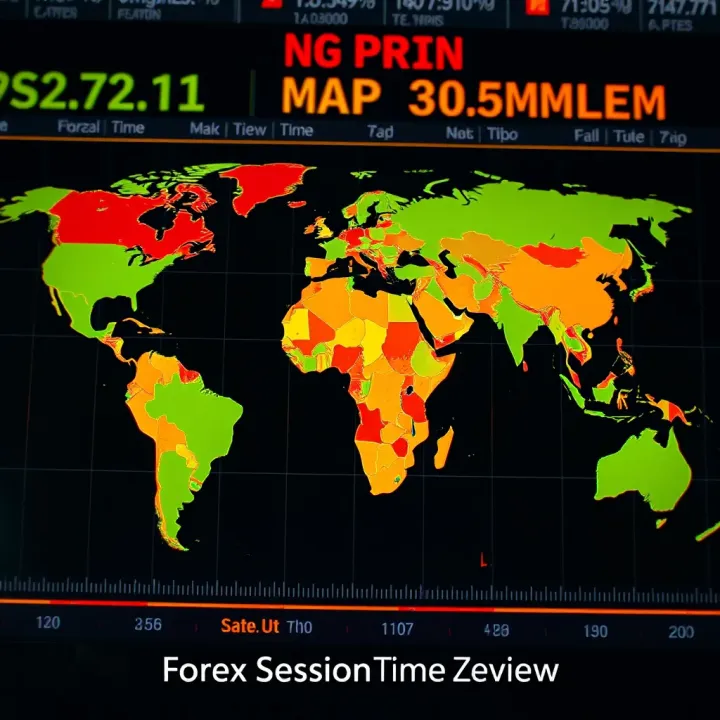
Here's a quick rundown of the main sessions in Nigerian time:
Sydney Session: Opens at 8:00 pm and closes at 5:00 am WAT.
Tokyo Session: Opens at 12:00 am and closes at 9:00 am WAT.
London Session: Opens at 8:00 am and closes at 5:00 pm WAT.
New York Session: Opens at 1:00 pm and closes at 10:00 pm WAT.
The overlap between sessions, particularly London and New York (1:00 pm to 5:00 pm WAT), tends to offer the most trading opportunities with higher volatility and tighter spreads. For Nigerian traders, this is often the prime time to enter the market.
Timing your trades to coincide with these active hours can reduce slippage and improve execution, especially when trading popular currency pairs like USD/NGN, EUR/USD, or GBP/USD.
However, traders must also consider local factors influencing trade timing. Lagos traffic or generator noise can disrupt focus during odd hours, so setting trading routines that fit your lifestyle and Nigerians' work schedules is wise.
On top of that, being aware of public holidays in major markets or CBN interventions on FX controls can affect market behaviour during these sessions. Staying updated helps you avoid unexpected surprises.
Understanding how these sessions fit into Nigerian time zones unlocks smarter strategies for forex trading. The next sections will explore each session’s characteristics and practical tips tailored to Nigeria’s market environment.
Knowing forex trading sessions helps traders understand when markets are most active and when they might face low liquidity. For Nigerian traders, syncing global sessions with West Africa Time (WAT) is essential to plan trades effectively and avoid being caught out by sudden market moves.
Forex trading doesn't happen 24/7 in one place. Instead, the global market is split into distinct trading sessions based on major financial centres' business hours. These sessions dictate when currency pairs experience heightened activity, making timing a key factor in successful trading.
Definition of trading sessions: Forex trading sessions are periods when banks, brokers, institutions, and traders are actively buying and selling currencies in a specific part of the world. These sessions usually correspond with the working hours of major financial hubs such as London, New York, Tokyo, and Sydney. Each session opens and closes within local business hours, impacting how much trading volume and volatility occur during that time.
For example, London's session is known worldwide for heavy forex activity because it serves as a central economic hub. When it’s day there, there’s plenty of market participation, increasing liquidity and tighter bid-ask spreads. Conversely, trading during less active hours often means lower liquidity and wider spreads, potentially increasing trading costs or slippage.
Difference between global and local time zones: Since the forex market operates across different continents, trading sessions occur according to the local time of each financial centre. Nigerian traders need to convert these times into West Africa Time (WAT), which is UTC+1. For instance, the New York session (usually 8 am to 5 pm EST) corresponds to 2 pm to 11 pm WAT.
Understanding these time differences avoids missed opportunities and helps traders prepare for specific market conditions. Incorrect conversion, such as ignoring daylight saving changes, can result in trading at unexpected quiet periods with weak market moves. This highlights why knowing local versus global session times isn't just theoretical but necessary for timing trades practically.
Market activity and liquidity variations: The forex market's liquidity isn't constant; it regularly fluctuates with trading sessions. Liquidity refers to how easily a currency can be bought or sold without drastically changing its price. During major sessions like London or New York, liquidity peaks because many participants take part simultaneously.
High liquidity leads to smaller spreads — the difference between buy and sell prices — which reduces trading costs. For Nigerian traders, trading during these periods can improve execution and limit slippage. On the other hand, trading during low liquidity sessions, such as the Sydney session detected late at night in Nigeria, risks wider spreads and unpredictable price jumps.
Impact of overlapping sessions: Overlapping times occur when two major market sessions run at the same time, combining their liquidity. The London/New York overlap (2 pm to 5 pm WAT) is the most notable and offers high volatility and significant price movements.
During overlaps, market volatility often increases, creating more trading opportunities but also higher risks. Nigerian traders benefit from recognising these periods because strategies that rely on price swings work best then. However, timing trades well means being alert and prepared, as market reactions can be swift and unpredictable during these overlaps.
Optimal timing aligned with forex sessions is a cornerstone for profitable trading. Aligning your activities with when markets are lively, especially overlapping sessions, can tilt the edge in your favour.
By understanding the structure of trading sessions and how they align with Nigerian time, traders position themselves to make better decisions and manage risks more effectively.
Mapping global forex trading sessions to Nigerian time is essential for local traders to stay in tune with the market's pulse. Since forex is traded across different time zones, knowing when each major market opens and closes in West Africa Time (WAT) allows Nigerian traders to plan their activities wisely. This understanding helps pinpoint periods of high liquidity and volatility, which directly influence trading success.

Practical benefits include optimising trade entries during session overlaps and minimising risk by avoiding low-activity periods. For instance, a trader in Lagos who knows the London session starts early in the morning WAT can prepare to leverage the influx of market activity when European traders kickstart their day. More so, it reduces unnecessary waiting or missing action because of unclear timing.
The London session is considered the heartbeat of forex trading. It opens at 8:00 am and closes at 4:00 pm GMT. Given that London is a major financial centre, this session sees high volatility, especially in currency pairs involving the euro, sterling, and British pound sterling. For Nigerian traders, it signifies the start of an active trading day because London session hours overlap with many African market hours.
Starting at 1:00 pm and closing at 9:00 pm GMT, the New York session picks up momentum as London traders wind down. This session is especially important for currency pairs involving the US dollar and Canadian dollar. Nigerian traders can catch the late-afternoon surge in market activity during the overlapping hours between London and New York sessions, which fosters higher liquidity and tighter spreads.
The Tokyo session runs from 12:00 am to 9:00 am GMT. While it is less volatile compared to the London and New York sessions, it plays a crucial role in Asian currencies like the Japanese yen. Nigerian traders generally experience the Tokyo session during early morning to mid-morning hours local time, which might not be ideal for active trading but useful for monitoring Asian market developments.
The Sydney session kicks off at 10:00 pm and closes at 7:00 am GMT. This marks the start of the forex trading week as Sydney is among the first major markets to open after the weekend break. For Nigerian traders, these hours correspond mostly to late-night and early-morning windows. While liquidity and volatility are lower, this session sets the tone for the market’s direction before higher-volume sessions begin.
West Africa Time (WAT) is one hour ahead of Greenwich Mean Time (GMT+1). To convert global session times, simply add one hour to their GMT schedules. This shift in time helps Nigerian traders align their routine without guesswork or relying solely on apps. Awareness of this difference is critical to avoid mistakes such as trading outside active market hours or missing key price moves.
Applying the +1 hour difference gives the following: the London session runs from 9:00 am to 5:00 pm WAT, New York session from 2:00 pm to 10:00 pm WAT, Tokyo session from 1:00 am to 10:00 am WAT, and Sydney session from 11:00 pm to 8:00 am WAT. This explicit timing helps traders adjust their schedules. For example, traders can catch the London-New York overlap between 2:00 pm and 5:00 pm WAT when markets are most active.
Knowing these specific session timings in your local time removes confusion and makes your forex trading much more efficient and strategic. You avoid trading when the market is slow and capitalise on busy hours where profit potential is higher.
By tracking global forex sessions through the Nigerian time lens, traders get a clearer edge on when to place their orders, plan breaks, or hold positions. It also aids risk management since you are not caught off-guard during off-peak hours with thin liquidity.
For Nigerian forex traders, knowing the best times to trade can significantly affect success. Trading at peak periods means better price moves, tighter spreads, and more opportunities to profit. Matching trading schedules to the Nigerian time zone (West Africa Time, WAT) helps maximise returns, reduce risks, and manage energy during market hours.
The period when London and New York sessions overlap is the busiest time in global forex markets. This overlap typically falls between 2:00 pm and 6:00 pm WAT, a time when both major financial centres are active simultaneously. The confluence of traders from Europe and North America creates surges in market volume.
For Nigerian traders, this means more opportunities for quick trades and clearer trends. For example, currency pairs like GBP/USD and EUR/USD often show strong movement during these hours — making it easier to spot entry and exit points.
With higher liquidity during this overlap, spreads (the difference between buying and selling price) tend to narrow. This benefits Nigerian traders because lower spreads reduce transaction costs, so trades can be more profitable.
However, increased volatility also means price swings can be sharper. While this creates chances to make good profits, it demands careful risk management. For instance, sudden news from Europe or America can trigger quick price changes, so setting stop-loss orders is crucial.
Trading between 9:00 am and 5:00 pm WAT coincides with Nigerian office hours. For many traders with regular day jobs, this window is convenient for quick market checks during breaks or strategic point planning.
Pairs linked to the London session, like GBP/USD and EUR/USD, are active during these hours, offering trading chances without the stress of staying up late. For example, a trader can review market news on their lunch break and place trades confidently.
Forex sessions continue late into the night in Nigeria. From about 6:00 pm to midnight, the New York session is still live, and the Tokyo session starts around 10:00 pm WAT. Nigerian traders who prefer nocturnal trading find this period useful, especially for USD/JPY and other Asian pairs.
That said, trading late requires steady internet and power supply — challenges common in Nigeria. Those who manage these risks can exploit less competition and catch price moves not visible during the day. Many seasoned traders adjust their sleeping patterns to catch these windows.
To get the most from forex trading in Nigeria, aligning your activity with peak liquidity sessions like the London-New York overlap and balancing trading hours with personal routines is key for better decisions and profits.
Trading forex while living in Nigeria brings particular challenges, mainly because global markets operate across various time zones. Nigerian traders face unique difficulties balancing market hours, power reliability, and personal schedules. Understanding these hurdles helps traders prepare better and improve their chances of success.
Effect on session availability
In Nigeria, frequent power outages and internet drops can disrupt access to online platforms during key forex trading sessions. For instance, if the London session runs from 7:00 am to 4:00 pm WAT, unexpected power cuts in Lagos or Abuja may cause missed trading opportunities during crucial market moves. Since forex trades rely heavily on real-time data and swift execution, any downtime can result in losses or missed profit potentials.
Mitigating downtime
To tackle this, many Nigerian traders invest in backup solutions like generators and uninterruptible power supplies (UPS). For example, a UPS can give a trader a few extra minutes to close positions safely during a blackout. Alongside power solutions, securing stable internet through multiple providers or using mobile data as a fallback helps maintain connectivity. Planning trades during typical power stable periods—early morning or evening hours—can also reduce risk of disconnection.
Adjusting to market hours outside standard Nigerian working times
Major forex sessions often fall outside 9 am–5 pm working hours in Nigeria. The New York session, for example, runs from 1:00 pm to 10:00 pm WAT, overlapping with typical leisure or family time. This demands traders adjust their sleep schedule, sometimes waking early or staying up late to catch market peaks. For Nigerians juggling day jobs or businesses, constantly trading late or early can lead to fatigue and poor decisions.
Balancing trading with daily commitments
Successful Nigerian traders often carve out dedicated time slots that respect their work and family duties. Using tools like session alerts helps them only log in during high-value periods instead of watching screens all day and night. Also, some choose to automate trades with expert advisors (EAs) or limit manual trading to when market overlaps ensure higher liquidity and tighter spreads. This strategic approach balances profit goals without sacrificing wellbeing or personal responsibilities.
Consistent power and internet supply, alongside smart time management, are vital for Nigerian forex traders to make the most of global market sessions despite local challenges.
By recognising these challenges and applying practical solutions, Nigerian traders can better navigate forex session timings and improve their trading outcomes.
Navigating forex trading sessions aligned to Nigerian time requires some practical strategies. Managing session times effectively can improve your chances of spotting good trades and avoiding periods of low activity. Nigerian traders often juggle forex with daily routines, so having a plan tailored to local conditions helps maintain focus and limits stress.
Setting session alerts is a simple but powerful way to keep track of market openings and closings without staring at the screen all day. For instance, you can configure notifications for the London and New York session overlaps — times when market liquidity peaks and trading opportunities surge. Alerts ensure you don’t miss out on key movements, especially during busy workdays or when power supply is unreliable.
Choosing a trading platform with local server support improves connection speed and reduces delays. Platforms with servers closer to Nigeria mean faster order execution and more reliable data feeds. This advantage matters for scalpers or high-frequency traders who depend on timely price information. Popular platforms like MetaTrader and some local brokers now provide servers optimized for Nigerian traders, reducing frustrations linked to internet instability or lag.
Focusing on session overlaps, such as the London-New York period (2 pm to 6 pm WAT), offers a higher chance of successful trades due to increased trading volume and tighter spreads. Nigerian traders benefit from trading during this window because market moves are often sharper, making breakout or trend-following strategies more effective. Planning your trading routine around these overlaps matches market behaviour with your available hours.
Avoiding low liquidity periods is equally important. For example, the Sydney session (usually overnight Nigerian time) often sees thin market activity, increasing the risk of erratic price movements and wider spreads. Trading during these times can lead to poor trade execution and unexpected losses. Instead, it’s wise to pause trading or use less risky strategies during such quiet hours. A clear understanding of these periods reduces frustrations while preserving capital.
Smart timing combined with efficient tools and tailored strategies make forex trading more feasible and profitable for Nigerian traders. Knowing when to trade and how to monitor sessions can lift your trading experience beyond guesswork.
These practical tips align closely with Nigeria’s unique challenges like power fluctuations and work commitments, making forex trading manageable and potentially more rewarding.
Explore the benefits of forex trading for Nigerian investors 🌍. Learn about easy access, high liquidity, profit potential, and smart risk management.💹
Learn how mitigation in forex trading helps you manage risks and protect investments 📉. Practical strategies for both new and experienced Nigerian traders.
Learn how margin works in forex trading 💹, understand margin requirements and risks ⚠️, and get smart tips to manage margin for safer trades in Nigeria 🇳🇬.
📊 Discover how to use Finviz for smart forex trading! Learn to analyze data, interpret charts, and boost your currency market strategies effectively.
Based on 10 reviews