
Asian Forex Trading Hours Explained for Nigeria
📈 Learn how Nigeria’s time aligns with the Asian forex session, explore key trading strategies, currency behaviour, and top tips for success in FX markets.
Edited By
Ethan Collins
Forex trading operates around the clock, driven by major financial centres across the world. For Nigerian traders, understanding the effect of global trading hours and time zones is necessary to catch the best market moves and avoid being stuck trading during low liquidity periods.
Nigeria lies in the West Africa Time (WAT) zone, which is UTC +1 hour. This means there’s often a time gap between Nigerian local time and key forex market sessions in London, New York, Tokyo, and Sydney, which are the pivotal hubs that determine currency flow.
The forex market is divided into four major sessions:
Sydney session: roughly 10:00 pm to 7:00 am WAT
Tokyo session: about 12:00 am to 9:00 am WAT
London session: 8:00 am to 5:00 pm WAT
New York session: 1:00 pm to 10:00 pm WAT
Each session brings different activity levels and volatility. The London session, overlapping with New York in the afternoon, typically sees the highest volume, offering Nigerian traders the best chance for sharp price movements and ample trading opportunities.
Timing is key: Matching your trading schedule with active market sessions can help you avoid periods of low liquidity and reduce risks associated with erratic price spikes.
A practical example is a Lagos-based trader who wants to trade EUR/USD. The trader should note EUR/USD liquidity peaks during the London and New York sessions, roughly 8:00 am to 10:00 pm WAT. Trading outside these windows may expose the trader to lower volume and wider spreads.
By staying aware of these timings, Nigerian traders can structure their daily activities to align with market hours that suit their trading style and risk appetite. This becomes particularly useful when combining technical strategies with fundamental news releases that often occur during London and New York hours.
Overall, syncing local time with global forex trading sessions sets the foundation for more disciplined and profitable trading in Nigeria.
Understanding how forex trading sessions operate worldwide is key for Nigerian traders aiming to make informed decisions. These sessions mark the active hours of major financial centres when currency markets exhibit particular behaviours. Knowing when these markets open and close allows traders to plan entry and exit points more effectively, avoid low-liquidity periods, and anticipate price movements.
The New York session runs roughly from 1 pm to 10 pm Nigerian time. It represents a crucial phase as the second largest forex trading centre, right after London. This session often introduces volatility, especially when paired with the London market's closing hours. Nigerian traders watch this session closely due to the influence of US economic data releases and Federal Reserve announcements, which can cause quick currency swings.
Operating from about 8 am to 5 pm Nigerian time, the London session is considered the most liquid forex market in the world. Many major currency pairs see their highest trading volumes during these hours. This session overlaps with both the Tokyo and New York markets, creating opportunities for amplified market activity and tighter spreads. Nigerian traders benefit from this period as their local time aligns conveniently with active trading hours.
The Tokyo session runs from approximately 3 am to 12 noon Nigerian time. It marks the start of the Asian trading day and is particularly significant for trading yen and other Asian currencies like the yen and the Australian dollar. Although liquidity is lower compared to London and New York, this session can still present good opportunities, especially during the early overlap with London.
The Sydney session is the smallest by volume and runs from about 1 am to 10 am Nigerian time. It mainly serves as a prelude to the Asian session and can influence markets in quieter moments. While less volatile, its significance lies in setting the tone for the Asian trading day. Nigerian traders often use this session for longer-term strategies or preparation.
Volatility varies greatly between sessions. The London session generally has the highest price swings, due to heavy institutional participation and volume. On the other hand, the Sydney session is typically calmer, making it less attractive for short-term traders but useful for those looking to avoid wild price fluctuations. Understanding these patterns helps Nigerian traders decide when to be more aggressive or cautious.
Liquidity, the ease with which trades are executed without affecting price, peaks during session overlaps. For instance, when London and New York sessions coincide, the market experiences a surge in liquidity. Low liquidity periods, such as during the Sydney session, result in wider spreads, adding to trading costs. Nigerian traders, therefore, gain by focusing on high-liquidity times to reduce costs and improve execution.
Overlap periods are the windows when two sessions operate simultaneously, combining their market participants and increasing activity. The London-New York overlap, running roughly from 1 pm to 5 pm Nigerian time, is the most active and offers the best trading opportunities with high volumes and narrower spreads. Another overlap, between Tokyo and London, occurs early morning Nigerian time but is less intense. These periods can be especially volatile, so Nigerian traders should stay alert during these hours to capitalise on fast moves.
Knowing these global forex sessions and their characteristics equips Nigerian traders with the necessary edge to manage risk, choose optimal trading windows, and align their strategies with market rhythms. It is not just about timing but about using session traits to one’s advantage.
In summary, being aware of how these individual sessions function and interact gives Nigerian traders a solid foundation to plan their market activity smartly.
Understanding how global forex market hours translate into Nigerian local time is vital for traders in Nigeria. Forex operates 24 hours through overlapping sessions in different parts of the world, but knowing exactly when these sessions open and close in West Africa Time (WAT) helps traders plan their activities efficiently. This knowledge improves decision-making and timing, which are crucial for capitalising on market volatility and liquidity.
For practical purposes, Nigerian traders must align their trading schedules with these sessions. For example, failing to account for time differences could mean missing out on the London-New York overlap, which represents some of the most active and volatile trading hours. Mapping these trading hours to Nigerian time reduces guesswork and enables precise entry and exit points, especially in a market where every second counts.
Nigeria operates on West Africa Time (WAT), which is one hour ahead of Greenwich Mean Time (GMT+1) and Coordinated Universal Time (UTC+1). This fixed offset means Nigeria sits comfortably close to major European markets’ time zones, especially London, facilitating easier time coordination compared to countries multiple hours away.
For Nigerian traders, WAT's stability aligns well with the forex market’s timing since it avoids complex conversions daily when markets open and close. It simplifies the process of adjusting schedules around peak trading hours, especially during periods overlapping with European sessions.
Many countries where major forex centers exist use daylight saving time (DST), moving their clocks forward or backward by one hour depending on the season. For instance, London switches from GMT to BST (British Summer Time, GMT+1) in summer months, while New York shifts from EST (Eastern Standard Time) to EDT (Eastern Daylight Time).
Nigerian traders need to understand these seasonal changes because the difference between Nigerian time and these markets shifts, impacting the exact timing of session openings and closings. For example, during British Summer Time, the London session starts an hour earlier in Nigerian time, changing the trading window.
Unlike many countries, Nigeria does not observe daylight saving time. The country maintains WAT (UTC+1) throughout the year, with no clock changes during any season. This consistency means Nigerian traders face less confusion internally but must adapt their schedules seasonally based on how foreign markets shift.
The absence of DST internally means that when London or New York adjust their time seasonally, Nigerian traders must recalibrate their clocks accordingly. Awareness of this ensures traders remain aligned with market sessions without missing crucial trading hours.
The London forex session generally runs from 8 am to 4 pm GMT, which translates to 9 am to 5 pm Nigerian local time during standard time. However, when London switches to BST (usually from late March to late October), the session shifts to 10 am to 6 pm WAT.
This shift means traders in Nigeria have a slightly later start for the London session during BST months. Since the London market accounts for a significant portion of daily forex volume, understanding this is key to capitalising on high liquidity and volatility periods.
The New York session operates roughly between 1 pm and 10 pm GMT, equating to 2 pm to 11 pm WAT during standard time and 1 pm to 10 pm WAT when daylight saving is active in the US (EDT).
The New York session is particularly important because it overlaps with the London session for several hours, creating peak trading opportunities. Nigerian traders who factor in this crossover get better access to tighter spreads and greater market movement.
Asian sessions like Tokyo and Sydney operate during Nigerian night hours. Tokyo's session typically runs from 12 am to 9 am WAT, while Sydney’s market opens earlier around 10 pm to 7 am WAT.
Even though these sessions occur at less convenient hours for Nigerian traders, understanding their schedules helps in planning overnight trades or preparing for market openings. These sessions often set the tone for market direction prior to European and American sessions starting.
Aligning forex session hours to Nigeria’s time is not just about convenience—it directly impacts trading success. A trader who comprehends these conversions can better align strategy, improve timing on trades, and avoid costly mistakes borne of time mix-ups.
Key points for Nigerian traders:
Nigeria stays on WAT (UTC+1) year-round with no DST.
London and New York sessions’ times change seasonally due to DST abroad.
Asian sessions occur overnight and require adjusted schedules.
Mapping forex market hours to Nigerian time is foundational knowledge that helps you, as a trader, stay sharp and in sync with global market moves.
Timing matters a lot in forex trading, especially for Nigerian traders. Knowing the best periods to trade is key to maximising profits and reducing risks. This knowledge helps you catch moments when markets are active and liquid, meaning tighter spreads and better price movements. For instance, trading during quiet hours can lead to slippage or erratic price swings, which isn’t ideal if you are relying on consistent patterns.
The London-New York overlap happens roughly between 2 pm and 5 pm Nigerian time. This window is where the two biggest forex centres operate simultaneously, creating the highest trading volumes. The result is increased liquidity and tighter spreads, making it easier to enter and exit trades swiftly. For example, currency pairs like GBP/USD and USD/EUR become quite active, often showing pronounced price movements.
This overlap is particularly helpful for Nigerian traders who want to experience robust market action during regular afternoon hours without staying up late. You can expect better execution and more opportunities for short-term trading strategies such as scalping or day trading.
The London session starts around 8 am Nigerian time and runs until approximately 4 pm. The morning hours, between 8 am and 11 am, typically see heightened activity as European traders react to overnight news and data releases. It's a prime period for markets like EUR/USD and GBP/USD where volatility tends to be quite lively yet less frenzied than during the overlap.
For Nigerian traders fitting trading around their daily routine, the London morning session allows for thoughtful analysis and potentially steadier trades. It's also when many significant economic announcements from Europe occur, influencing market sentiment sharply.
Mondays normally open a little quieter than other days as forex markets catch up after the weekend lull. Nigerian traders should approach initial Monday hours with caution, as liquidity tends to be lower and spreads wider. Markets can be prone to sudden jumps due to weekend news being absorbed.
Fridays, especially towards the end of the London-New York overlap, often experience thinning volumes as traders close positions ahead of the weekend. Volatility might spike during the last hour but generally, expect more unpredictable price swings. Adapting your trading style to these patterns—perhaps tightening stop losses or reducing position sizes—helps manage risks.
Major economic releases such as US Non-Farm Payrolls (NFP), Central Bank of Nigeria (CBN) announcements, or European Central Bank (ECB) interest rate decisions can cause sharp market reactions. Nigerian traders should be alert to scheduled event times as these often fall during active trading sessions.
These events can lead to sudden spikes in volatility and liquidity, creating both opportunities and risks. For example, the release of the US NFP data at 1:30 pm Nigerian time often triggers rapid movements in USD pairs. Being well-informed exactly when these events occur allows you to prepare appropriately—whether to trade aggressively or step back and wait.
Successful forex trading in Nigeria involves understanding when markets are most active and aligning that with your personal schedule and strategy. Being aware of overlaps, session behaviour, and economic events keeps you ahead of common pitfalls.
Remember that consistent profits come from not just picking the right trades but also trading at the right times.
Trading forex from Nigeria often means dealing with the limitations imposed by time zone differences. These challenges can affect decision-making, profitability, and risk management, especially when major forex markets like New York or Tokyo operate outside Nigerian standard hours. Understanding these issues helps traders plan and adjust strategies effectively.
Liquidity usually falls significantly outside the core hours of major forex sessions. For Nigeria, this means when markets like London or New York are closed, trading volume can drop, leading to wider spreads—the difference between buying and selling prices. Wider spreads increase transaction costs and make it difficult for traders to enter or exit positions at favourable prices. For example, trying to trade EUR/USD at midnight Nigerian time when both London and New York markets are closed often results in less favourable prices and increased slippage.
Lower liquidity during off-hours can cause sudden price swings, making markets more volatile. While higher volatility may offer profit chances, it also raises risk levels, especially for less experienced traders. Unexpected economic news or geopolitical events that occur outside regular trading hours may lead to sharp moves. For instance, a late-night announcement from the US Federal Reserve can jump-start exuberant price actions when the New York session is about to open, catching traders off guard.
Most Nigerian traders juggle forex trading alongside their daytime jobs or businesses. Since peak trading hours for major sessions often overlap with typical working hours (e.g., London session from 9 am to 5 pm Nigerian time), managing this overlap is tricky. Some traders may miss key market openings or have less time to analyse charts, leading to missed opportunities. Allocating specific slots for market observation during lunch breaks or early mornings can help maintain a practical balance.
Modern trading platforms allow setting alarms for session openings, price levels, or specific events, helping traders stay informed without active monitoring. Automated trading tools like Expert Advisors (EAs) or bots can execute trades based on predefined criteria, removing the need to watch the screen continuously. A Nigerian trader could set an alert to signal the London-New York overlap, known for high liquidity and volatility, maximising potential profits while managing time effectively. Using such technologies reduces the strain caused by time zone gaps and daily commitments.
Nigerian forex traders who actively manage these time zone challenges often gain better control over their trades and minimise unnecessary losses, which is vital in a market where timing is everything.
By understanding these hurdles and implementing practical solutions, Nigerian traders can improve their performance despite the time zone challenges inherent in forex trading.
Managing forex trading hours effectively is vital for Nigerian traders because the global market operates across multiple time zones that do not always align with local routines. By mastering practical time zone management, traders can avoid mistimed trades, reduce risks, and capitalise on optimal market activity periods. This section highlights actionable methods to help traders stay sharp and make informed decisions despite time differences.
Many online trading platforms now include tools that automatically convert major forex session times to the trader’s local time zone. For Nigerian traders, apps like MetaTrader 4, MetaTrader 5, and dedicated forex market clocks show session start and end times in West Africa Time (WAT). This means you don't have to calculate London or New York trading windows manually every day. For example, when the New York session opens at 8:00 am EST, your app will display that as 2:00 pm WAT, preventing confusion during busy trading days.
Using such apps simplifies monitoring overlapping sessions, where market liquidity is highest. This ensures you catch the key windows without missing out due to time miscalculations or distractions. Remember to update your app regularly, as daylight saving changes abroad impact these conversions.
Another practical tip is setting alerts for when major forex sessions open and close in Nigerian time. This could be through phone alarms, calendar reminders, or trading platform notifications. For instance, setting an alarm at 2:00 pm WAT signals the start of the New York session, prompting you to prepare your trading strategy.
Alarms help especially when you balance trading with work or social commitments, ensuring you don’t miss significant market moves. Automated reminders can prevent overtrading during quiet hours and optimise focus during peak periods. This approach also reduces fatigue by structuring your trading day around precise market timing rather than guessing or reacting late.
Focusing your trades around periods of high volatility and liquidity boosts the chance of profitable moves. In Nigeria, the best window is the overlap of the London and New York sessions, roughly 2:00 pm to 5:00 pm WAT. During this time, the market tends to show tighter spreads and more predictable price action.
By aligning your trading routine with these peak hours, you trade when the market is most active, maximising opportunities and reducing slippage risks. For example, a trader in Lagos might schedule analysis and live trading sessions during this overlap, avoiding early morning or late-night trading that usually has low activity.
Conversely, steering clear of low-liquidity periods prevents losses from wider spreads and unpredictable movements. The Asian session, especially late at night in Nigerian time (around 1:00 am to 4:00 am WAT), often sees reduced trading volumes affecting many currency pairs.
Avoiding these hours, unless trading specifically Asia-based pairs, keeps your risk in check. Additionally, midweek quiet times, such as Thursdays or Fridays at certain hours, might also bear careful observation before trading. This improves your trade execution quality and preserves capital for more favourable periods.
Staying aware of forex trading hours and efficiently managing them with technology and strategy can significantly increase your edge in the market. Nigerian traders who integrate these practical tips often experience smoother trading days with better timing on entries and exits.
By using tools that translate global market hours to local time and setting reminders, you stay informed and ready. Coupled with well-timed trading strategies focusing on liquidity peaks and avoiding low-activity phases, you can optimise profits while minimising risks from forex market time zone challenges.
📈 Learn how Nigeria’s time aligns with the Asian forex session, explore key trading strategies, currency behaviour, and top tips for success in FX markets.
📈 Learn to trade forex online confidently! Discover practical tips, smart strategies, and the right platforms to start trading ₦ successfully in Nigeria today.
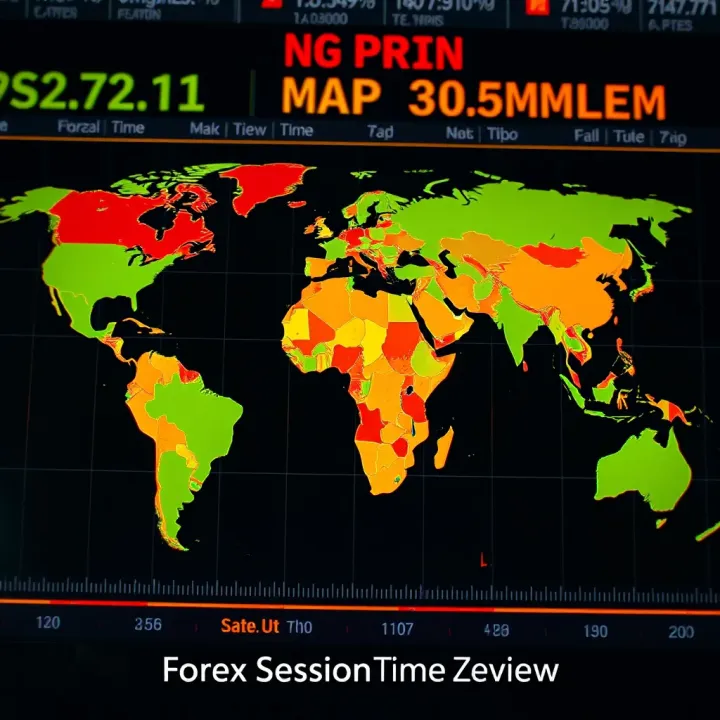
📈 Know forex trading sessions in Nigerian time (WAT) to trade smartly. Learn peak hours, market opens and closes for Lagos-based traders. Maximise your gains! 🇳🇬
Discover exact New York trading session hours in Nigeria ⏰, how daylight saving affects timing 🕰️, and tips to optimize your forex trades from Lagos to Abuja 🌍💹.
Based on 8 reviews