
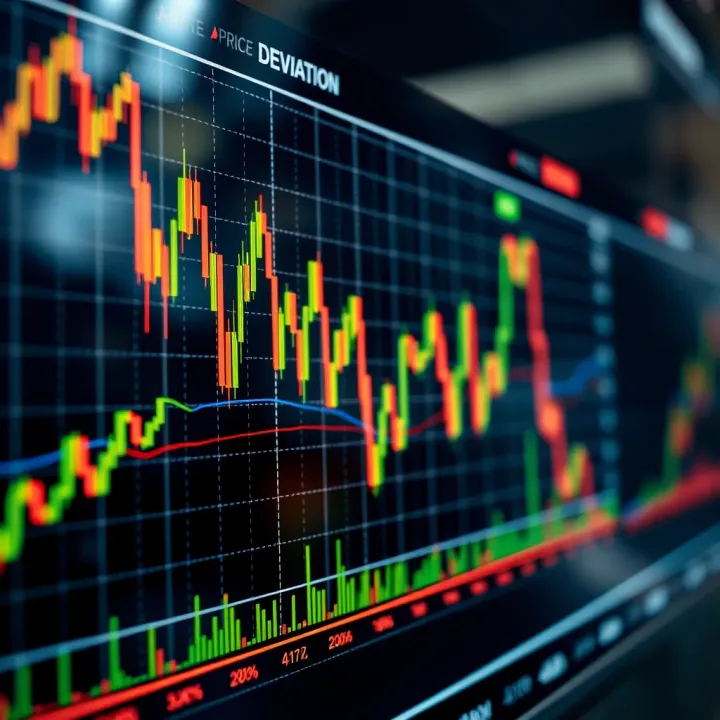
Understanding Deviation in Forex Trading
📉 Discover how deviation impacts forex trading in Nigeria. Learn to spot causes, manage risks, and improve your trade execution for better results.
Edited By
Emily Carter
Forex trading online has become increasingly popular among Nigerians seeking to diversify income sources and invest beyond traditional markets. Essentially, forex (foreign exchange) involves the buying and selling of currencies, where traders try to profit from fluctuating exchange rates. The online space has made this activity accessible from anywhere in Nigeria, without physically visiting banks or forex bureaus.
The forex market operates 24 hours a day, five days a week, opening opportunities to trade at your convenience, whether you're in Lagos or Jos. Unlike stocks traded on the Nigerian Exchange (NGX), the forex market is highly liquid, with daily turnover exceeding US$6 trillion globally. That means you can enter and exit positions quickly, which suits active traders.
Starting to trade forex online involves choosing a reliable trading platform (or broker). Popular platforms like MetaTrader 4 (MT4), MetaTrader 5 (MT5), and broker services such as Alpari, FXTM, or local options like EGM Securities provide an interface where you can execute trades and analyse market trends. It’s crucial to pick a broker regulated by reputable authorities like the Securities and Exchange Commission (SEC) Nigeria or international bodies to avoid scams.
To succeed, you need a sound strategy and risk management skills. For example, many Nigerian traders use technical analysis tools on MT4 to identify price patterns and set stop-loss orders to limit losses. Unlike gambling, forex trading requires discipline and an understanding of factors affecting currency pairs, like geopolitical events or Nigeria’s economic indicators.
Remember, forex trading is not a get-rich-quick scheme. Many lose money by rushing in without proper knowledge or realistic goals.
Key things to consider before you begin:
Understand key currency pairs relevant to Nigeria, such as USD/NGN and EUR/USD
Start with a demo account to practise without risking real money
Learn about leverage, which can amplify both profit and loss
Be wary of platforms promising guaranteed returns or pressure tactics
With the right approach, forex trading online can be a practical addition to your investment toolkit. This guide will walk you through the nuts and bolts of getting started, strategies that suit Nigerian realities, legal considerations, and tips to manage your investments wisely.
Online forex trading offers Nigerians a chance to access the vast global currency markets without leaving home. Forex, or foreign exchange, is where currencies are bought and sold, and it's the world's largest financial market by daily trading volume. For Nigerian traders, understanding the basics of forex trading is the first step towards making informed decisions and potentially generating income from currency fluctuations.
Grasping forex trading online is vital because it shapes how you interact with real money markets, avoid scams, and make use of tools tailored for the Nigerian context. Practical knowledge about currency pairs, exchange rates, and trading platforms sets the foundation for successful trading.
Forex trading involves exchanging one currency for another, aiming to profit from changes in their relative values. For example, you might buy the US dollar against the Nigerian naira if you expect the dollar to strengthen. The forex market operates 24 hours a day, spanning various financial hubs like London, New York, Tokyo, and Sydney, allowing continuous trading.
Unlike stock markets, forex is decentralised and primarily an over-the-counter (OTC) market, meaning trades happen directly between parties via electronic platforms. This structure means prices can slightly vary depending on your broker, but generally, the market is very efficient.
Major currencies include the US dollar (USD), Euro (EUR), British pound (GBP), Japanese yen (JPY), and Swiss franc (CHF). Traders often focus on the most liquid pairs like EUR/USD, GBP/USD, and USD/JPY. For Nigerians, key currency pairs like USD/NGN reflect the local trading environment because the naira is affected by domestic economic policies and foreign exchange controls.
Currency pairs always list the base currency first, followed by the quote currency. If you buy EUR/USD, you're buying euros and selling dollars. Understanding these pairs helps you predict which currency is likely to strengthen or weaken.
Exchange rates depend on supply and demand factors in both global and local economies. Events like changes in CBN interest rates, political stability, and import-export balances influence the naira’s value against other currencies.
For example, if Nigeria’s oil revenues fall, demand for the naira might drop, causing the naira to weaken against the dollar. Traders monitor economic indicators and news to predict these shifts and position their trades accordingly.
Online forex platforms provide instant access to live market prices, real-time charts, and trading tools. You can execute trades within seconds, manage orders, and use automated features like stop-loss to control risk. Platforms like MetaTrader 4/5 and proprietary apps from Nigerian brokers offer user-friendly interfaces suited for both beginners and seasoned traders.
The convenience means you don’t depend on physical broker offices or phone calls. Plus, you get access to educational materials, market news, and demo accounts for practice.
Internet penetration and smartphone use in Nigeria have increased steadily, making online trading accessible to many. You can start trading from your living room or even an okada ride, as long as you have data and a decent device.
Payment methods have adapted too – many brokers now support ₦ deposits and local bank transfers, reducing barriers. However, Nigerians must be mindful of currency controls and only use brokers registered with relevant Nigerian authorities.
The forex market's high liquidity means you can quickly enter or exit trades without significant price shifts. Since it operates 24 hours on weekdays, you can trade when Nigerian markets are closed. This flexibility accommodates various schedules, whether you trade around your day job or focus during peak session hours like London or New York openings.
Understanding these basics equips Nigerian traders to navigate forex confidently, taking advantage of a global market from their local context.
Setting up properly is foundational for Nigerians who want to trade forex online effectively. It involves picking the right broker, understanding documentation requirements, and choosing a trading platform that fits your needs. Without these basics, you risk losing money to scams, delays, or poor trading experiences. For example, using an unregulated broker can lead to sudden account freezes or blocked withdrawals, which several Nigerians have unfortunately encountered recently.
When selecting a broker, pay close attention to features relevant to Nigerian users. These include local currency support, ease of deposit and withdrawal, and customer service availability during Nigerian business hours. A broker offering naira deposits via local banks or popular e-wallets like Paystack or Flutterwave makes funding your account smoother. Also, check whether the broker provides access to widely traded currency pairs including USD/NGN, EUR/USD, and GBP/USD.
Regulation is key for safety. Look for brokers regulated by recognised bodies such as the Financial Conduct Authority (FCA) or the Nigerian Securities and Exchange Commission (SEC). Research online reviews and avoid brokers flagged for misleading claims or delayed payouts. For instance, brokers regulated by SEC Nigeria comply with local rules, which gives traders more confidence. Remember, rogue brokers operate without proper licences and may disappear with client funds.
Choose brokers that support Nigerian payment methods. This includes bank transfers through GTBank, Zenith Bank, or Access Bank, and mobile payments via OPay or PalmPay. Smooth withdrawals avoid the headache of getting stuck funds. Some brokers also accept cards (Visa/MasterCard), which is convenient but may incur fees. Before trading in real-time, test the deposit-withdrawal process to spot any restrictions or excessive charges.
Opening an account usually takes just a few minutes but requires correct documents. Most brokers have easy online forms that ask for personal and financial details. Choosing the correct account type matters — some offer demo accounts for practice, while live accounts let you trade real money. For Nigerians serious about forex, a live trading account is the goal after gaining experience.
Nigerian brokers and many international ones now require valid identification such as your National Identification Number (NIN) or Bank Verification Number (BVN). These help prevent identity theft and comply with government regulations. For example, linking BVN to your trading account adds a layer of security and fulfills Know Your Customer (KYC) policies.
Know Your Customer (KYC) and Anti-Money Laundering (AML) rules mean you must provide proofs of identity and sometimes address. This might include a recent utility bill or driver’s licence alongside your passport or NIN. These checks protect you by keeping fraudsters out, and ensure your broker operates above board. Nigerian banks and brokers take this seriously to avoid sanctions from regulatory agencies.
The choice of trading platform shapes your trading experience. MetaTrader 4 (MT4) and MetaTrader 5 (MT5) dominate the market, offering robust charting, technical indicators, and automated strategies (Expert Advisors). Some brokers provide proprietary platforms too, tailored for beginners or mobile users. Nigerian traders should choose a platform that supports Nigerian currency pairs and integrates well with local payment methods.
Decide whether you prefer trading on desktop or mobile. Desktop platforms usually offer advanced charting and faster execution, suitable for traders who study markets deeply. Mobile apps from brokers or MT4/MT5 allow trading on the go, ideal for those commuting in Lagos traffic or whenever sitting at an okada isn’t possible. Most trading platforms sync between devices, so you don’t miss a beat.
Look for platforms that include price alerts, real-time news feeds, multiple order types (market, limit, stop), and easy chart customisation. Tools like economic calendars and risk calculators help manage trades smarter. For Nigerians, ensuring the platform runs smoothly despite common power or internet interruptions is crucial. Platforms with offline functionality or quick reconnection help prevent trading losses during these moments.
Setting up your forex trading right from the start can save you money, time, and frustration. Choose a credible broker with Nigerian-friendly features, have your documentation ready for KYC compliance, and pick a trading platform that fits your style and local realities. This foundation will position you well to grow your forex portfolio sustainably.
Forex trading requires more than guessing the next move of currency prices — effective strategies help you make informed decisions and manage risk properly. For Nigerian traders, adopting proven trading strategies can improve your chances of success and protect your capital against the market's ups and downs.
Fundamental analysis involves examining economic data and news to predict currency movements. Indicators like Nigeria's inflation rate, GDP growth, unemployment figures, and trade balances directly influence the naira's strength. For example, a poor inflation report may weaken the naira against the dollar, presenting a selling opportunity.
Keeping an eye on global news—such as changes in crude oil prices, which affect Nigeria’s export earnings—also matters since oil is a major driver for the naira. This information helps you anticipate market trends beyond technical charts.
The naira's exchange rate is a critical factor for Nigerian forex traders. Fluctuations affect your trade profitability and how you manage risk. For instance, a sudden naira depreciation could increase the cost of imported goods but potentially boost exporters' earnings, influencing naira pairs like USD/NGN directly.
Understanding these movements not only guides when to enter or exit trades but also helps you choose currency pairs wisely. Many Nigerian traders focus on USD/NGN or EUR/USD pairs as the naira’s behaviour affects them differently.
Policies by the Central Bank of Nigeria (CBN) have significant effects on forex markets. Interest rate changes, foreign exchange interventions, and regulatory announcements often shift market sentiment. For example, a hike in the Monetary Policy Rate (MPR) could strengthen the naira by attracting foreign investment.
Staying informed about CBN decisions allows you to react quickly—for instance, closing positions before expected announcements to avoid volatility or capitalising on post-policy trends.
Technical analysis studies price charts to identify patterns that predict future movements. Nigerian traders often rely on candlestick charts, trend lines, and formations like head and shoulders or double bottoms. Recognising these patterns helps you anticipate market direction with a degree of confidence.
For example, spotting a bullish engulfing pattern in the USD/NGN chart might signal a short-term uptrend, prompting you to consider buying.
Traders use indicators such as Moving Averages (MA), Relative Strength Index (RSI), and Bollinger Bands to refine entry and exit points. An MA crossover—as when the 50-day MA crosses above the 200-day MA—often suggests a shift in trend.
RSI indicates overbought or oversold conditions. In Nigeria, where market data can be irregular, combining indicators provides an added layer of certainty before acting.
Applying these tools to currency pairs helps you identify profitable trades. For example, analysing the EUR/USD pair using an MA crossover combined with RSI can confirm a signal to buy or sell.
In Nigeria, currency pairs involving the naira need particular attention to local events affecting exchange rates, so combining technical with fundamental analysis often gives a fuller picture.
Stop-loss orders limit your losses by automatically closing a trade at a preset level, while take-profit locks in gains at targets. Using stop-loss is vital in Nigeria’s volatile forex environment to prevent large unexpected losses from sudden market swings.
For example, if you buy USD/NGN at ₦415 and set a stop-loss at ₦410, your maximum loss is controlled. Likewise, setting take-profit ensures you secure gains before possible reversals.
Position sizing means choosing how much to trade based on your account size and risk tolerance. Nigerian traders often get tempted by high leverage, but this magnifies losses as well as gains.
Start with small positions relative to your total capital and use leverage cautiously. For instance, risking 1–2% of your trading capital on a single trade helps survive losing streaks.
Emotions like fear and greed can cloud judgement, leading to reckless trades or chasing losses. Overtrading, or excessive trading to recover losses, depletes capital quickly.
Discipline is key—stick to your trading plan, and avoid impulsive decisions. Taking breaks after losses and maintaining a clear mindset ensures better focus on the market rather than feelings.
Successful forex trading blends analysis with solid risk controls. Nigerian traders who master these strategies tend to navigate market unpredictability more confidently and sustain profitability long term.
This section equips you with a realistic framework for trading forex online effectively in Nigeria, emphasising practical applications suited to local market conditions and currency realities.
Understanding the legal and regulatory environment surrounding forex trading in Nigeria is vital to safeguard your investments and trade confidently. This knowledge helps you avoid pitfalls like scams or unlicensed brokers, which remain common in the market. Plus, it ensures you comply with national guidelines, protecting you from legal trouble and possible financial loss.
The Securities and Exchange Commission (SEC) Nigeria serves as the main regulatory body overseeing financial markets, including forex trading activities. Its role is to licence and monitor brokers to ensure transparency, fair dealings, and protection against malpractice. For you as a trader, choosing an SEC-registered broker means dealing with an entity that meets minimum standards and follows set rules to protect investors.
SEC’s oversight is especially helpful in identifying firms that carry out fraudulent practices or fail to meet capital requirements. While SEC primarily regulates capital market activities, its increasing vigilance over forex brokers safeguards Nigerian traders from unscrupulous operators.
The Central Bank of Nigeria (CBN) regulates aspects of forex trading that directly affect the country’s currency and monetary policies. CBN guidelines set the framework for forex usage, especially in cross-border transactions and access to foreign exchange. Traders must understand that CBN policies impact the availability and pricing of foreign currencies like the US dollar or euro.
For instance, the CBN’s control over foreign exchange access means brokers must operate within certain boundaries. Adhering to CBN rules is crucial for smooth fund transfers in and out of Nigeria. Ignoring these guidelines can lead to freezing of accounts or restrictions that may disrupt trading activities.
Engaging with unregulated brokers carries serious risks. These firms often operate without transparency, may manipulate prices, or delay withdrawals. Many fall short on financial security, leaving clients vulnerable to losing their funds altogether.
A common red flag is brokers offering unrealistic returns or demanding large deposits upfront with little explanatory disclosure. Without proper regulation, there's limited recourse when disputes arise, so it’s wise to steer clear of these players. Always verify regulatory status and choose brokers with clear licensing and positive user reviews.
Forex scams remain rampant, especially over social media, messaging apps, and WhatsApp groups. These often promise guaranteed profits with little or no risk, appealing to beginner traders eager to multiply their money quickly. Others mimic legitimate brokers by cloning websites or impersonating customer service agents to steal login details.
Nigerian traders are targeted because of the country’s growing interest in forex but limited widespread regulation enforcement. Falling for such scams can cost you not only your deposit but also your personal information.
Be alert to offers that sound too good to be true, like guaranteed daily profits or secret trading strategies. Also, watch out for pressure tactics demanding quick decisions or upfront payments before opening an account.
Legitimate brokers provide clear, detailed information about risks, fees, and terms. They do not block withdrawal requests or ask for additional payments except officially stated ones. Always check online reviews, seek advice from experienced traders, and verify broker details with regulatory bodies before committing.
If you suspect fraud or malpractice, report promptly to SEC Nigeria or CBN. They handle complaints and can warn others about dubious operators. Additionally, you can notify consumer protection agencies or lodge complaints with the police's cybercrime unit.
Keeping clear records of all transactions, communication, and agreements can strengthen your case. While recovery of lost funds isn’t guaranteed, reporting helps build evidence that may lead to sanctions against offenders and protect future investors.
Staying informed about Nigeria’s forex regulatory scene isn’t just a formality—it’s your frontline defence against loss and fraud. Regularly check updates from SEC and CBN to trade safely and successfully.
By factoring these legal and regulatory insights into your trading plans, you position yourself well to navigate the Nigerian forex market with resilience and confidence.
Taking practical steps to begin trading forex and steadily growing your portfolio is vital for Nigerians aiming to succeed in this highly competitive market. It’s not just about knowing the theory but applying proven methods that help you build confidence, manage risks, and learn from real experience. This section breaks down the journey into manageable stages, ensuring you don’t rush into live trading without proper preparation.
Using a demo account lets you practise trading without putting your money at risk. Many Nigerian traders overlook this step and dive straight into live accounts, only to face avoidable losses. Demo trading helps you understand how orders work, try out strategies, and familiarise yourself with the trading platform. For instance, if you trade the USD/NGN pair, practising with live market data on a demo account allows you to get a feel for price movements influenced by naira’s volatility.
To get the most from a demo account, treat it like real trading. Set daily goals, record your trades, and review your mistakes. Don’t fall into the trap of reckless trading just because it’s “not real.” Instead, simulate decision-making and risk management as you would when real money is involved. This way, your brain builds the right habits, which are crucial when you move to live trading.
Funding your live trading account with ₦ involves picking a safe, convenient payment method that suits your preference—such as bank transfers, card payments, or Nigerian-focused fintech solutions like Paystack or Flutterwave. Most brokers accepting Nigerian clients understand local payment systems, but always confirm their withdrawal policies to avoid delays or charges. Start with an amount you can afford to lose; for many Nigerians, starting around ₦50,000 to ₦100,000 is realistic.
Your first trades matter more than just the potential profit—they set the tone for emotional discipline. Expect some losses initially; forex trading isn’t a quick money scheme. Keep track of every trade to understand why you won or lost. This practice prepares you psychologically for the realities of the market.
Maintaining clear records is essential, especially for tax purposes and personal performance review. Nigeria’s Federal Inland Revenue Service (FIRS) requires income reporting, and having spreadsheets or trading journals helps. Plus, reviewing your trades allows spotting patterns and refining strategies, which most successful traders from Lagos to Abuja do severally.
Forex trading demands constant learning because currency markets respond quickly to global and local events. Staying updated on CBN policies, international trends, and geopolitical news is non-negotiable—otherwise, you risk being blindsided. Regularly reading market reports from sources like BusinessDay or TechCabal helps keep you sharp.
Schedule weekly or monthly reviews of your trading results. Ask yourself what worked and what didn’t, and be honest. This reflective practice builds real growth over time.
Finally, be ready to adjust your trading strategies as the market changes. For example, naira’s exchange rate can sharply shift due to foreign exchange policies or crude oil prices. Adapting tactics to these developments will keep your portfolio resilient, ensuring you don’t stick to outdated methods that might stop working.
Practical steps from demo trading up to live market action create a solid foundation for consistent gains in forex trading. Without these, chances of loss increase and learning slows down.
By following these stages diligently, Nigerian traders can grow their forex portfolios confidently and sustainably.
📉 Discover how deviation impacts forex trading in Nigeria. Learn to spot causes, manage risks, and improve your trade execution for better results.
Discover how to pick the best online trading platform in Nigeria 📊. Learn key features, compare top sites, and trade securely with confidence ✅.
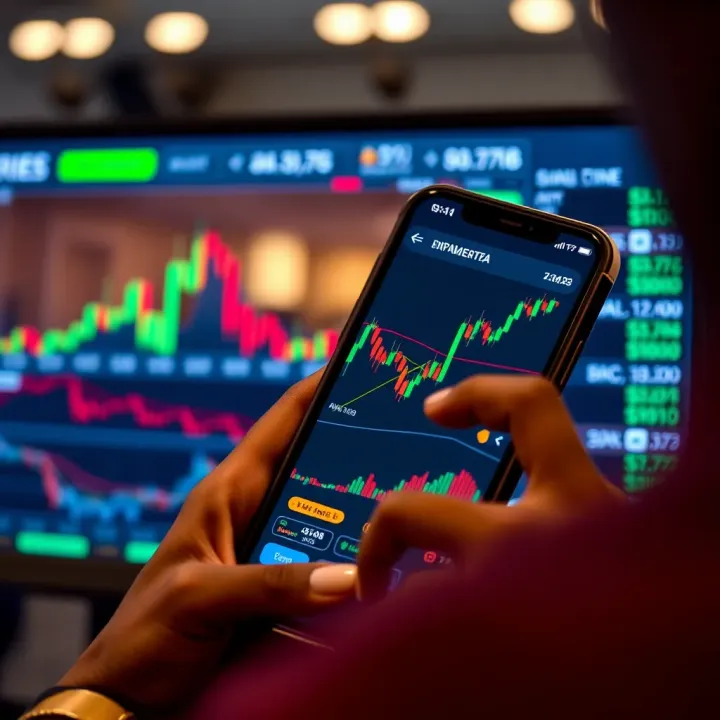
Discover how to pick the best online trading app for Nigerian investors 📱. Learn about features, safety, user experience, and regulations to trade smart.
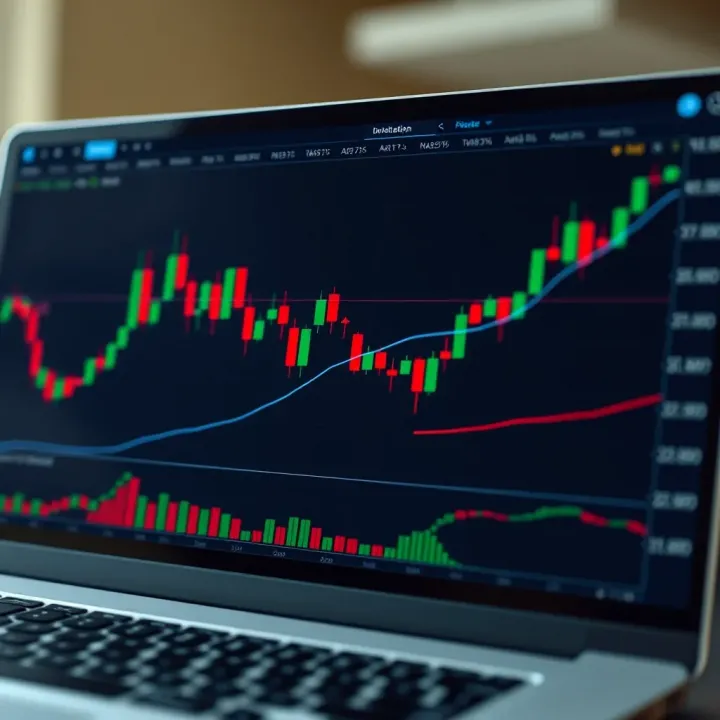
Learn how mitigation in forex trading helps you manage risks and protect investments 📉. Practical strategies for both new and experienced Nigerian traders.
Based on 8 reviews