
How to Fund Your Trust Wallet in Nigeria
Learn how to fund your Trust Wallet easily in Nigeria 🇳🇬. From crypto transfers to local payments like Paystack and USSD, manage funds safely and avoid common pitfalls 💼🔒.
Edited By
Mia Thompson
Funding your Trust Wallet is the crucial first step to holding and trading cryptocurrencies safely in Nigeria. Since Trust Wallet is a self-custody wallet, you control your crypto assets directly. But before you can buy or send cryptocurrencies, you need to add funds to your wallet.
Nigerian crypto users have several straightforward ways to fund Trust Wallet, each suited to different preferences and levels of experience. Options include bank transfers, card payments, and peer-to-peer (P2P) deals, giving you flexibility based on convenience and cost.
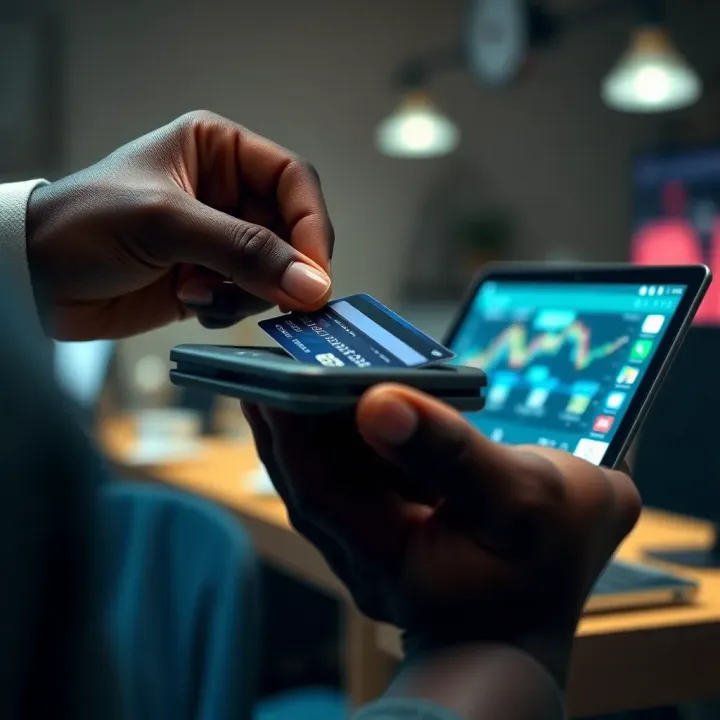
Below is a quick overview of the practical funding routes available:
Using your bank account to fund Trust Wallet is often the most familiar method. You can:
Transfer funds from your Nigerian bank account to a regulated crypto exchange like Binance or Quidax
Convert Naira (₦) to a stablecoin like USDT or BUSD on the exchange
Withdraw or directly send the stablecoin or other crypto tokens to your Trust Wallet address
This approach offers security but may involve waiting time, especially during peak banking hours. It's handy for larger transactions where you prefer a bank’s oversight.
For quicker deposits, some platforms support debit or credit card purchases. Nigerian banks such as GTBank, Access Bank, and Zenith Bank issue cards compatible for international payments.
Use your card on trusted exchanges that support Naira card payments
Instantly buy crypto which you then transfer to your Trust Wallet
This method provides speed but may incur higher charges or limits depending on your card issuer.
P2P platforms let you buy cryptocurrencies directly from other Nigerians.
Trade Naira for crypto with people offering better rates than conventional exchanges
Use local payment methods like bank transfer, USSD, or mobile money
Once payment confirms with your seller, transfer crypto into your Trust Wallet
P2P is flexible and can save you fees, but due diligence is essential to avoid fraud.
Understanding these practical options helps you begin your crypto journey with confidence, keeping your funds accessible, safe, and compliant with Nigerian local guidelines.
Trust Wallet has become a popular choice for many Nigerian crypto users because it offers a secure and easy way to store and manage multiple cryptocurrencies. Knowing what Trust Wallet really is and how to add funds to it is essential before you start trading or investing. This section highlights why Trust Wallet stands out and maps out the main ways you can fund it for smooth crypto transactions.
Trust Wallet is a mobile cryptocurrency wallet app that lets you hold, send, and receive different tokens directly from your phone. Unlike some exchanges, it gives you control over your private keys, meaning you are the custodian of your assets. For example, someone in Lagos who trades Bitcoin and Ethereum can manage these assets securely without depending on a third party to approve transactions.
Security is a major plus. The wallet encrypts your private data, and with decentralised backup options, you reduce risks connected to hacking or losing access. Plus, Trust Wallet supports a wide range of cryptocurrencies, including Binance Coin (BNB), Bitcoin (BTC), and countless tokens on Ethereum or Binance Smart Chain. For Nigerian traders who want to diversify their portfolio, this flexibility is quite valuable.
Funding Trust Wallet is your first step to making use of its features. In Nigeria, several practical options let you get started without hassle. First, bank transfers remain popular since most Nigerians already have access to bank accounts. Linking a Nigerian bank account to a crypto exchange or platform simplifies sending funds which you can then move to your Trust Wallet.
Another common way is the use of debit or credit cards, which many fintech platforms in Nigeria accept. This method is fast and convenient when you want immediate funding without visiting a bank.
For those who prefer face-to-face transactions, peer-to-peer (P2P) trading platforms like Binance P2P or local exchanges such as Quidax allow buying crypto directly from trusted sellers. After purchase, transferring tokens to Trust Wallet is straightforward.
Whichever funding method you pick, remember Nigerian regulations and security practices should come first, especially considering the activities of scams and fluctuating exchange rates.
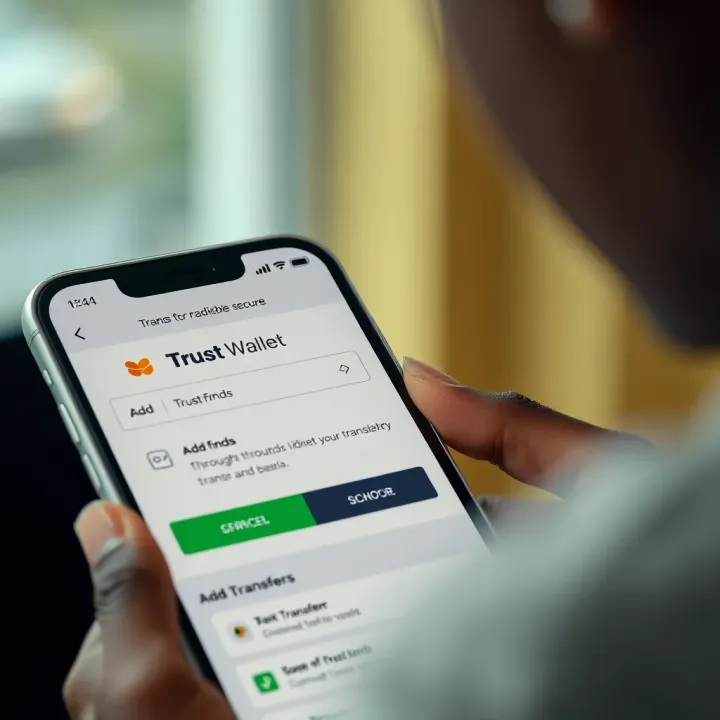
These funding routes offer variety and flexibility based on your comfort level, transaction size, and urgency. Later sections will break down each method step by step to make funding Trust Wallet easy and safe for you.
Bank transfers and USSD payments remain the backbone for funding Trust Wallet in Nigeria due to their widespread accessibility and simplicity. Many Nigerians prefer bank transfers because these methods link directly to their established financial infrastructure, providing a trusted pathway to add funds. USSD offers a quick, no-internet alternative suited especially for those in areas with poor data connectivity. These options balance convenience with security, making them practical choices for crypto enthusiasts across the country.
Connecting your Nigerian bank account to crypto platforms simplifies transferring funds. Platforms like Binance Nigeria, Quidax, or BuyCoins allow you to link your GTBank, Zenith Bank, or Access Bank account using your BVN (Bank Verification Number) for smooth verification. Once linked, you can fund your Trust Wallet indirectly by first purchasing cryptocurrency on these platforms using your bank funds, then transferring the crypto assets directly to Trust Wallet. This approach avoids the need for constant fiat transfers and minimises transaction time.
Alternatively, you can initiate direct bank transfers to local crypto exchanges before moving assets to Trust Wallet. Most exchanges provide dedicated bank accounts for deposits, where you send naira via internet banking or mobile apps. For example, funding your BuyCoins account via a direct bank transfer typically reflects within minutes during working hours. After your deposit is confirmed, you buy the desired cryptocurrency and send it to Trust Wallet. This method is practical for users familiar with online banking but requires attention to transaction details to avoid delays.
USSD services offer a vital option for quick, hassle-free funding of crypto wallets without relying on internet data. Nigerian banks provide USSD codes such as *737# for GTBank, *329 for Zenith Bank, or *901 for Access Bank. Crypto exchange platforms may also work with mobile money or telco wallets accessed via USSD, allowing users in remote or low-data areas to fund their accounts and subsequently their Trust Wallet. This method suits those who need rapid access to funding without the complexities of apps.
To fund your wallet via USSD, dial your bank's USSD code on your mobile phone and follow prompts to transfer funds to your crypto exchange account. For example, after entering *737# on GTBank, select ‘Transfer’, enter the exchange’s account number, then confirm the amount. After successful transfer, log into your crypto platform to buy crypto and send it to your Trust Wallet. Using USSD shields you from internet interruptions and saves data costs, making it particularly useful during ember months when data bundles are precious.
Using bank transfers and USSD codes to fund your Trust Wallet is an efficient and widely accessible choice for many Nigerians. It fits well with everyday banking habits while supporting secure, straightforward crypto investments.
Funding your Trust Wallet using debit or credit cards offers a straightforward and widely accessible way to add cryptocurrencies, especially for Nigerian traders and investors who prefer quick digital transactions over traditional bank transfers. This method is particularly useful for those who value convenience and want to avoid delays often encountered with bank processing times.
Nigerians can typically use MasterCard and Visa debit or credit cards issued by major Nigerian banks such as GTBank, Zenith Bank, Access Bank, and First Bank for Trust Wallet funding. These cards must be enabled for international transactions, as crypto purchases usually happen through foreign payment processors. Trust Wallet integrates with payment gateways like Simplex, MoonPay, and Banxa, which have partnered with various Nigerian card issuers to allow seamless funding.
Though some cards have restrictions, particularly those linked to accounts under strict CBN (Central Bank of Nigeria) guidelines, many users successfully fund their wallets by ensuring their cards are activated for online and cross-border payments. It's advisable to check with your bank if your card supports these features before attempting a transaction.
To fund Trust Wallet via card, start by opening the app and navigating to the funding section, usually labelled "Buy Crypto." Select the desired cryptocurrency, then choose the card payment option. You will be prompted to enter card details, including the card number, expiry date, and CVV. After confirming the amount in Naira or the cryptocurrency equivalent, the payment gateway processes the transaction, and the purchased crypto is credited to your Trust Wallet within minutes.
This process eliminates the need for external exchanges, allowing traders to quickly seize market opportunities. For example, a Lagos-based trader can top up Trust Wallet instantly after news on NGX impacts naira exchange rates, potentially benefiting from price movements without waiting for bank clearance.
One common issue is transaction failure due to the bank blocking international payments, especially in line with recent CBN restrictions. To avoid this, contact your bank to enable international online payments or obtain authorization. Additionally, some users encounter declined payments because their cards are not activated for online purchases or have insufficient funds adjusted for exchange rates and transaction fees.
Another challenge is occasional delays or failed transactions from payment gateways. If payments don't reflect in your wallet promptly, first check your transaction status on the gateway interface or Trust Wallet app. Contact customer support of the payment provider if necessary. Always keep a screenshot or transaction ID for follow-up.
Using debit or credit cards to fund your Trust Wallet offers speed and ease, but being proactive about card settings and understanding local banking policies ensures a smooth experience.
By carefully following the steps and being aware of bank policies, Nigerian investors can reliably fund their Trust Wallets through cards, expanding flexibility beyond bank transfers or peer-to-peer options.
Peer-to-peer (P2P) transactions and local crypto exchanges offer vital pathways for Nigerians to fund their Trust Wallet efficiently and securely. These methods address common challenges like bank restrictions on crypto transfers and the need for direct interaction with sellers or platforms that understand the local monetary environment. Compared to traditional payment routes, P2P trading and local exchanges allow users to fund wallets directly using naira, often at competitive rates and with flexible payment options.
When using P2P platforms, identifying reliable sellers is key. Marketplaces like Binance P2P list numerous sellers with verified profiles, transaction histories, and user ratings. Always look for sellers with high completion rates and positive reviews to reduce risks. For example, a seller with over 100 completed trades and a 99% positive rating is generally more trustworthy than one with minimal activity or frequent disputes.
Payments in P2P trades often happen through bank transfers between Nigerian banks or other local payment methods. To stay secure, confirm the seller’s account details before initiating payment, and always use the platform's escrow service, which holds the crypto until payment confirmation. Avoid off-platform payments to prevent losing funds to scams. Keeping transaction records and screenshots also helps if there is a dispute or need for customer support.
Several Nigerian exchanges serve as reliable gateways to purchase cryptocurrency with naira. Binance Nigeria provides a smooth interface and supports multiple payment options, including bank transfers and cards. Quidax stands out for its user-friendly app and multiple crypto offerings, while BuyCoins boasts fast deposits and withdrawals with minimal fees. These platforms comply with Nigerian regulations, requiring users to complete KYC (Know Your Customer) verification, which enhances overall security.
Once you've bought crypto on any local exchange, transferring it to your Trust Wallet is straightforward. You’ll need to copy your Trust Wallet’s public address for the specific crypto asset and use it as the withdrawal address on the exchange. Double-check the address and network type (e.g., BEP20 for Binance Smart Chain tokens) before initiating the transfer. Most exchanges complete withdrawals within minutes, allowing quick access to your funds for trading, holding, or spending.
Always confirm the crypto network matches between your Trust Wallet and the exchange withdrawal to avoid loss of funds.
Using P2P transactions and trusted local Nigerian exchanges simplifies the process of funding your Trust Wallet, balancing convenience with security and regulatory compliance.
Managing digital assets through Trust Wallet is not just about convenience; security and regulatory compliance are vital. Securing your funds protects against potential scams and cyber-attacks, which unfortunately are becoming more common as crypto adoption rises in Nigeria. Compliance ensures your transactions align with local laws, preventing legal complications that could affect your investments.
The Nigerian crypto space has its share of fraudulent schemes—from fake sellers on peer-to-peer platforms to phishing attempts exploiting user trust. To guard yourself, verify the reputation of sellers before any transaction. Platforms that offer user ratings and reviews, such as Binance P2P or BuyCoins, help identify trustworthy traders. Avoid deals that seem too good to be true; for example, extremely discounted rates could be bait.
Also, always double-check payment details and never share your private keys or seed phrases under any circumstance. Scammers often pressure users for quick payment or provide links to fake Trust Wallet apps aiming to capture login data. It’s wise to use official app stores for downloads and enable two-factor authentication (2FA) wherever possible.
The Central Bank of Nigeria (CBN) remains cautious about cryptocurrencies. While outright bans on crypto trading have been relaxed over time, banks often enforce strict monitoring on transactions related to crypto for compliance with anti-money laundering (AML) laws. This means some banks might block transfers to crypto platforms unless proper documentation is provided.
Practically, if you're funding your Trust Wallet through Nigerian banks, be prepared to provide transaction details that demonstrate legitimate purposes. Compliance with these guidelines helps avoid unnecessary disruptions, such as frozen accounts or denied transfers.
Know Your Customer (KYC) processes play a central role in securing crypto transactions. Exchanges and peer-to-peer platforms typically require users to verify their identity using government-issued IDs like the National Identification Number (NIN), passport, or driver’s licence. This step isn’t just bureaucratic hassle—it helps create a safer trading environment by reducing fraud and enhancing traceability.
For Nigerian traders or investors, participating in KYC-compliant platforms means your funds have some level of protection backed by formal registration. Moreover, it aligns with financial institutions’ requirements, so you avoid surprises from sudden account holds or transaction reversals. Ultimately, going through the identity verification process supports a secure and transparent crypto ecosystem in Nigeria.
Staying alert to security risks and following local regulations protects your Trust Wallet investments from scams and legal issues. Always prioritise safety when funding your crypto assets.
Learn how to fund your Trust Wallet easily in Nigeria 🇳🇬. From crypto transfers to local payments like Paystack and USSD, manage funds safely and avoid common pitfalls 💼🔒.
🚀 Discover how Memefi and OKX wallet help Nigerians securely trade and store crypto. Get tips on setup, transactions, and keeping your assets safe in Nigeria's digital market.

Discover how to choose the best trading platform in Nigeria 💹 Compare fees, features, market access & security for smarter trading decisions today!

Find the right broker in Nigeria for stocks, forex, & more 📈. Learn how to evaluate fees, platforms, regulation, & support to boost your investments.
Based on 10 reviews