

Best Forex Brokers for Nigerian Traders
Looking for a trustworthy forex broker in Nigeria? Discover key tips on regulations, platforms, fees, & support to trade confidently 📊💼🔍
Edited By
Emily Carter
Forex imbalance refers to a persistent gap between the supply and demand for foreign currency in Nigeria. This mismatch causes the naira to fluctuate sharply against major currencies like the US dollar, making it difficult for businesses and individuals to plan effectively for imports, exports, and investments.
A key driver of forex imbalance is Nigeria’s reliance on foreign exchange for imported goods and services, including refined fuel, machinery, and electronics. When foreign currency inflow, mainly from oil exports, drops due to fluctuating global prices or reduced crude production, demand for forex exceeds supply. This shortage puts upward pressure on the naira's exchange rate.

The ongoing forex shortage has led to multiple exchange rates in Nigeria, with rates from the official Central Bank of Nigeria (CBN) window vastly different from those in the parallel market, hurting transparency and investor confidence.
Businesses importing raw materials or finished goods often face delays or increased costs because suppliers demand payment in hard currency. For example, a manufacturing firm needing dollars to buy spare parts may struggle to get official allocation and has to turn to the black market, where rates are much higher. This drives up production costs and, eventually, consumer prices — contributing to inflation.
Individuals travelling abroad or studying overseas also feel the pinch as forex scarcity limits their ability to access dollars at official rates. Meanwhile, exporters sometimes deal with delayed receipts or lower remittances because of foreign exchange controls.
Government policies impact forex dynamics significantly. Measures like restricting certain import categories to conserve FX, or imposing stricter controls on forex spending, aim to manage demand. However, these can backfire if they stifle business activity or encourage illegal forex dealings.
For traders and investors, understanding forex imbalance is crucial since it affects market liquidity, pricing, and the Nigerian stock exchange's performance. An unstable exchange rate increases foreign investors’ risk, which may reduce capital inflow.
Identifying forex imbalance signs and how government actions influence the market helps stakeholders navigate Nigeria’s complex FX landscape. Ultimately, addressing the root causes of imbalance requires boosting non-oil exports, improving FX earnings diversity, and implementing consistent monetary policies that stabilise the naira.
Understanding forex imbalance is vital because Nigeria’s economy heavily depends on foreign currency flows, especially US dollars. When demand and supply for forex aren’t matched, it creates pressure on the naira, affecting how businesses and households transact daily. This imbalance influences everything from the price of imported fuel to the cost of raw materials needed by local manufacturers. For financial analysts, grasping this concept helps forecast currency trends and risks.
Forex demand refers to the amount of foreign currency Nigerian businesses and individuals want to buy. This demand spikes when importers, investors, or travellers need dollars or pounds for goods, services, or investments abroad. Supply, on the other hand, comes mainly from Nigeria’s exporters—oil and non-oil sectors—and remittances from Nigerians overseas. When the demand exceeds supply, a forex imbalance emerges. For instance, if importers demand ₦150 million worth of dollars while suppliers provide only ₦100 million, a gap of ₦50 million forms, straining the exchange market.
Imbalance usually surfaces due to factors like fluctuating oil revenues, as oil contributes over 80% of Nigeria’s forex inflow. Suppose oil prices fall sharply; foreign exchange earned declines, shrinking supply. Simultaneously, import needs remain steady or grow, pushing demand above supply. Speculative activities in the market also exacerbate imbalance, with traders hoarding forex in anticipation of naira depreciation. This leads to scarcity and multiple exchange rates developing outside official channels.
Nigeria imports a significant portion of its consumption and production inputs, from fuel and machinery to processed foods. As most transactions require foreign currency, consistent access to forex is essential for business continuity. When forex is tight, businesses struggle to pay for imports, causing production slowdowns and higher prices. For example, the regular shortage of forex for refined fuel forces many to rely on costly petrol imports or generators, adding to operational expenses.
The naira’s value largely reflects the balance between forex demand and supply. When demand outpaces supply, the naira weakens against major currencies. A weaker naira means imported goods, often priced in dollars, become more expensive, pushing inflation higher. Conversely, a stable or stronger naira lowers import costs and curbs inflation. Traders and investors watch naira exchange trends closely as they impact profitability, costs, and investment decisions.
Forex imbalance is not just an abstract financial term; it directly shapes Nigeria's economic realities, from everyday prices to business stability and investment outlooks.
Forex imbalance arises when the demand for foreign currency exceeds its supply.
Oil prices and export earnings significantly influence forex supply in Nigeria.
Nigeria’s dependence on imports makes forex availability critical for economic stability.
The naira’s exchange rate fluctuates in response to forex market imbalances, affecting inflation and business costs.
Understanding these basics helps investors and analysts anticipate market movements and the knock-on effects on the Nigerian economy.
Understanding the root causes of forex imbalance is essential for financial analysts and investors closely watching Nigeria's economy. The gap between forex demand and supply results from both external shocks and domestic pressures, each having practical impacts on currency stability and market confidence.
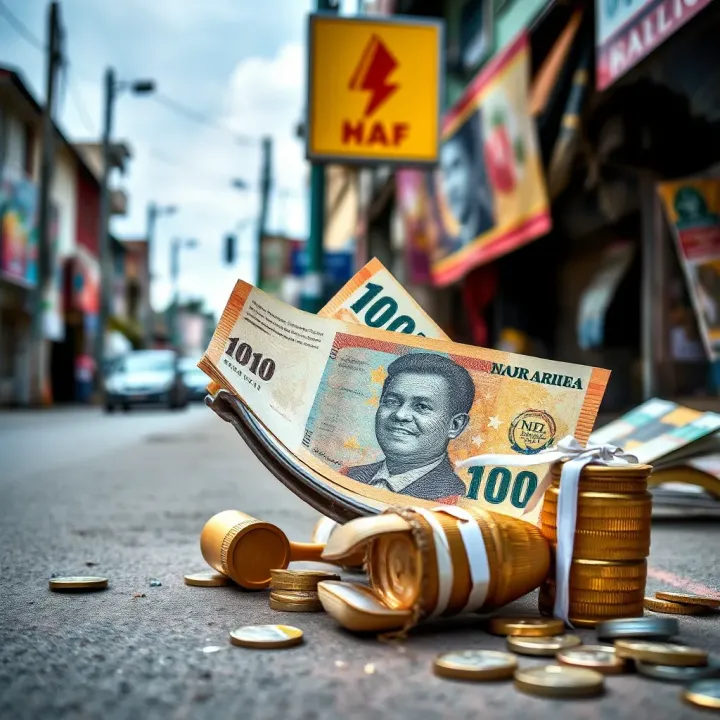
Nigeria's economy relies heavily on crude oil exports, which account for over 80% of foreign earnings. When global oil prices wobble, export revenues rise or dip sharply, directly influencing how much foreign currency flows into Nigeria. For example, a sudden plunge in oil prices saw Nigeria’s forex reserves drop significantly, pressuring the Central Bank of Nigeria (CBN) to tighten forex availability.
This volatility matters because fewer dollars entering the economy mean less forex supply for businesses and individuals needing to pay for imported goods or services. Traders and investors watch oil prices keenly, as they often signal upcoming exchange rate adjustments or liquidity shifts in the forex market.
Global investors constantly move their capital between emerging and developed markets based on risk appetite, interest rates, and economic outlooks. When international investors pull funds out of Nigeria – perhaps due to higher US interest rates or political uncertainty – the naira faces sharp depreciation pressures.
This capital flight dries up forex liquidity quickly, tightening supply against steady or rising demand. For instance, during periods of geopolitical tension or election uncertainties in Nigeria, foreign portfolio investments often retreat, exacerbating forex shortages and creating turbulence in the currency market.
Nigeria depends heavily on imports for fuel, machinery, electronics, and consumer goods. This persistent demand for foreign currency pushes constant pressure on forex reserves since payments for imports must be in hard currency.
Many Nigerian businesses rely on imported raw materials too, meaning even local manufacturers contribute to forex demand indirectly. For example, the use of imported packaging material by food processors adds to the steady drain of foreign exchange.
The government often enforces import bans or tariffs intending to conserve forex and promote local production. However, such policies can backfire by creating black markets where forex is traded at inflated rates, confusing official supply channels.
For example, restrictions on rice imports led to a surge in smuggled products priced in scarce forex, forcing some traders to pay multiple exchange rates. Consequently, this distorts the real demand-supply balance and clouds the actual forex situation.
Speculators in the forex market sometimes exacerbate imbalances by hoarding dollars when they predict naira depreciation. They delay selling forex to benefit from expected gains, reducing available supply.
Such behaviours create artificial scarcity, pushing official and parallel market rates apart. For instance, during peak ember months, speculative activities spike, restricting access to dollars for everyday transactions and worsening currency volatility.
Forex imbalance in Nigeria is shaped by complex interactions between international shocks and local factors. Traders and investors must consider both external and domestic causes to navigate volatile currency conditions effectively.
Forex imbalance significantly affects both Nigerian businesses and households, primarily by driving up import costs and stirring inflationary pressures. These effects ripple across the economy, dampening consumer spending and complicating operations for local manufacturers and small enterprises. Understanding these consequences reveals why resolving forex shortages remains vital for economic stability.
Nigeria relies heavily on imports for fuel, raw materials, and various finished goods. When forex supply falls short of demand, the naira weakens, making foreign currency more expensive. For instance, the cost of imported petrol rises sharply, pushing fuel distributors to hike prices. This impacts transport businesses, including keke and danfo operators, who transfer higher costs to passengers.
Similarly, manufacturers depending on imported raw materials face higher production costs. For example, textile producers importing fabric or chemical companies sourcing industrial components incur steeper expenses when forex is scarce. These increased operational costs often lead to higher prices for finished products, reducing competitiveness.
The rising import costs feed directly into Nigeria's inflation rate, which has persistently hovered in double digits in recent years. As prices climb, households find their naira buys less, especially for essential imported goods such as electronics, medicine, and food items.
Reduced purchasing power forces many consumers to adjust their budgets, cutting back on non-essential spending. This contraction in demand then trickles down to businesses, especially those reliant on everyday consumer sales. Consequently, the forex imbalance not only stokes inflation but also slows economic growth by throttling spending.
Local manufacturers and small to medium enterprises (SMEs) often struggle to get the forex they need to buy production inputs. Banks and forex bureaux sometimes ration foreign currency, prioritising big firms or essential importers. This leaves many SMEs stuck unable to pay for imported machinery parts or ingredients, delaying production schedules.
For example, a Lagos-based food processing SME may wait weeks or months to secure forex to import packaging materials. This disrupts their supply chain and can force temporary shut-downs or layoffs, undermining business growth and employment generation.
Forex shortages also cause delays in settling foreign suppliers. Exporters from China or Europe, for instance, may hold back shipments if payments do not arrive promptly in dollars or euros. This results in supply chain bottlenecks, further compounding operational challenges for Nigerian firms.
The cascading effect means businesses cannot meet customer demands on time, risking loss of contracts or reputation. For households, this translates into product shortages or inflated prices, particularly in sectors like pharmaceuticals and electronics where imports are critical.
Forex imbalance is more than just a currency issue; it tightly connects to everyday economic realities, especially for Nigerian businesses navigating unpredictable costs and consumers feeling the pinch at market stalls and supermarkets alike.
Policy and regulation stand as critical tools in managing forex imbalance in Nigeria. With the naira frequently facing pressure due to import dependency and fluctuating oil revenues, government interventions shape how forex is allocated, utilised, and conserved. These roles are not just about control but ensuring stability for businesses and households that rely on reliable access to foreign currency.
Foreign exchange allocation mechanisms refer to how the Central Bank of Nigeria (CBN) distributes scarce foreign currency among competing demands. Given limited forex availability, the CBN prioritises sectors like petroleum imports, essential raw materials, and critical services to sustain the economy. For example, businesses importing machinery for local production might get priority access over those importing non-essential luxury items. This targeted allocation mitigates abrupt naira depreciation by controlling demand on the limited forex pool.
However, these mechanisms sometimes create bottlenecks, especially for small businesses waiting for approvals or struggling with informal channels due to restricted official access. The CBN continues to refine these allocation policies to balance fairness with economic necessity, aiming to reduce market distortions and curb black market activities.
Use of multiple exchange rates is another approach the CBN employs to manage forex demand and supply. Instead of a single market-driven rate, Nigeria has official, bureau de change, and sometimes special rates for sectors like manufacturing and agriculture. While this system intends to protect key sectors by offering cheaper forex, it can create arbitrage opportunities and complicate business planning. For instance, an importer may prefer official rates but face delays, pushing them toward more expensive black-market rates.
Multiple rates aim to ration forex effectively, but they also risk fragmenting the market and encouraging speculative trading. The CBN often adjusts these rate structures to limit distortions and improve efficiency, recognising that clear and predictable forex pricing supports investor confidence.
Import substitution incentives encourage businesses to produce locally rather than relying on imports. By supporting Nigerian manufacturers through tax holidays, grants, or infrastructure improvements, the government reduces forex demand by replacing imported goods with homegrown products. For example, incentives for local textile and agro-processing factories aim to cut down on foreign exchange spent on garments or processed foods.
Practically, these policies help ease pressure on forex reserves and create jobs, but they require consistent implementation and a focus on improving product quality to compete with cheaper imported alternatives.
Effects of tariffs and bans on forex demand involve using customs duties or outright bans on certain imported goods to reduce foreign currency outflow. Tariffs make imports more expensive, nudging consumers and businesses to prefer local alternatives. Bans on items like rice or poultry imports, implemented at various times, seek to protect local farmers and conserve forex.
Although these measures can reduce immediate forex demand, they may also lead to unintended consequences such as smuggling, price hikes, and supply shortages if local production cannot meet demand. Therefore, tariffs and bans work best when combined with support for domestic industries to build sustainable supply chains.
Strong policy and regulatory frameworks remain vital for stabilising Nigeria’s forex market. They must balance controlling demand with encouraging local production and ensuring transparent, fair forex distribution to foster economic growth.
This section highlights how regulation by the CBN and government trade policies interplay to manage Nigeria’s ongoing forex imbalance challenge, helping traders and investors grasp the practical impacts behind the headlines.
Addressing forex imbalance in Nigeria requires practical measures that go beyond short-term fixes. Sustainable growth hinges on a combination of efforts to widen foreign earnings, streamline forex market operations, and boost local production. These strategies not only ease pressure on the naira but also enhance economic resilience against external shocks.
Promoting agricultural and manufacturing exports is key to diversifying Nigeria’s forex inflow. Agriculture offers huge potential since many Nigerian farmers grow exportable crops like cocoa, cashew nuts, sesame seeds, and ginger. By improving farming techniques, post-harvest processing, and linking farmers to global markets, export volumes can increase steadily. Similarly, the manufacturing sector can add value to raw materials—for example, turning cotton into textiles or palm fruits into refined oil for export—to capture more foreign exchange.
Improving export infrastructure and incentives is equally important. Ports, roads, and cold storage facilities must be upgraded to reduce delays and losses in export goods. Incentives such as tax breaks, export credits, and simplified customs procedures encourage businesses to invest in export activities. For instance, the Nigerian Export Promotion Council (NEPC) can partner with states to develop export hubs offering these benefits, making it easier for companies to penetrate foreign markets and boost forex earnings.
Improving transparency and reducing arbitrage within the forex market helps to stabilise exchange rates and diminish speculative behaviours. Establishing clearer guidelines for forex transactions and disseminating real-time market data to stakeholders prevents price distortions and curbs multiple exchange rates that confuse investors. For example, Nigeria’s investors could benefit if the Central Bank of Nigeria (CBN) strengthens reporting standards and regularly publishes forex demand-supply trends.
Encouraging diaspora remittances through formal channels is a practical way to increase forex inflow. Remittances contribute significantly to Nigeria’s foreign currency reserves, but many Nigerians abroad still use informal routes due to cost or convenience. Regulatory measures and partnerships between banks and fintech companies like Flutterwave or Paystack can ease transfer processes and lower fees. Making formal remittance channels more accessible and trustworthy helps attract more legitimate foreign exchange.
Investing in local industries reduces dependence on imported goods and the volatile forex market. When Nigeria encourages manufacturing of essentials—like agro-processed foods, basic chemicals, and consumer goods—local industries absorb demand that otherwise drains forex. For instance, investing in agro-allied industries within agro-corridors supports farmers and manufacturers while conserving naira reserves.
Fiscal discipline and monetary stability underpin currency stability and forex balance. Government spending should align with revenue, avoiding excessive borrowing which stokes inflation and naira depreciation. The CBN’s monetary policies must also aim to maintain consistent interest rates and curtail excessive money supply growth. Together, these measures build investor confidence, slow inflationary pressures, and stabilise forex rates, benefiting traders, investors, and everyday Nigerians alike.
Tackling forex imbalance demands a multi-pronged approach that combines export diversification, market reforms, and sound macroeconomic management. Only then can Nigeria create steady, sustainable forex availability to support its growing economy.
Looking for a trustworthy forex broker in Nigeria? Discover key tips on regulations, platforms, fees, & support to trade confidently 📊💼🔍

Discover tips to find Nigeria's best Forex traders 📈 Learn key skills, spot trusted pros, and navigate risks in Nigeria’s forex market with confidence 🇳🇬
Find the best Forex signal app for Nigerian traders 🇳🇬. Learn to pick apps with top accuracy, safety features, costs, and legal tips to boost your trading success 📈.

🔍 Looking for the best forex broker in Nigeria? Learn how to pick trusted brokers with the right regulation, fees, platforms & support to trade smart!
Based on 5 reviews