
Understanding Forex Trading Online in Nigeria
📈 Learn to trade forex online confidently! Discover practical tips, smart strategies, and the right platforms to start trading ₦ successfully in Nigeria today.
Edited By
Sophie Turner
Forex trading offers attractive profit opportunities but also carries significant risks, especially in Nigeria's market with its unique challenges like naira volatility and fluctuating foreign exchange policies. Understanding how to reduce risks is essential for anyone serious about preserving capital and growing their funds over time.
Trading forex without a solid risk management plan is like driving an okada through busy Lagos traffic blindfolded — danger lurks at every corner. The currency market reacts swiftly to global news, Central Bank announcements, and local economic changes, causing sharp price swings that can wipe out poorly managed trades.
This section lays groundwork on how to approach risk prudently with focus on tangible strategies and tools Nigerian traders can implement immediately. You will learn how to spot risk factors, use protective measures such as stop-loss orders, and manage your trading size to fit your capital.
Risk in forex trading isn’t about avoiding losses completely but controlling exposure so a single bad trade doesn’t wreck your entire portfolio.
Market Volatility: The naira often faces sharp swings due to forex scarcity, CBN interventions, and oil price shifts. This unpredictability can amplify gains but also losses.
Leverage Misuse: Using high leverage amplifies both profits and losses. Many Nigerian traders jump into leveraged trades expecting quick returns but underestimate the risk of margin calls.
Emotions and Impulse Trading: Fear, greed, and impatience cause hasty trades. Without discipline, traders chase losses and forget their risk limits.
Stop-Loss Orders: These automatically close a position at a set price to cut losses before they escalate.
Position Sizing: Adjust the trade size to a small percentage (usually 1–2%) of your total capital, so a single loss won't kill your account.
Diversification: Avoid placing all capital on one currency pair. Include pairs like USD/NGN alongside stable majors such as EUR/USD to hedge local currency risk.
Proper risk management in forex trading doesn’t guarantee profits but ensures that your trading journey stays sustainable, even when markets behave unexpectedly. In the next sections, we’ll explore specific trading strategies tailored to the Nigerian financial environment.
Understanding the risks involved in forex trading sets the foundation for protecting your capital and making informed decisions. Without a clear grasp of what can go wrong, even the sharpest trader might find themselves on the wrong side of the market. For instance, a trader in Lagos who doesn't account for sudden naira fluctuations can easily lose a substantial part of their investment overnight. By recognising risk factors early, you mitigate surprises and trade with confidence.
Market Volatility and Price Fluctuations
Foreign exchange markets are notoriously volatile. Prices swing sharply due to economic data releases, geopolitical events, or changes in monetary policy — sometimes within minutes. For example, a surprise interest rate decision by the Central Bank of Nigeria (CBN) can cause the naira to fluctuate, impacting open positions quickly. This volatility means that traders could either gain or lose money very fast, emphasising the need to monitor the market actively and use risk management tools like stop-loss orders.
Leverage and Its Impact on Risk Exposure
Leverage allows traders to control large positions with a relatively small amount of capital, promising bigger returns but also magnifying losses. A 50:1 leverage means for every ₦1,000 you invest, you control ₦50,000 worth of currency. While lucrative, this exposes traders to severe losses if the market moves against them. Nigerian traders often get tempted by high leverage offered by brokers, but without careful management, a minor price shift can wipe out the entire trading account.
Political and Economic Factors Affecting Currency Values
Currency prices reflect a country's broader political and economic landscape. Elections, policy changes, or even social unrest can affect a currency's strength. For instance, uncertainty ahead of a gubernatorial (guber) election in Nigeria can result in naira depreciation. Traders must stay alert to such events, which may not always follow predictable patterns but still influence forex rates profoundly.
Liquidity Risks and Trading Hours
Forex markets operate 24 hours across different time zones, but liquidity varies. Certain hours see thin trading volumes, increasing price gaps and the risk of slippage. A trader attempting to enter or exit positions during Nigeria's off-peak hours might face wider spreads, reducing profitability. Being aware of liquidity windows ensures better timing and execution.
Naira Exchange Rate Instability
The naira is one of the most volatile currencies globally. Factors like fluctuating oil prices, foreign exchange reserves, and policy shifts cause sharp naira movements against other currencies. This instability introduces extra risk to Nigerian traders since their domestic capital's value may drastically change in forex deals. For example, switching profits back to naira during an unfavourable exchange period could erode returns.
Capital Controls and Regulatory Environment
Nigeria enforces capital controls limiting how much foreign currency individuals can buy or transfer. These restrictions, alongside regulatory oversight by bodies like the Securities and Exchange Commission (SEC), impact how traders navigate forex. Sudden implementation of new rules can halt or delay transactions. Nigerian traders must stay current on regulations to avoid blocked funds or compliance issues.
Limited Access to International Banking Services
Many Nigerian forex traders struggle with access to global banking platforms due to local banking restrictions or inadequate infrastructure. This situation complicates depositing or withdrawing funds from brokers abroad. Traders sometimes resort to alternative services like fintech platforms (e.g., OPay) to move money more efficiently. However, these methods require thorough due diligence to avoid scams and additional fees.
Understanding these risks is not just academic; for any Nigerian forex trader, it is a vital step to avoid costly mistakes and trade smarter in a complex market.
Managing risks effectively is a must for any trader who wants to stay afloat in the volatile forex market. Traders need practical tools and techniques that offer control over potential losses and help secure profits. These strategies reduce exposure and build consistency, especially for Nigerian traders navigating local market quirks like naira volatility.
Stop-loss orders act as safety nets by automatically closing trades at a predetermined loss level. This prevents your capital from taking a hit beyond what you can bear. For example, if you buy USD/NGN at ₦460 and set a stop-loss at ₦450, your trade will close if the price drops to that point, limiting losses to ₦10 per dollar.
To set an effective stop-loss, consider recent support or resistance levels on the chart. Placing it too close might trigger premature exits, while too far exposes you to bigger losses. Good stop-loss placement balances protecting capital without getting kicked out by normal market swings.
Take-profit orders lock in gains automatically when the price hits your target. Many traders neglect this tool, risking profits evaporating if greed takes over or markets suddenly reverse. Suppose you enter EUR/USD at 1.1000 and target 1.1100; setting a take-profit means the trade exits once it hits 1.1100, crystallising your gain without you having to watch the screen constantly.
Using take-profit targets enforces trading discipline and helps manage emotions—vital aspects for long-term success. It removes guesswork about when to exit and ensures you don’t miss out on good returns during volatile sessions.
The risk-reward ratio measures potential profit relative to expected loss. Ideally, traders aim for at least a 2:1 ratio, meaning they expect double the profit compared to the risk involved. For instance, risking ₦5,000 to make ₦10,000 in a trade reflects a 2:1 ratio.
Focusing on favourable risk-reward pairs ensures that even if you win fewer than half of your trades, the profits can outweigh the losses. Always calculate this before entering a trade to keep your strategy profitable over time.
Proper position sizing means adjusting trade size according to your risk tolerance and stop-loss distance. If your account size is ₦500,000 and you don't want to risk more than 2% per trade (₦10,000), then size your position so that hitting your stop-loss equals a ₦10,000 loss.
This approach prevents blowing your account on a single trade and keeps losses manageable. Many Nigerian traders overlook this and sometimes take oversized positions, which can wipe out their funds quickly during sudden naira swings.
Diversification involves trading multiple currency pairs instead of focusing solely on one. By mixing major pairs like USD/EUR with emerging or minor pairs such as USD/NGN or GBP/ZAR, you reduce the risk of sharp losses if one market turns bearish.
However, be mindful not to over-diversify as this can lead to overtrading and dilute your focus. A balanced portfolio spreads risk but ensures you understand the markets you invest in.
Adding other asset classes like stocks, bonds, or commodities to your investment mix offsets forex volatility. For Nigerian traders, integrating local equities or government bonds with forex trading can soften the impact of sudden market shifts.
For example, when naira suddenly weakens against the dollar, gains from equities in export-driven firms may balance the loss. This multi-asset approach enhances portfolio resilience and long-term wealth building.
Using these practical tools and techniques helps you trade smarter, protect your capital, and steadily grow in the challenging forex environment. Nigerian traders who apply stop-loss orders, respect risk-reward ratios, size positions correctly, and diversify wisely stand a better chance of success amid market unpredictability.
Minimising losses in forex trading is essential for protecting your capital and ensuring long-term growth. Without solid strategies, even seasoned traders can face significant setbacks, especially in volatile markets like the forex market where currency values shift rapidly. Effective loss reduction techniques help smooth out these fluctuations and keep your portfolio intact.
Leverage lets you control a large position with a small amount of capital, but it can also amplify losses just as quickly as it boosts gains. For instance, during sudden naira volatility or political unrest affecting currency pairs, using high leverage can wipe out your investment faster than you expect. Nigerian traders often face this risk because brokers may advertise tempting leverage ratios, but pushing beyond your risk tolerance shouldn’t be an option.
To stay safe, limit your leverage, especially during uncertain economic times or when trading less liquid currency pairs. A 1:10 leverage, for example, offers more manageable exposure than the maximum 1:100 or higher some platforms might allow. This keeps your potential losses from snowballing and lets you recover more easily when the market moves against you.
A solid trading plan is your roadmap. Deciding beforehand the level where you enter or exit a trade prevents guesswork and emotional decisions. For example, if you plan to buy USD/NGN at 500 and set a target to sell at 520 with a stop-loss at 490, these parameters manage your risk naturally. Without these boundaries, you might jump into or out of trades too early or late, eroding profits and increasing losses.
One of the biggest causes of trading losses comes from acting on feelings like fear or greed. Nigerian traders often feel pressured during currency upheavals or when news headlines stoke panic. Reacting immediately to these can lead to rash decisions, like closing a position too soon or doubling down recklessly.
Keeping a level head involves sticking to your plan, not chasing the market, and recognising emotional triggers. Techniques like taking breaks during intense market hours or using automated stop-loss orders can help enforce discipline and reduce costly mistakes.
Technical analysis equips traders with tools to interpret historical price actions and forecast trends. Recognising patterns like head and shoulders, double tops, or support and resistance can guide when to enter or exit trades. For example, spotting a breakout from a consolidation phase on EUR/USD charts may signal a strong upward movement, prompting a well-timed buy.
This method offers a visual, data-driven approach that reduces guesswork. Yet, technical analysis works best combined with other insights to confirm decisions.
Fundamental analysis looks at economic and political events shaping currency movements. Nigerian forex traders should watch indicators like US Federal Reserve interest rate decisions, Nigerian inflation reports, or Brexit developments. For instance, a hike in the US interest rate can strengthen the dollar, affecting pairs like USD/NGN and requiring strategy adjustments.
Understanding the broader economic picture helps traders anticipate market shifts, stay ahead of surprise moves, and time their trades strategically rather than reacting late.
Thoughtful loss reduction strategies intertwine discipline, risk awareness, and informed analysis. Without these, even a good trading setup can crumble under pressure.
By avoiding excessive leverage, sticking to a clear trading plan, and using both technical charts and fundamental news, Nigerian forex traders can reduce losses and improve their chances of steady profits.
Navigating the forex market from Nigeria presents unique challenges that call for careful practical planning. Traders here must balance global market dynamics with local realities like currency volatility and regulatory conditions. This section highlights essential factors Nigerian traders must consider to improve their chances of success and protect their capital.
The Securities and Exchange Commission (SEC) Nigeria plays a vital role by regulating brokerage firms offering forex trading services. Working with SEC-licensed brokers ensures you deal with entities that comply with local laws, provide transparent business practices, and protect investors’ interests. For example, brokers registered with SEC adhere to standards on client fund segregation, regular reporting, and responsible marketing.
Choosing a broker outside SEC regulation may expose you to fraud or poor trading conditions, as such operators lack oversight. Nigerian traders should confirm brokers appear on the SEC’s official list before committing funds. This approach helps avoid common pitfalls such as sudden platform closures or withdrawal delays.
Brokerage costs directly affect your profit margins in forex trading. Nigerian traders need to check spreads, commissions, and any hidden charges carefully. For instance, brokers with wider spreads cause higher trading costs, eating into gains. Transparent brokers clearly show their fee structures upfront.
Execution speed also matters, particularly in volatile markets where prices change quickly. Slow trade execution can lead to slippage—where orders are filled at worse prices than expected. Choosing brokers with local server access or established infrastructure in Nigeria can minimise delays. In practice, traders find that faster execution aids better order management, especially during naira fluctuations.
Naira’s frequent swings and government exchange restrictions pose serious risks for Nigerian forex traders. To reduce exposure, traders can employ hedging techniques using currency pairs less tied to the naira. For instance, focusing on major pairs like EUR/USD or GBP/USD may help avoid direct naira volatility.
Some traders also diversify their portfolios by holding assets in multiple currencies or using contracts that lock in exchange rates in advance. Staying informed on Central Bank of Nigeria (CBN) policy changes and foreign exchange market trends helps anticipate and react promptly to shifts.
Due to the naira’s volatility, many traders peg their accounts or strategies to the US dollar or other stable currencies like the euro or pound sterling. This approach provides a more stable base value for calculating profits or losses.
For example, some Nigerian brokers offer dollar-denominated accounts, reducing the risk of sudden naira depreciation hitting your trading capital. Using stable currency references allows traders to plan and measure performance more consistently, especially when the naira weakens unexpectedly.
Local fintech providers such as OPay and Paystack have simplified access to forex trading for many Nigerians. These platforms enable quick and secure fund transfers between bank accounts and trading accounts, reducing delays common in traditional banking.
By integrating fintech services, traders can fund their accounts or withdraw earnings with fewer hassles, which is crucial when market movements demand timely action.
The integration of mobile payment systems improves trade execution by enabling instant deposit and withdrawal processes. This speed can make a difference when trying to exploit short-term market opportunities or avoid losses.
Additionally, mobile payments increase participation by making forex trading accessible even to those without traditional banking services. Traders in regions where bank branches are sparse rely on fintech to maintain liquidity and keep trading activity uninterrupted.
Practical familiarity with Nigeria’s regulatory landscape, currency realities, and emerging fintech options can significantly reduce risks and empower traders to make smarter forex decisions.
Consistent monitoring and reviewing of risk management are vital to keep forex trading efforts on track. Markets do not remain static; conditions evolve, affected by local events in Nigeria and international developments. Traders who regularly assess their strategies and outcomes stand a better chance at protecting their capital and adapting swiftly to changing risks.
Tracking trades meticulously through a trading journal helps traders understand patterns in profits and losses. Recording every trade, including entry points, exit points, trade size, and the resulting profit or loss, paints a clear picture of where a strategy succeeds or falters. For example, a Nigerian trader might note that trades involving USD/NGN pairs perform differently during periods of heightened naira volatility.
Beyond numbers, documenting feelings and market observations during trades uncovers emotional influences on decision-making. This reflection is crucial because emotions often lead to impulsive trading, which increases risk.
Analysing past mistakes is where the trading journal moves from a record-keeping tool to a strategic asset. By reviewing losing trades, traders identify flawed assumptions or missed signals. For instance, if a trader often loses when ignoring key economic releases like CBN policy rate announcements, they can adjust their approach to avoid such pitfalls.
This analysis allows traders to refine entry points or improve stop-loss placement, reducing unnecessary exposure. Progress is achievable only if losses are not repeated blindly; thus, a journal acts as feedback for continuous improvement.
Risk management is not a set-and-forget exercise. Recognising when to tighten or loosen stop-loss orders ensures protection remains aligned with current circumstances. In highly volatile times, such as during Nigeria's ember months when naira instability spikes, tightening stop losses helps prevent outsized losses.
Conversely, in calmer market phases, loosening stop losses slightly might prevent premature exits from trades, allowing profits to develop. Smart traders balance these adjustments carefully, avoiding knee-jerk reactions but also not ignoring changing risks.
Responding promptly to sudden market shifts is essential. Unexpected political events or economic shocks can swing currency values sharply within hours. Reacting by reassessing open positions and modifying strategies protects traders from severe drawdowns. For example, if a new monetary policy surprise hits the market, a quick review and adjustment can cut losses or lock in gains.
Regularly reviewing your risk controls and trading decisions with fresh eyes keeps you ahead of the market's unpredictable nature. It’s the difference between surviving and thriving as a forex trader.
In sum, monitoring and reviewing risk strategies through journalling and flexible risk parameters are practical steps all Nigerian traders should adopt. They help keep emotions in check, sharpen trading acumen, and prepare you to handle forex market turns confidently.
📈 Learn to trade forex online confidently! Discover practical tips, smart strategies, and the right platforms to start trading ₦ successfully in Nigeria today.
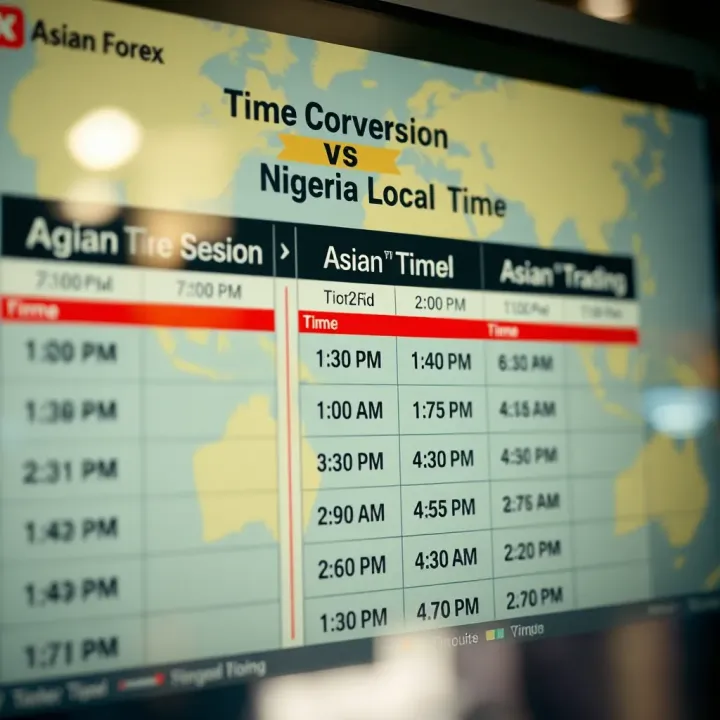
📈 Learn how Nigeria’s time aligns with the Asian forex session, explore key trading strategies, currency behaviour, and top tips for success in FX markets.
📉 Discover how deviation impacts forex trading in Nigeria. Learn to spot causes, manage risks, and improve your trade execution for better results.
Discover how to choose the best trading platform in Nigeria 💹 Compare fees, features, market access & security for smarter trading decisions today!
Based on 5 reviews