
New York Trading Session Time in Nigeria Explained
📊 Discover when the New York trading session starts in Nigeria, learn to adjust for daylight saving, and enhance your trading strategies during peak hours.
Edited By
Amelia Gray
The New York forex session is a key part of the global currency market, particularly for those trading from Nigeria. It opens at 8:00 am Eastern Standard Time (EST) and closes at 5:00 pm EST. Because Nigeria operates on West Africa Time (WAT), which is usually 6 hours ahead of EST, this means the session runs from 2:00 pm to 11:00 pm Nigerian time during standard time, but this shifts to 1:00 pm to 10:00 pm during daylight saving periods in the US.
Understanding these times is essential for forex traders in Nigeria who want to make the most of market activity when liquidity and volatility peak. The New York session overlaps with the London session in the afternoons, producing higher trading volumes and sharper price movements. This overlap period is especially important for trading major currency pairs like USD/EUR, USD/GBP, and USD/JPY.
Characteristics of the New York Session:
High volatility in USD pairs: The USD is central to this session; expect swift price swings.
Market reactions to US economic news: Releases like Non-Farm Payrolls or interest rate decisions can trigger sudden market moves.
Overlap with London session: From around 2:00 pm to 4:00 pm Nigerian time, trading activity spikes.
For Nigerian traders, this means the afternoon to late evening window is prime time for forex trading. It’s advisable to keep an eye on the US economic calendar to anticipate market-moving events.
Many traders find this session the most profitable if they are ready to act quickly on news and volume shifts. Unlike the Asian session which may feel quieter, the New York period offers more opportunities — but also demands strong risk management to handle potential sudden swings.
By knowing exactly when the New York forex session starts and ends in Nigerian time, you can plan your trading day effectively, position yourself for the best currency pairs, and avoid times when markets are slow or unpredictable.
This practical timing knowledge helps you stay ahead in the fast-moving forex market.
Understanding the New York Forex session is essential for traders in Nigeria because it captures significant market activity and liquidity. This session not only represents the heart of the American trading day but also overlaps with other major sessions, offering unique opportunities for higher volatility and trading volume. Knowing when the New York market opens and closes helps you plan your trades efficiently around times of active market moves.
The New York trading session is one of the three primary forex trading sessions worldwide, alongside London and Tokyo. It starts when the New York financial markets open, typically at 8:00 am EST (Eastern Standard Time), and closes at 5:00 pm EST. Given New York’s status as the financial hub of the United States, this session influences both currency pricing and market trends significantly. It accounts for a substantial portion of daily forex volume, especially involving the US dollar.
Practically, this means forex pairs involving the USD often experience heightened activity and price movements during the New York session. For example, pairs like USD/NGN, EUR/USD, and GBP/USD tend to see increased liquidity, making it a critical window for traders looking to enter or exit positions with tighter spreads.
Compared with the Asian and London sessions, the New York session tends to show pronounced volatility during its opening hours and closing window. While Tokyo operates overnight for Nigerians and London covers European business hours, New York sets the tone for the American financial day. It's common to witness increased overlap between the London and New York sessions around 1:00 pm WAT, which often brings even greater market liquidity. These overlaps create prime trading opportunities rarely found at other times.
Converting New York trading hours to West Africa Time (WAT) is key for Nigerian traders. New York is generally five hours behind WAT. So, when the New York session opens at 8:00 am EST, it is 1:00 pm WAT in Nigeria. The session then runs until 10:00 pm WAT. This timing means many Nigerian traders find the New York session accessible in the afternoon and evening hours, a practical window to engage without disrupting daily routines.
Daylight Saving Time (DST) in the US affects this timing shift twice a year, moving clocks forward or back by one hour. During DST, which usually runs from March to November, New York is four hours behind WAT instead of five. This means the session runs from 12 noon to 9:00 pm Nigerian time rather than 1:00 pm to 10:00 pm. Nigerian traders should be mindful of this change to avoid mistiming their trades or missing crucial market moves.
Keeping track of the New York session's timing relative to Nigerian time, with daylight saving changes in mind, ensures traders remain ready to act during peak market hours and avoid unnecessary risks.
By understanding the session's hours and its role relative to others, Nigerian traders can better align their strategies to market rhythms and maximise potential gains.
The New York trading session is one of the most important parts of the 24-hour forex market cycle. Understanding its key characteristics is essential for traders and analysts who want to make informed decisions, especially those trading from Nigeria. This session shapes market dynamics significantly due to the heavy involvement of major financial centres and the release of critical US economic data.
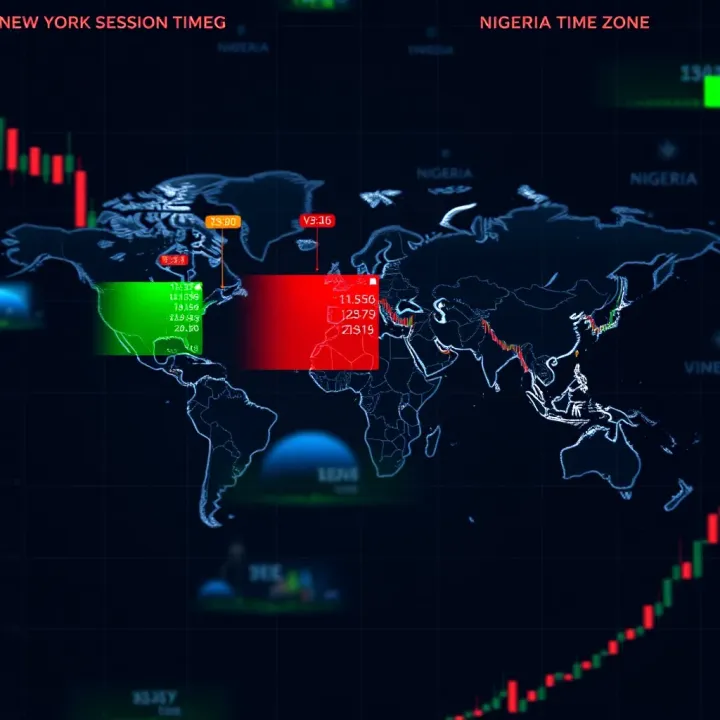
Liquidity peaks during the New York session as it overlaps with the London session in the morning hours (WAT). This overlap creates intense trading activity because large banks, hedge funds, and institutional investors from both financial hubs are active simultaneously. For example, from 1 pm to 4 pm WAT, the market often experiences tighter bid-ask spreads and increased order flow, benefiting traders looking for better execution.
The practical relevance of this high liquidity is clear: trades tend to fill more quickly, with less slippage compared to quieter periods. Nigerian traders, particularly those using intraday strategies, can capitalise on this to enter and exit positions with improved pricing dynamics. However, high activity also means sharper price moves, demanding careful risk management.
When comparing the New York session to the London and Asian sessions, we notice distinct differences. The Asian session, centred around Tokyo and Hong Kong time zones, generally features lower volume and liquidity, making price movements more subdued. The London session, on the other hand, is known for kickstarting major trends due to its central location bridging Asia and America.
The New York session, by contrast, is often where trends established earlier in the day consolidate or reverse. It is also when volatility spikes due to US economic news reports. For Nigerian traders operating in West Africa Time, recognising these patterns helps optimise trading hours. For instance, while the Asian session covers Nigeria’s late-night hours, the New York session overlaps well with Nigeria’s afternoon and evening, more convenient for active involvement.
The New York session primarily influences pairs involving the US dollar (USD), the world’s reserve currency. Major pairs like EUR/USD, GBP/USD, USD/JPY, and USD/CAD see significant trading volumes during this session. Nigerian traders focusing on USD pairs will find the session's timing crucial for catching meaningful price swings.
USD crosses such as EUR/JPY or GBP/JPY also respond actively due to their USD component. This is especially useful for those who monitor broader market sentiments affecting the dollar’s strength or weakness.
Regarding naira-related trades, the New York session impacts the USD/NGN (United States Dollar/Nigerian Naira) rate indirectly through global dollar movements, oil price changes, and US economic developments. Since Nigeria largely depends on crude oil exports priced in USD, fluctuations in the dollar during the New York session can ripple through to the naira’s value.
For example, if US economic data releases a stronger dollar outlook, the naira might weaken because of increased demand for USD in Nigeria. Traders aware of this connection can time their activities around the session to manage currency risk better or seize arbitrage opportunities between official and parallel markets.
The New York trading session offers Nigerian traders a prime window where liquidity, market activity, and influential currency pairs converge. Knowing its characteristics helps in choosing the right moments to engage the market and manage exposure wisely.
Understanding market behaviour during the New York forex session is essential for traders, investors, and financial analysts, especially those operating from Nigeria. This session sees considerable activity affecting volatility, price swings, and liquidity, largely driven by economic factors and market participants in the US. Getting a grip on these behaviours helps Nigerian traders plan their strategies better, especially considering the time difference and local factors like generator costs or daily schedules.
Price swings tend to intensify during the overlap of the New York and London trading sessions. This usually happens between 2:00 pm and 4:00 pm WAT, when both markets are active. These hours are notable because the combined liquidity from two major financial centres creates sudden price movements. For example, during this period, USD pairs such as EUR/USD or USD/NGN can show rapid fluctuations, offering opportunities for short-term traders but also risks for the less prepared.
Another spike in volatility occurs early in the New York session, right after 12:00 pm WAT when the market opens. Traders often react strongly as new orders come in, causing sudden price shifts. Nigerian traders who understand these patterns can adjust their activity, avoiding less favourable times or setting tighter stop-loss orders.
Several factors shape volatility in the New York session. A key driver is the release of US economic data, which often triggers swift responses from forex markets. Political developments, speeches from Federal Reserve officials, or unexpected news can also lead to sharp moves. For instance, if the US Federal Reserve changes its stance on interest rates during a scheduled talk, USD pairs may experience heightened volatility.
Market sentiment plays a role too. Traders react to overnight news from Asia or unexpected results from European markets influencing their position in the New York session. For Nigerian traders, being aware of this dynamic helps in managing risk and spotting potential entries during volatile periods.
The New York session is when many crucial US economic indicators are published. Reports such as Non-Farm Payrolls (NFP), Consumer Price Index (CPI), and Gross Domestic Product (GDP) figures are usually released between 1:30 pm and 3:00 pm WAT. These releases have a direct impact on the strength of the dollar, therefore affecting USD currency pairs and even naira exchange rates.
For instance, a strong NFP report signals job growth in the US economy, typically boosting the USD and causing a dip in pairs like USD/NGN. Nigerian traders watching these releases can anticipate market direction and adapt strategies accordingly.
Successful traders often prepare by reviewing economic calendars and noting scheduled report times. They analyse forecasts versus previous data to gauge potential market reactions. If the CPI inflation rate is expected to rise, traders might anticipate greater USD strength, adjusting their positions ahead of the release.
Using tools like forex news apps familiar to Nigerian traders or setting alerts on platforms such as MetaTrader or TradingView can give early warnings. This preparation allows them to avoid unexpected losses when volatility spikes or to find good entry points when the market reacts strongly. Understanding this keeps trading efficient and protects capital against sudden swings common in the New York session.
For Nigerian traders, syncing local schedules with the high-impact periods of the New York session can mean the difference between making steady profits and unnecessary losses due to unexpected volatility or economic news shocks.
The New York forex session presents unique opportunities and challenges for Nigerian traders. Understanding the best strategies to navigate this session can improve profitability and reduce risks. Since the New York session overlaps with the London session for a few hours and coincides with evening hours in Nigeria, it demands careful planning to maximise trading outcomes while respecting local routines.
Choosing the best time to trade from Nigeria involves recognising when the market is most active. The New York session officially runs from 1:00 pm to 10:00 pm WAT, with peak liquidity occurring between 2:00 pm and 6:00 pm WAT when both New York and London sessions overlap. This window provides the highest volume and tighter spreads, ideal for trading major USD pairs like USD/NGN or EUR/USD. Traders should focus on these hours to catch significant price moves and avoid thin market conditions that increase slippage.
Beyond liquidity, it’s sensible to consider your availability and mental alertness. Mid-afternoon to early evening trading works well because it aligns with standard workday end in Nigeria, allowing room for monitoring without disrupting daily activities.
Balancing forex trading with local lifestyle and routines is crucial. Many Nigerian traders juggle trading with work, family, or school. Since the New York session partly falls in the evening, scheduling trades after work hours prevents burnout and helps maintain discipline. For instance, a teacher or office worker might reserve 2:30 pm to 6:00 pm for trading and analysis, leaving evenings free for personal time. Proper rest and avoiding late-night trades help maintain sharp judgement, especially when the session’s volatility can spike unpredictably.
Handling higher volatility is a key risk during the New York session. Price swings can be sharp due to major U.S. economic data releases, creating profit opportunities and significant risks. Nigerian traders should adopt conservative position sizing during these volatile periods to avoid sudden margin calls. For example, reducing trade size before the U.S. Non-Farm Payroll report can protect capital from erratic spikes.
Setting stops and limits effectively is another core aspect of managing risk. Given the session's potential for rapid price moves, using stop-loss orders prevents large losses if the market turns against a trader. A stop set just beyond key support or resistance levels provides a safety net without closing trades prematurely. Limit orders allow locking in profits when targets are reached. Automated trading platforms popular in Nigeria—such as MetaTrader—support these orders, making risk control more manageable even when the trader needs to step away.
Trading during the New York session calls for a blend of timing, discipline, and smart risk management — especially for Nigerian traders adapting to its unique hours and market mood.
By combining an understanding of peak trading hours with sound risk practices, Nigerian forex traders can turn the New York session to their advantage, enhancing both profitability and long-term sustainability.
Keeping close tabs on the New York forex session requires reliable tools and resources. These help traders spot the best entry points, avoid unfavourable market swings, and align trades with important economic updates. Nigerian traders, dealing with the time difference and local challenges, find these resources invaluable for timing and strategy.
Market timers and economic calendars are staples for any forex trader serious about the New York session. Platforms like MetaTrader and TradingView, widely used by Nigerian traders, offer built-in countdown timers that highlight when the New York session opens and closes. This allows traders to prepare in advance rather than react to sudden price shifts.
Economic calendars, accessible on platforms such as Investing.com or Forex Factory, detail upcoming US economic data releases like CPI figures, job reports, and Federal Reserve announcements. For Nigerian traders, knowing the exact timing (converted to West Africa Time) helps plan trades around these events. Missing these windows can mean losing out on significant volatility spikes, which often present great profit opportunities.
Scheduling trades around session openings and economic events means better risk management. For example, if you anticipate the US jobs report at 2:30 pm WAT, you might avoid opening new positions a few minutes before to reduce exposure to unpredictable price jumps. Similarly, closing or adjusting stop-loss orders around the session's start can prevent whipsaw losses.
Choosing a forex broker that provides swift order execution during the New York session is crucial for Nigerian traders. When markets heat up, delays or slippage on trades can erode gains quickly. Brokers with local servers or excellent connectivity to New York liquidity providers tend to offer superior execution speed.
Look out for brokers known for transparency on spreads and commissions during peak hours. Some brokers widen spreads significantly during the New York session to cover risks from higher volatility. Understanding those costs upfront lets you calculate potential trade profitability more accurately. Brokers like FXTM and HotForex often publish their spread patterns, which helps traders in Nigeria decide when it's cost-effective to trade.
Tracking the New York forex session with the right tools and broker ensures you’re not just guessing but making informed decisions tuned to peak market action.
In short, combining market timers, economic calendars, and a reliable broker with efficient execution sharpens the edge for Nigerian forex traders focusing on the New York trading window. This approach minimises risk and maximises chances of riding the session’s key price swings profitably.
📊 Discover when the New York trading session starts in Nigeria, learn to adjust for daylight saving, and enhance your trading strategies during peak hours.
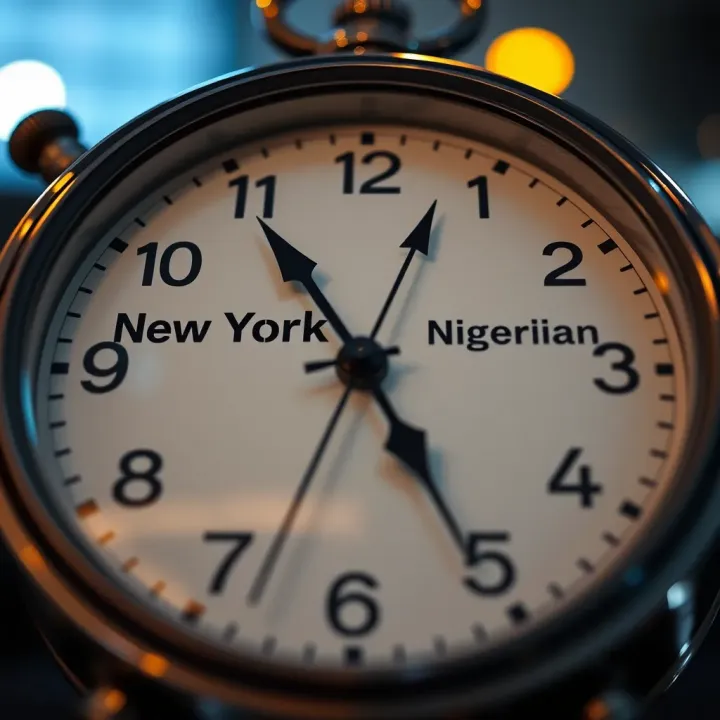
Discover exact New York trading session hours in Nigeria ⏰, how daylight saving affects timing 🕰️, and tips to optimize your forex trades from Lagos to Abuja 🌍💹.
📈 Learn how the Asian trading session times match Nigeria’s clock and get key tips for Nigerian traders to stay ahead in global markets.

📈 Discover the London trading session times in Nigeria, how daylight saving shifts hours, and tips to boost your trading success during this key market period.
Based on 15 reviews