
Best Trading Platforms for Nigerian Traders
Discover how to choose the best trading platform in Nigeria 💹 Compare fees, features, market access & security for smarter trading decisions today!
Edited By
Amelia Clarke
Setting up a personal trading room in Nigeria is more than just finding a corner for your laptop; it’s about creating a space that supports sharp decision-making, quick reactions, and sustained focus. Whether you trade stocks on the Nigerian Stock Exchange (NGX), forex, or cryptocurrencies via platforms like Binance or Luno, the environment you trade in can directly impact performance.
Since power outages, internet stability, and security remain real challenges here, your trading room must be tailored with practical solutions that fit local conditions. A well-organised space equipped with reliable gadgets and clear networking can help you avoid costly mistakes and stay ahead.
A personal trading room isn’t a luxury—it’s a vital workplace where every detail, from lighting to ergonomics, can affect your trading success.
Here’s what to consider in setting up a trading room:
Location & Security: Choose a quiet, secure spot away from distractions and potential theft risks common in many Nigerian urban areas. If possible, a room with a lock and limited foot traffic helps protect your devices and data.
Internet Connectivity: A stable, fast internet connection is non-negotiable for live trading. You might want to subscribe to fibre optic broadband from providers like MainOne or Spectranet, and have a mobile network backup (MTN or Airtel 4G) in case of downtime.
Power Supply: Given the erratic power situation, install a UPS (uninterruptible power supply) and a small generator or inverter system. This helps maintain devices during outages, preventing unexpected trade interruptions.
Hardware Setup: Invest in a good laptop or desktop with at least 8GB RAM and a solid-state drive (SSD). Dual monitors are recommended to track multiple charts or news feeds without juggling tabs.
Ergonomics & Lighting: Proper desk height, comfortable chair, and adequate lighting reduce fatigue over long sessions. LED bulbs with warm light mimic daylight better and reduce eye strain.
Noise Control: If your neighbourhood is noisy, consider noise-cancelling headphones or simple soundproofing like thick curtains to improve concentration.
Software & Tools: Install trusted trading platforms such as MT4/MT5, Binance app, or broker-specific tools. Use local financial news apps like BusinessDay or Nairametrics for timely market updates.
This preparation lays the groundwork for a trading room that meets Nigerian realities while empowering you to navigate markets confidently.
Picking the right spot for your trading room sets the stage for effective decision-making and sharp focus. In Nigeria’s bustling environments, distractions lurk everywhere—from noisy neighbours to unpredictable power supply. Your location should help you fight these challenges so you can concentrate fully on trading stocks, forex, or crypto without constant interruptions.
Noise can seriously drain your concentration, making it harder to track fast-moving markets. If your trading room is near busy roads or rundown markets where danfo buses honk regularly, expect distractions. Choosing a room that faces away from major streets or installing soundproofing like thick curtains or foam panels can reduce such background noise. For example, a room on the far side of a Lagos flat that doesn’t face the main street is often much calmer.
In many Nigerian homes, family members or maintenance workers might wander in unexpectedly. This disrupts your workflow at critical market moments. Designate a specific room with a lockable door if possible, and communicate clearly with housemates about your trading hours to minimise interruptions. Setting a “do not disturb” sign outside can help, especially during the morning market opening hours when volatility peaks.
Natural light is great but can cause screen glare, which strains your eyes. Nigerian daylight varies with season but can be very bright by mid-morning. Position your desk so windows provide indirect light, or use blinds to soften harsh rays. In the evenings, invest in adjustable LED lamps with warm light to prevent headaches during long trading sessions. Balanced lighting keeps you alert without causing discomfort.
Frequent power outages are a reality in Nigeria that disrupt trading unless you have backups. Generators and inverters are vital for keeping your trading devices running smoothly. While generators provide strong power, they’re noisy and consume fuel. Inverters paired with deep-cycle batteries offer quieter, more consistent backup but need careful planning and investment.
Plan around peak outage times that affect your area – these might coincide with disk load shedding or local grid failures. Use power monitors or smartphone apps to track outage durations and adapt your trading schedule or backup use accordingly. Some traders even pair multiple power solutions for seamless switchover.
Backup power solutions add to expenses. Generators require fuel, which fluctuates in price, while inverters’ upfront costs can range from ₦40,000 to ₦150,000 depending on capacity. Factor in maintenance costs as well. Choosing energy-efficient equipment helps reduce the power load and long-term costs.
Having a quiet, well-lit, and power-secure location is not a luxury but a necessity for traders wanting to stay ahead in Nigeria's fast-moving markets. Small investments here pay big dividends in focus and execution precision.
By considering noise, interruptions, lighting, and power supply carefully, you build a trading room that supports rigorous analysis and timely actions in the Nigerian trading environment.
Setting up the right equipment in your trading room can make or break your trading experience. Reliable devices and secure internet access directly affect how quickly you respond to market moves and execute trades. In Nigeria, where power fluctuations and infrastructural issues are common, choosing suitable gadgets tailored to these conditions is essential for consistent performance.
A desktop offers more power and screen space, which benefits traders needing multiple applications and fast processing power for charting and analysis. However, desktops require stable power and space, which might be challenging in some Nigerian homes. Laptops provide flexibility and portability, making them a good choice if you need to move your setup or trade from different locations, such as the office or a cybercafé during power outages.
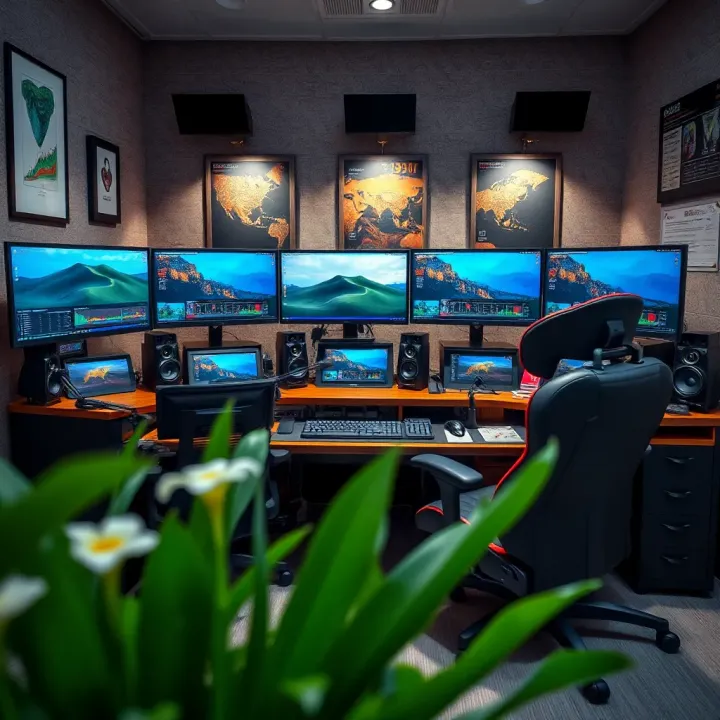
Stock, forex, or crypto traders often juggle multiple platforms, charts, and news feeds. A dual or triple monitor setup will improve efficiency by displaying more data at once without constantly switching tabs. For example, one screen can show your trading platform, another for market news, and a third for technical analysis tools or messaging apps. The larger and higher resolution your monitors, the better the clarity, especially during long trading sessions.
Tokunbo computers and monitors are more budget-friendly and widely available in Nigerian markets; many offer quality performance when sourced carefully. The downside is the shorter lifespan and occasional failure due to age or previous wear. New devices carry higher upfront cost but generally have better warranties, greater reliability and updated features. Weigh your budget and trading intensity when deciding—casual traders might find tokunbo options adequate, while high-frequency traders should invest in new equipment.
Internet speed and stability are fundamental for timely trade executions. MTN, Glo, Airtel, and 9mobile offer various packages, but their service quality varies across Nigerian regions. Traders should test connectivity during different times to avoid peak-hour slowness. Fixed broadband (DSL or fibre) generally provides steadier speeds, but mobile data can be a handy backup when power or fixed lines fail.
Protecting your trading data from hackers is crucial. Set your Wi-Fi router with strong passwords and use WPA3 encryption where available. Change default router settings and avoid sharing your network credentials widely, especially in shared living spaces common in Lagos or Abuja. Regularly update router firmware to patch vulnerabilities.
VPNs (Virtual Private Networks) add a layer of security by encrypting your online activity, essential when trading on public networks such as in hotels or cafes. Nigerian traders should also install reputable antivirus software and firewall protection to safeguard sensitive information like bank details and login credentials. Regular backups and password changes help mitigate risks from cyber attacks or data loss.
Reliable equipment and secure connections enhance your ability to react promptly and safeguard your funds, making them indispensable for every trader serious about success in Nigeria’s dynamic markets.
A well-organised trading workspace significantly improves concentration and reduces fatigue during those intense sessions following the Nigerian Stock Exchange or forex market hours. Comfort and efficiency not only support your physical health but also enhance your ability to react quickly to market fluctuations. This means less distraction and better control over your trading decisions.
Picking suitable furniture is key for traders who spend hours in front of their screens. An adjustable chair with good lumbar support helps prevent back pain, which is common when sitting for extended periods. Meanwhile, a desk with enough surface area to hold multiple monitors, a keyboard, and other accessories ensures your setup feels organised, not cramped. For example, a desk height of 70–75 cm tends to suit the average height, but confirmation by personal comfort is best.
Tangled cables not only look messy but can create distractions and even safety hazards. Using cable organisers or clips keeps wires from internet routers, power sources, and computers neatly bundled. This reduces clutter and makes cleaning easier, which is important in Nigerian homes where dust can build-up quickly. Clutter-free spaces are proven to improve focus, a big plus when monitoring fast-moving market data.
Trading often happens during both the day and evening, so a balance of natural and artificial light is vital. Positioning your desk near a window helps you capitalise on daylight, which reduces eye strain and saves on electricity costs in Nigeria where power may be limited. For night trading or gloomy days, adjustable LED lamps with warm tones can reduce glare on screens. Avoid overhead fluorescent bulbs, which cause fatigue and headaches.
Selecting broker platforms that support Nigerian market instruments streamlines your trading. Popular ones include GTI Securities and Meristem Securities, which allow direct access to the NGX and local forex markets. Integration with reliable mobile apps helps you stay updated even outside your trading room, which is useful during ember months when distractions increase.
Using charting software like MetaTrader 4, TradingView, or ProRealTime with access to Plug and Play news feeds keeps you informed on market trends. Real-time data is critical when trading volatile assets such as cryptocurrencies or Nigerian government bonds. Incorporating local economic news from sources like BusinessDay or Punch ensures you won’t miss events that might impact the naira or equities.
Power fluctuations and internet disruptions are common in Nigeria, so backup solutions protect your trading data. External hard drives and cloud storage services (Google Drive, Dropbox) keep copies of trade histories and software settings. Also, power banks or uninterruptible power supplies (UPS) ensure your equipment stays on during short outages, helping you close positions without loss.
Creating a comfortable, orderly workspace tailored to Nigerian conditions boosts your trading efficiency and safeguards your investment decisions.
Effective organisation is not just about neatness; it's a practical edge in the competitive trading environment. Aim to combine ergonomic furniture with smart cable management and balanced lighting. Choose software and brokerage tools that align with Nigerian markets and have robust backup plans to minimise risks. This approach will keep you sharp and ready to act swiftly in any market condition.
Managing risks and security in your trading room is not just about protecting your equipment but also safeguarding your financial data and future trading capacity. In a Nigerian context where electricity faults and occasional security challenges can arise, taking these precautions seriously is a wise investment for anyone who wants a reliable trading setup.
Your trading room likely contains expensive computers, multiple monitors, and other tech that attracts attention. If your home is in a busy or less secure neighbourhood, installing good locks, and better yet, a security alarm system, can deter theft. Many Nigerian traders also rely on CCTV cameras to watch over their space, particularly when away. For example, someone living in an apartment in Lagos mainland might find adding a steel security gate or reinforcing windows helps prevent break-ins during the ember months when crime rates reportedly spike.
Cybersecurity cannot be overstated. With many transactions happening online, a reputable antivirus program and a firewall protect your trading system from malware and hacking attempts. Nigerian traders should opt for software updates from trusted vendors and avoid unsecured networks, especially public Wi-Fi spots commonly found in markets or internet cafes. A solid firewall adds an extra layer by filtering out suspicious traffic and stopping unauthorised access to your data.
Outdated software is an open door for cybercriminals. Regular updates patch vulnerabilities and keep your trading platform, operating system, and antivirus at their best. Nigerian traders should also practise strong password habits—using complex, unique passwords for trading accounts and changing them often. Employing password managers can ease this process. For instance, changing your online broker password quarterly reduces risk, especially if you trade via apps on mobile devices.
One easy way to control your trading finances is to keep trading capital in a dedicated bank account separate from your everyday spending money. This separation helps avoid accidental spending of trading funds and simplifies accounting come tax time or financial review. In Nigeria, some traders maintain a primary account with popular banks like GTBank or Access Bank specifically for deposits and withdrawals related to trading.
Running a trading room involves recurring costs, especially for electric power and data. Because of frequent NEPA/DISCO outages, many traders incur fuel costs for generators, which can push monthly expenses up. Monitoring these regularly helps you identify if your setup stays sustainable or if you need to adjust your budget. For example, tracking your Airtel internet usage alongside generator fuel spend gives a clearer picture of your total operational cost.
The Nigerian market, much like other emerging markets, can be volatile. Planning for moments when prices swing drastically—either upward or downward—means having stop-loss orders or exit strategies in place to protect your capital. Additionally, keeping some liquidity aside allows you to react swiftly without impacting your daily finances. This disciplined financial buffer is crucial, especially during unpredictable periods, such as political changes or global economic shifts that affect the naira.
Secure your trading space and finances like you would your own home and future. The double-layered approach of physical security and financial planning strengthens your ability to trade confidently and sustainably in Nigeria.
This balanced focus on equipment safety and financial discipline ensures your personal trading room remains a productive space where risks are managed intelligently.
Budgeting is a vital step for Nigerian traders looking to set up a personal trading room without draining resources unnecessarily. Given the high costs of equipment, internet, and power supply in cities like Lagos and Abuja, smart budgeting can make the difference between operating smoothly and struggling with constant interruptions. Besides, controlling expenses ensures you reinvest profits wisely, especially when trading volatile assets like stocks and forex.
Affordable Options for Equipment
The first major cost involves equipment such as computers, monitors, and networking devices. Tokunbo (second-hand) gadgets, for example, can offer good value without compromising too much on performance. A tokunbo desktop with decent specs might cost around ₦50,000 to ₦80,000 depending on the market, while new models can leap to ₦150,000 and above. Exploring Lagos's Computer Village or Abuja's Wuse Market can reveal affordable deals tailored to trading needs.
Balancing Quality and Cost
While pinching pennies is necessary, sacrificing quality may backfire. A lagging computer or unstable internet defeats the purpose of setting a focused trading area. Prioritising core devices with a reputation for reliability—like brands such as HP, Dell, or Tecno for smartphones—is wise. Think of the investment as one that keeps your setups stable during crucial trading hours, thus preventing losses caused by technical glitches.
Where to Buy in Lagos, Abuja, and Other Nigerian Cities
Lagos's Computer Village offers a wide range of new and tokunbo equipment, often at competitive prices due to intense market competition. Abuja’s Wuse Market also serves as a solid alternative for traders in the North-Central region. Emerging cities like Port Harcourt and Ibadan have growing tech hubs where traders can access quality gear without the hassle of long travels. Checking local deals, verifying sellers, and negotiating ensures you get the best price without falling victim to scams.
Managing Data Plans and Choosing Cost-Effective ISPs
Internet cost is a heavy part of monthly expenses. Traders using platforms like MTN, Airtel, or Glo often pay high prices for data that might not always be reliable. Bundling plans with broadband providers like Spectranet or Smile Communications can save money, offering more stable connections suitable for live trades. Using Wi-Fi during peak data hours and switching to mobile data only when necessary helps stretch data allowances.
Power Consumption and Generator Fuel Costs
Power is another cost driver. Frequent outages from DISCOs require alternative solutions like generators or inverters. Generators add cost not just from purchase but from fuel consumption—running a petrol generator for six hours daily may add up to ₦2,000-₦3,000 weekly on fuel alone. Investing in an efficient inverter system with batteries may reduce fuel expenses over time and provide quieter operation, improving concentration.
Using Free or Low-Cost Software Tools
Many paid trading tools are available overseas, but Nigerian traders can start with free or low-cost software like MetaTrader 4, TradingView (free tier), or web-based charting platforms. These provide ample features for effective market analysis without inflating monthly expenses. Combining free news feeds from sources like Bloomberg or CNBC Africa also ensures you stay updated without recurring subscription fees.
Effective budgeting and trimming unnecessary costs empower Nigerian traders to focus on what really counts: smart trades and steady growth. Ensuring financial control also prepares you for unpredictable expenses common in the local environment, such as ember months surcharges or sudden fuel price hikes.
Discover how to choose the best trading platform in Nigeria 💹 Compare fees, features, market access & security for smarter trading decisions today!
📱 Find out how to pick the best trading app in Nigeria by comparing features, cost, and security. Make smart choices for your investments today!
🔍 Find the best trading broker in Nigeria with our practical guide! Learn how to pick reliable brokers, compare options, and start trading confidently today.
Discover how to pick the best online trading platform in Nigeria 📊. Learn key features, compare top sites, and trade securely with confidence ✅.
Based on 6 reviews