

Understanding Indices Trading for Nigerian Investors
📈 Understand indices trading in Nigeria: learn key market indices, trading methods, risks & benefits, broker choices, and clear steps to start investing confidently today.
Edited By
Michael Burns
Trading cryptocurrency in Nigeria has become a viable way to diversify investment portfolios beyond traditional means. With increased smartphone penetration, cheaper internet data, and growing interest in digital assets, many Nigerians are now venturing into crypto trading to grow their wealth.
Before you dive in, it's crucial to understand how the Nigerian market differs from global counterparts. The naira’s volatility, periodic foreign exchange restrictions, and a developing regulatory framework all add complexity to trading. Still, platforms like Binance Nigeria, Quidax, and Luno offer tailored services to navigate these challenges.
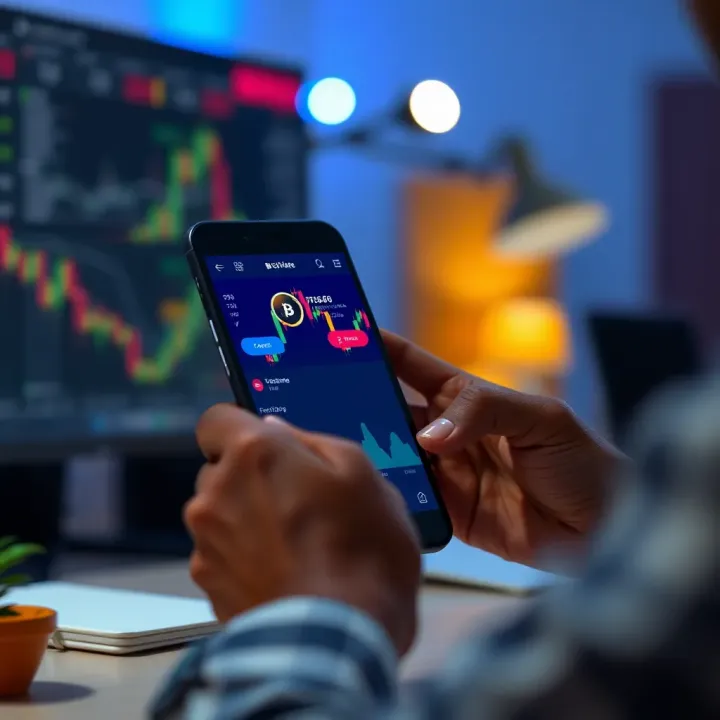
Understanding market dynamics is key. Crypto prices react swiftly to global events and local policies. For instance, when the Central Bank of Nigeria (CBN) imposed restrictions on banks facilitating crypto transactions in 2021, the market experienced liquidity squeezes, affecting prices and trader behaviour. Keeping up with such developments informs better timing and decision-making.
Not all crypto exchanges perform the same in Nigeria. Consider these factors:
Liquidity: Higher liquidity reduces price slippage, especially when trading large volumes.
User Experience: Platforms with simplified interfaces and responsive customer support reduce friction.
Security: Look for robust security features like two-factor authentication and cold storage.
Naira On/Off Ramps: Ease of converting naira to crypto and back is vital. Services integrated with local banks speed up deposits and withdrawals.
Cryptocurrency markets remain highly volatile. Nigerian traders need strict risk management to avoid severe losses:
Never invest more than you can afford to lose. Start with smaller amounts before scaling up.
Set stop-loss orders to limit downside risks.
Diversify holdings instead of putting all funds in one token.
Avoid trading based on hype. Conduct due diligence and rely on verified data.
Crypto trading can be profitable but demands discipline and constant vigilance given the fast-changing market conditions.
Overall, trading crypto in Nigeria requires awareness of local nuances, reliable platform selection, and sound risk strategies. The following sections will explore legal aspects, market tools, and detailed tips to strengthen your trading approach.
Starting with cryptocurrency trading means understanding the nuts and bolts of how digital currencies work and why they matter, especially in Nigeria’s fast-changing financial environment. It’s key because the crypto market moves swiftly and can be quite different from traditional investments you might be used to. Whether you’re a trader or investor, knowing the basics helps you avoid costly mistakes and seize real opportunities.
Cryptocurrency trading involves buying and selling digital currencies like Bitcoin or Ethereum, aiming to profit from price changes. Unlike simply holding coins for the long term, trading means actively exchanging cryptocurrencies over short periods, sometimes within minutes or days. This dynamic requires a solid grip on market trends and quick decision-making.
Trading is different from investing mainly in timeframe and approach. Investors tend to buy and hold cryptocurrencies for years, hoping their value will grow steadily. Traders, on the other hand, seek to capitalise on frequent price swings by entering and exiting positions regularly. For example, a trader might buy Bitcoin in the morning and sell it by afternoon if they spot an upward trend, while an investor could hold Bitcoin for years despite short-term dips.
Nigeria’s crypto scene is dominated by Bitcoin and Ethereum, the two biggest players globally. Bitcoin is widely seen as digital gold, a store of value that many Nigerians use to hedge against naira inflation. Ethereum offers more than just a currency; its blockchain allows development of apps and smart contracts, making it central to decentralised finance (DeFi) activities that have gained significant traction here, including on platforms like Binance and Quidax.
Stablecoins such as Tether (USDT) and USD Coin (USDC) are vital for Nigerian traders who want to reduce their exposure to volatile crypto prices. These coins peg to the US dollar, providing a safer harbour during market turbulence. For example, during naira volatility or local instability, many traders move to USDT to lock in value without cashing out to fiat, making trading faster and cheaper.
Local tokens and emerging coins reflect Nigeria’s growing innovation in crypto. Some tokens focus on easing remittances or supporting local projects. An example is the eNaira, Nigeria’s central bank digital currency, which aims to modernise payments within the economy. Other community-driven tokens might power specific apps or services but require caution since many are prone to pump-and-dump and lack strong regulatory backing yet.
Starting smart means choosing your entry points carefully and understanding the cryptocurrency you’re dealing with. Knowledge saves you from plenty of grief down the road.
By getting these foundations right, you’ll be better set to navigate Nigeria’s sometimes choppy crypto markets with confidence.
Selecting a dependable crypto trading platform is fundamental in Nigeria’s growing but sometimes unpredictable digital currency market. The right platform shapes how easily you buy, sell, and manage your crypto assets while securing your investments from theft or loss. Beyond ease of use, traders should prioritise security features, compliance with local regulations, and the availability of preferred coins.
Local exchanges such as BuyCoins and Bundle have gained traction because they cater directly to Nigerian users, offering naira trading pairs and easy deposit methods. BuyCoins, for instance, allows instant naira deposits via bank transfers or USSD, which is critical given the fluctuating naira and customer preference for quick transactions. These platforms often boast less complex requirements for account setup, making them ideal for beginners who want a straightforward experience.
Additionally, these local services sometimes provide wallet functionality integrated within the app, reducing the need for external wallets. That simplifies the trading process but requires users to trust the platform’s security protocols fully. Since Nigerian crypto regulation remains in flux, local platforms tend to work closer with regulatory bodies, which can reassure traders worried about compliance.
Many Nigerians also turn to established international exchanges like Binance, Coinbase, and KuCoin owing to their vast coin selections, liquidity, and advanced trading tools. These platforms offer global market exposure and higher trading volumes, which can aid in better price discovery and lower transaction spreads.
However, international exchanges require special attention to verification rules and withdrawal processes. Some exchanges have paused direct naira deposits due to CBN policies, pushing Nigerians to rely on peer-to-peer (P2P) options or stablecoins like USDT to fund accounts. Therefore, it's crucial for traders on these platforms to understand local limitations and use trusted channels for funding and withdrawals.
Crypto platforms’ security is paramount due to the prevalence of hacks and scams. Using exchanges that support standard security protocols like two-factor authentication (2FA) can drastically reduce the risk of unauthorised access. For example, enabling 2FA through apps like Google Authenticator or SMS codes adds a vital extra step that protects users’ funds.
Moreover, many Nigerian traders use cold wallets or hardware wallets for long-term storage of cryptocurrencies. While exchanges can hold your funds for quick trades, keeping large balances offline mitigates the risk presented by online vulnerabilities like phishing or exchange outages.
Most reputable Nigerian crypto platforms require Know Your Customer (KYC) verification, including Bank Verification Number (BVN) linkage. This process helps prevent fraud and money laundering, aligning with Nigeria’s financial regulations. Although providing BVN may feel intrusive to some, it increases your account’s transaction limits and access to features like fiat deposits and withdrawals.
Verification also enhances platform trustworthiness since it signals adherence to regulatory standards. That said, users should confirm they’re dealing with legitimate sites and not phishing scams when submitting personal details. Always verify the platform’s credentials before sharing sensitive information.
Choosing the right crypto platform means balancing ease of access, security, and regulatory compliance. For Nigerian traders, understanding each platform’s unique strengths and limitations can spell the difference between a smooth trading experience and costly mistakes.
To trade cryptocurrency in Nigeria successfully, you must understand how market forces affect prices and what strategies suit your trading style. Market dynamics explain why prices move up and down, while trading strategies help you make informed decisions that protect your investment and improve your chances of profit. Without grasping these core ideas, you risk losing money to sudden market swings or poor timing.
Cryptocurrency prices primarily respond to supply and demand, just like any other asset. When demand rises — say, more Nigerians start buying Bitcoin due to global interest or local trends — prices typically climb. Conversely, if people rush to sell, prices drop. This isn’t just about numbers; it reflects market sentiment, which includes traders’ emotions and beliefs about a coin’s future.
For example, when a popular influencer endorses a coin or a local business announces it accepts crypto payments, demand can jump quickly. On the flip side, fears about government restrictions or hacking incidents often trigger selling sprees. Nigerian traders should watch these signals closely since sentiment swings tend to create short-term volatility ripe for trading opportunities.
News moves crypto markets more sharply than many conventional assets. Headlines about regulatory changes — like the Central Bank of Nigeria’s directives on crypto — can trigger fast price changes. Similarly, global events such as geopolitical tensions, market crashes, or shifts in dollar strength affect cryptocurrencies because many investors see them as alternative assets or hedges.
For instance, during a spike in Nigeria’s naira exchange rate volatility, some investors flock to Bitcoin as a safer store of value, boosting prices. But breaking news about crypto scams or fraud investigations can scare off traders, crashing prices. Staying updated on both Nigerian and global developments is key to anticipating market moves and adjusting your trades accordingly.
Day trading involves buying and selling crypto within the same day to capitalise on small price moves. It requires close market monitoring and quick decisions, ideal for traders who can dedicate time and handle fast pace. Swing trading, on the other hand, holds positions for days or weeks, catching medium-term trends and reducing the stress of constant monitoring.
A new trader might start with swing trading to avoid burnout from hourly market fluctuations. For example, buying Ethereum and waiting for it to appreciate over a week or two before selling can be less intense but still profitable if timed right.
Technical analysis (TA) involves studying price charts and indicators to forecast future movements. For beginners, tools like moving averages, Relative Strength Index (RSI), and volume trends provide clues about buying or selling pressure. Nigerian traders can use platforms like Binance or Luno, which offer integrated charting tools, to spot patterns indicating momentum or reversals.
Although TA isn’t foolproof, combining it with news awareness improves decision-making. For example, if RSI shows a coin is oversold and impending favourable news is expected, it might be a good buy point.
Managing risk is crucial, and stop-loss and take-profit orders help automate this. A stop-loss limits your loss by selling the asset once it hits a specified low price, while a take-profit locks in gains by selling at a desired high price.
If you buy Bitcoin at ₦10 million hoping it climbs, setting a stop-loss at ₦9.5 million prevents deeper losses if the market tanks. Similarly, take-profit at ₦11 million ensures you don’t miss locking gains amid sudden drops. Using these tools stops emotional trading and safeguards your capital, a must for traders in volatile markets like Nigeria’s crypto scene.
Understanding the market’s rhythm and using clear strategies can make cryptocurrency trading in Nigeria less risky and more rewarding. Start slow, keep learning, and use tools that match your comfort level and goals.
Handling risks properly is a must for anyone trading cryptocurrency in Nigeria. With the market’s unpredictable swings and cases of fraud, protecting your investments safeguards not only your capital but also your peace of mind. Understanding risks and having clear strategies help you avoid costly mistakes and build a resilient portfolio over time.
Cryptocurrency prices can shift dramatically within hours or even minutes. For example, Bitcoin might drop by 10% in a single day due to global news or regulatory updates. This volatility means traders can gain good profits, but losses also come quickly if you’re unprepared. In Nigeria’s context, exchange rate pressures and local economic changes often add extra volatility, making it crucial to stay alert and have clear exit plans.
Scam risks are high in Nigerian crypto trading. Cases of fake exchanges, Ponzi schemes, and phishing attacks have been reported severally. Unsuspecting traders sometimes lose ₦100,000 or more through unverified apps or social media offers promising unrealistically high returns. Being cautious about where you trade, verifying platform credentials, and avoiding deals that sound too good to be true can protect you from falling victim to fraud.
Don’t put all your naira in a single crypto asset. Spreading your investment across Bitcoin, Ethereum, stablecoins like USDT, and reliable local tokens reduces exposure to sudden crashes. If one coin drops sharply, others might stay stable or even rise, helping cushion your overall portfolio. Many traders allocate no more than 20–30% in volatile coins and keep the rest in more stable assets.
This is a simple rule but often overlooked. Crypto markets can be unforgiving, so use funds earmarked strictly for trading or investment, not money for essentials like rent or school fees. For example, if you have ₦500,000 for trading, consider risking just a fraction, like ₦50,000 at a time. This approach lessens psychological pressure and helps you make clear-headed decisions rather than desperate moves.
Crypto is an evolving space; new regulations, technologies, and trading tools emerge often. Traders who read updates from reliable sources like the Central Bank of Nigeria (CBN), trusted exchanges, or financial news platforms stay ahead. Continuous learning also involves re-examining your trading strategies after major events like naira fluctuation or announcements from SEC Nigeria. Staying informed sharpens your decision-making and guards against outdated practices.
Protecting your investments is not about avoiding risks completely but managing risks wisely to trade confidently and sustainably.
By following these risk management practices, you build a strong foundation that can withstand the ups and downs of Nigeria’s crypto market. Practical vigilance and discipline go a long way in turning volatile crypto trading into a viable opportunity for wealth building.
Understanding Nigeria’s regulatory environment for cryptocurrency trading is essential for anyone involved in the market. The legal landscape affects how exchanges operate, the security of your investments, and your obligations as a trader. Since regulatory decisions can influence market behaviour, staying informed helps you navigate risks and avoid penalties.
The Central Bank of Nigeria (CBN) has taken a cautious approach to cryptocurrencies. Since early 2021, the CBN banned financial institutions from dealing with crypto exchanges or facilitating crypto transactions. This means Nigerian banks cannot directly support crypto trading platforms or process payments for crypto deals.
Practically, this policy forces traders to use alternative methods like peer-to-peer (P2P) platforms or fintech wallets that do not rely on traditional banks. For example, platforms such as Binance P2P and local services like BuyCoins use these workarounds to keep trades flowing. However, this environment also raises risks, such as delays in payments or challenges with dispute resolution.
Restrictions from the CBN have led to some exchanges relocating or adjusting their business models to comply. While some platforms continue to serve Nigerian users, they face challenges around liquidity and user confidence.
For traders, the lack of direct banking support means caution is crucial. You need to carefully verify counterparties on P2P platforms to avoid fraud. Moreover, these policies may contribute to wider volatility, as sudden regulatory shifts can cause uncertainty in the crypto market.
Profits from cryptocurrency trading in Nigeria are taxable under the Income Tax Act. If you make gains from trading or selling cryptocurrencies, you are expected to report these under personal or corporate income tax filings to the Federal Inland Revenue Service (FIRS).
While FIRS has not issued detailed guidance specific to crypto yet, it treats such profits as business income or capital gains depending on your trading activity. Ignoring reporting could lead to penalties or tax audits, especially as the government intensifies efforts to widen the tax net.
To keep compliant, maintain clear records of your trades, including dates, transaction values, and counterparties. Many Nigerian traders use spreadsheets or dedicated crypto portfolio apps to track this information systematically.
Also, consider engaging a tax professional familiar with digital assets in Nigeria. They can help you identify allowable expenses and plan your tax payments to avoid surprises. Being proactive with tax compliance helps you trade confidently and avoid complications with FIRS down the line.
Staying on top of Nigeria’s evolving crypto regulations and tax requirements protects your investments and keeps you trading with peace of mind.
By understanding the regulatory framework and tax responsibilities, Nigerian crypto traders can better manage risks and leverage opportunities in this still-developing market.
📈 Understand indices trading in Nigeria: learn key market indices, trading methods, risks & benefits, broker choices, and clear steps to start investing confidently today.
📱 Find out how to pick the best trading app in Nigeria by comparing features, cost, and security. Make smart choices for your investments today!
🔍 Find the best trading broker in Nigeria with our practical guide! Learn how to pick reliable brokers, compare options, and start trading confidently today.
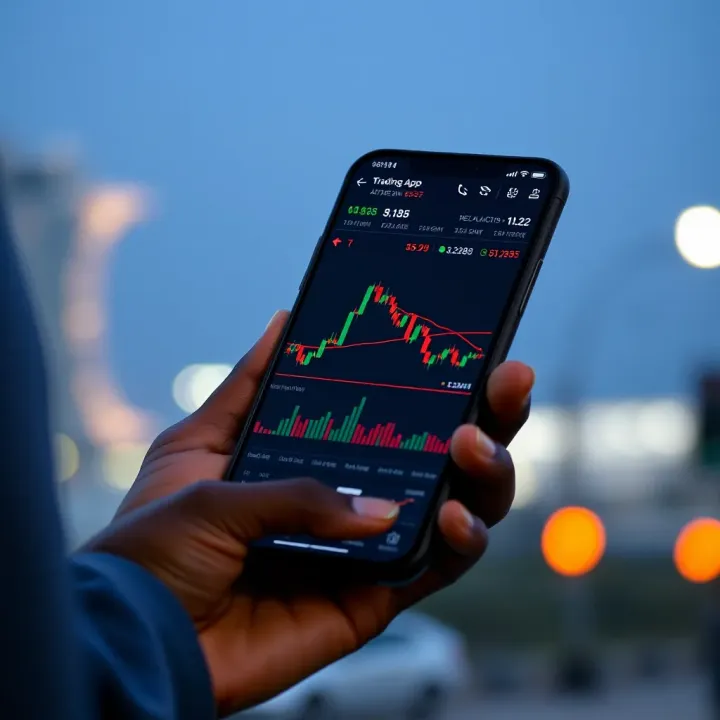
Looking for the best trading app in Nigeria? 📱 Our guide breaks down top app features, costs, security, and markets to match your trading style. 💹🔒
Based on 6 reviews