
How Nigerian Traders Can Use TradingView Effectively
📈 Explore TradingView with this practical guide tailored for Nigerian traders! Learn charting, indicators, and community tips to boost your trading skills. 🇳🇬
Edited By
Amelia Clarke
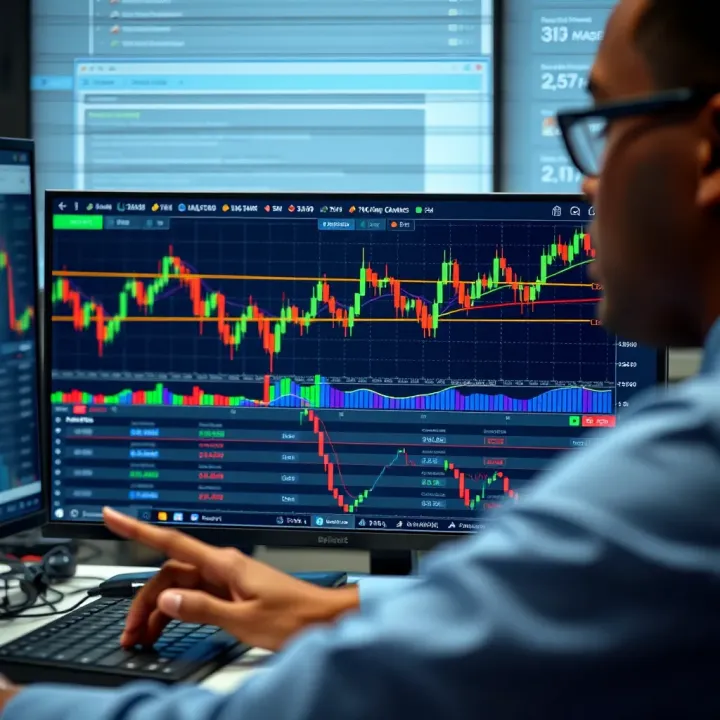
TradingView charts have become a key tool for Nigerian traders aiming to navigate the financial markets confidently. Whether you trade stocks listed on the Nigerian Exchange (NGX), forex on international platforms, or cryptocurrencies via local platforms like Bundle or Binance Nigeria, TradingView provides real-time data and visual tools to sharpen your market analysis.
At its core, TradingView offers interactive charts that display price movements over time, letting you track trends and volatility with ease. Unlike static charts, TradingView updates instantly, so you get fresh market prices that reflect current supply and demand.
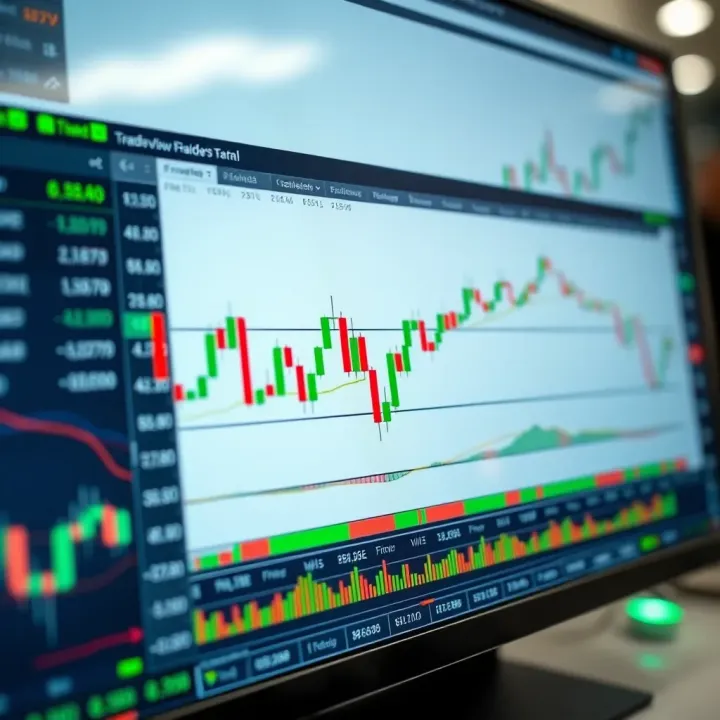
For example, if you’re watching the NGX All-Share Index during market hours, the TradingView chart will show intraday fluctuations that help you decide the best time to enter or exit a trade. This dynamic update is critical in a market prone to sudden shifts, especially during ember months when market activity and speculation tend to spike.
Beyond just price, TradingView charts come with built-in tools for technical analysis like volume bars, moving averages, and the relative strength index (RSI). These indicators help traders in Lagos or Abuja make sense of market momentum and potential reversals, guiding smarter investment choices.
Understanding how to set up and read TradingView charts is a powerful skill that enhances your ability to spot entry points, manage risks, and confirm trading signals.
This guide will walk you through the essential chart features, how to customise setups, add technical indicators suited to your strategy, and use drawing tools to mark support and resistance zones. Armed with these, you can decode market behaviour more effectively and improve your trading outcomes.
In a market environment defined by naira fluctuation, global economic influences, and local corporate earnings reports, having TradingView charts at your fingertips equips you with a practical edge. This is not just about technical jargon; it’s about using clear, actionable visuals to make well-informed decisions that work in Nigeria’s unique financial terrain.
Beginning your journey with TradingView charts is key to unlocking their full potential, especially for Nigerian traders aiming to make sharp, well-informed decisions. This section sets the foundation by covering how to access the platform, understand its purpose, and navigate the interface. With practical knowledge here, you’ll avoid common rookie mistakes like misreading data or wasting time on unnecessary features.
TradingView serves as a global charting platform that is easily accessible for Nigerian users. Its web-based design means you do not need heavy software downloads, which suits the often limited broadband speeds in many cities. Whether you’re trading on a smartphone using MTN’s 4G network or a laptop in Lagos during a power outage, TradingView’s responsiveness remains quite reliable.
Regarding accessibility, the platform offers free accounts with basic features, while premium subscriptions unlock deeper analytics. This tiered system is helpful for traders at different expertise levels and capital sizes in Nigeria.
As for markets, TradingView covers a broad range — from equities listed on the Nigerian Exchange Group (NGX) to international markets like US stocks, forex pairs, commodities, and cryptocurrencies. This diversity benefits Nigerian traders who want to diversify beyond local stocks, especially with the naira’s volatility pushing some toward foreign assets. It means you can track the price of Brent crude oil, BTC/USD rates, or NSE 30 Index all in one place.
Setting up a basic account is straightforward. Simply sign up with your email, create a password, and confirm your details. You’ll immediately gain access to charting tools and data feeds. For Nigerian traders, it’s worth noting this process requires a valid email — some may find using Gmail or Outlook more stable than local providers. Once logged in, you can start opening charts for different securities with ease.
The TradingView chart window breaks down into clear sections for ease of use. At the centre lies the price chart itself, where candlesticks or other chart types plot market moves. Above and beside it, toolbars hold indicators, drawing tools, and settings. Below, you’ll typically see volume bars and other technical data.
Understanding these components is crucial. For instance, the time frame selector — offering intervals from one minute to monthly charts — lets you analyse short-term or long-term trends. Nigerian traders often switch between these depending on whether they’re day trading shares like Airtel Nigeria or investing in long-term positions.
Panels and menus provide access to watchlists, alerts, and economic calendars. The watchlist helps you monitor favourite stocks or forex pairs, while alerts can notify you instantly via email or app notifications when price levels hit certain thresholds — a handy aid for trading amid Lagos traffic or generator noise.
Customising chart layout and themes enhances usability. You can choose dark or light modes depending on your preference or environment, which helps reduce eye strain during late-night analyses. Additionally, you can arrange multiple charts side-by-side to compare assets or different time frames. For example, you might watch the NGX Banking Index on one chart and your selected equities on another.
TradingView’s interface is designed to be intuitive, but trying out the layout and tools hands-on can save you hours of fumbling. Spending time to set your chart preferences pays off in quicker, smarter trading decisions.
By grasping these basics, you are well on your way to confidently using TradingView charts to track market movements and plan your trades effectively in Nigeria’s unique financial environment.
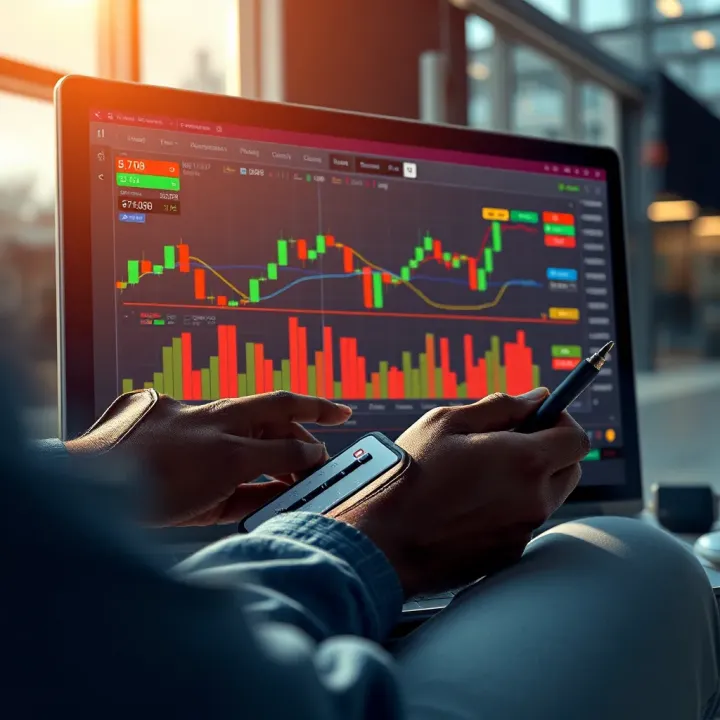
Understanding the various chart types on TradingView helps Nigerian traders pick the right visual tool for analysing different markets. Each chart type offers unique insights, making it vital to know when and how to use them for smarter trading decisions.
Candlestick charts pack price action into individual bars, each reflecting open, high, low, and close prices over a set period. Nigerian traders can spot trends and reversals quickly by reading these patterns. For example, a long green candle after a series of red ones may signal a bullish turnaround in the Nigerian Stock Exchange (NGX) share price.
Reading candlesticks involves recognising patterns like dojis, hammers, or engulfing candles. These clues hint at potential market moves. A hammer candle after a price drop suggests buyer interest, which could mean it’s time to consider entering a position. Traders often rely on these signals to make timely calls amid volatile market sessions.
Candlesticks also mirror market sentiment. A series of bullish candles indicates rising optimism, while clusters of bearish candles show growing fear or selling pressure. In the context of naira-forex trading, spotting sentiment shifts early can help you avoid losses or capitalise before a major move.
Line charts provide a simple, clean view of closing prices over time. They’re useful for newcomers or when you want a straightforward trend picture without noise. For instance, tracking the long-term trend of a blue-chip stock like MTN Nigeria can be easier on line charts.
Bar charts resemble candlesticks but present price data differently and are favoured by some traders for their clarity in volume and price range. Bar charts can be handy during active sessions, like monitoring oil prices relevant to NNPCL traders.
Heikin Ashi charts smooth out price fluctuations by averaging bars, offering a clearer view of trends. Nigerian traders dealing with sudden market shocks or during ember months when volatility spikes may find Heikin Ashi useful to avoid reacting to false signals.
Comparatively, candlesticks deliver detailed price action and sentiment clues, making them popular for short-term trading. Line charts excel in simplicity but may miss intraday nuances. Heikin Ashi smooths volatility, helping traders hold positions longer without panic exits.
Choosing the right chart depends on your strategy and market. Nigerian traders should experiment with all types to match tools with trading style for better outcomes.
In sum, mastering these chart types on TradingView equips you to see the market from different angles, an edge valuable for making confident trades in Nigeria’s dynamic markets.
Technical indicators and drawing tools form the backbone of chart analysis on TradingView. For Nigerian traders, these tools offer practical ways to read market trends, pinpoint entry and exit points, and manage risks effectively. They go beyond simple price movements, helping you gauge market momentum, strength, and potential turning points. Understanding these indicators doubles your chances of making informed decisions in volatile markets.
Moving averages smooth out price data to reveal underlying trends over time. The Simple Moving Average (SMA) calculates the average price over a set number of periods, while the Exponential Moving Average (EMA) gives more weight to recent prices. Nigerian traders often use the 50-day and 200-day moving averages to spot longer-term trends, which is useful for decisions around stocks listed on the Nigerian Stock Exchange (NGX). For instance, when the price crosses above the 200-day SMA, it might signal an upward trend, prompting a buy decision.
The RSI measures the speed and change of price movements, ranging from 0 to 100. Typically, readings above 70 indicate an overbought market, while below 30 points to oversold conditions. Nigerian traders use RSI to identify potential reversals, especially in fast-moving securities like forex pairs (e.g., USD/NGN) and high-volume equities. For example, if the RSI climbs above 70 on a stock like Dangote Cement, traders might prepare to take profits anticipating a pullback.
Bollinger Bands create a price envelope based on standard deviations from a moving average, highlighting volatility. When the price moves close to the upper band, it suggests the asset may be overbought, and near the lower band, oversold. The Moving Average Convergence Divergence (MACD) compares two EMAs to reveal trend strength and possible reversals. Both indicators are popular among Nigerian traders who want to monitor price extremes and momentum shifts in real time. For instance, during high volatility in oil-related stocks, Bollinger Bands help spot breakout opportunities, while MACD crossover signals can confirm trend direction.
Drawing trendlines connects key price points to identify the direction of the market, whether upward, downward, or sideways. Support and resistance levels mark price zones where the market historically reacts, acting as floors or ceilings. Nigerian traders rely heavily on these when trading equities or forex, especially during volatile periods caused by political events or CBN policy changes. For example, a trader might use a rising trendline to hold a buy position on Nigerian Breweries stock, setting a stop below that line.
Fibonacci tools help estimate potential reversal zones by marking key percentages derived from a price swing. Retracement levels like 38.2%, 50%, and 61.8% indicate where price could pull back before continuing a trend. Extensions predict where a trend might extend beyond the previous high or low. This method is practical when trading indices like the NGX All-Share Index, especially after sharp moves during ember months or other market shocks.
Volume alerts notify traders when trading activity spikes, often preceding price moves. Price alerts trigger notifications once an asset hits specific levels, helping Nigerian traders act swiftly without watching screens all day. These alerts are handy during market open and close, and in cases of sudden naira exchange rate shifts, ensuring that you don’t miss critical trading opportunities or risk exposure changes.
Using a combination of technical indicators and drawing tools on TradingView enables Nigerian traders to develop a clear view of market behaviour, improve timing, and protect investments effectively.
Practical tips for trading with TradingView charts are essential for Nigerian traders aiming to make timely decisions and manage risks effectively. These tips help transform the powerful features of TradingView into actionable steps, especially in the fast-moving Nigerian markets where volatility and liquidity shifts often happen unexpectedly.
Alerts in TradingView allow you to mark precise moments when price, indicators, or trend patterns reach points of interest. For example, if you spot an RSI dip below 30—a typical oversold signal—you can set an alert to notify you when it happens. This helps you act fast on potential buy opportunities without constantly staring at your screen. On the flip side, alerts at resistance levels can signal exit points to lock in profits. For traders in Lagos or Abuja who may not always have time on their hands due to daily hustle, these alerts serve as a reliable partner in managing trades remotely.
Stop-loss orders are a practical safety net that restrict losses if the market moves against your position. Setting stop-loss alerts on TradingView lets you monitor automatically when price crosses risk thresholds. For instance, if you buy shares of a Nigerian bank, you can set a stop-loss just below recent support levels to exit if the stock falls unexpectedly. Effectively managing stop-losses reduces emotional trading and major losses, which is critical given Nigeria’s sometimes volatile market conditions influenced by policy changes or foreign exchange fluctuations.
Certain Nigerian brokers now sync well with TradingView, giving traders a seamless way from technical analysis to trade execution. Brokerage firms like Chaka and Trove have interfaces supporting TradingView charts and allow direct trade placement within the platform. This integration offers Nigerian traders the advantage of combining comprehensive chart tools with swift order execution, reducing delays common when switching between apps.
Synchronising your chart setups with actual trading prevents missed opportunities and errors stemming from manual transfers. For example, upon identifying a breakout on a TradingView chart, you can immediately place or modify orders via an integrated broker dashboard. This close loop between analysis and execution is especially valuable when trading high-demand stocks or forex pairs where seconds count. Nigerian traders familiar with the volatility of oil prices or the naira-dollar exchange rate find this synchronization invaluable for quick market responses.
Setting effective alerts and working with brokers that link to TradingView can significantly boost your chances of successful trades while managing risks common in Nigerian markets.
With these practical tips, TradingView transforms from a charting tool to a core element of your trading strategy, giving you an upper hand in reading markets and acting decisively.
📈 Explore TradingView with this practical guide tailored for Nigerian traders! Learn charting, indicators, and community tips to boost your trading skills. 🇳🇬
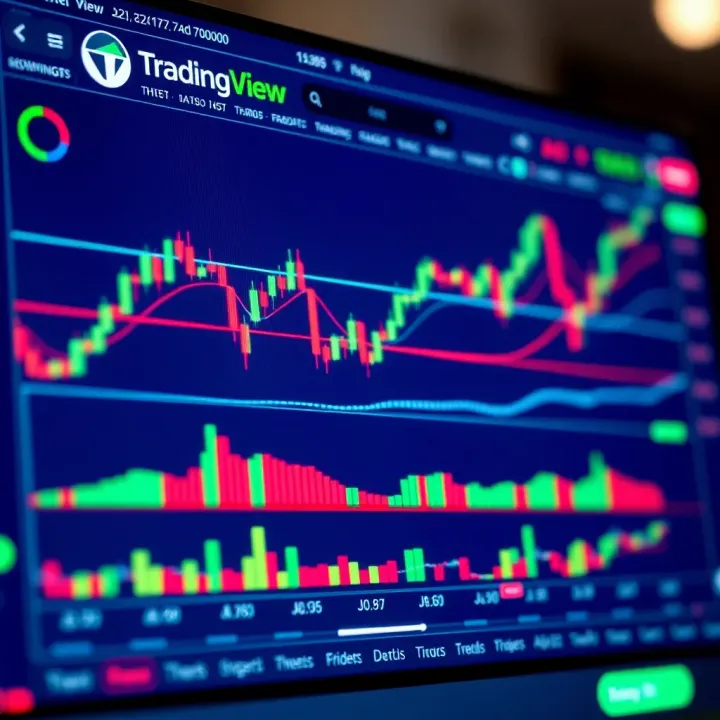
📊 Explore TradingView's features tailored for Nigerian traders! Learn setup tips, custom tools, broker integration & community insights to boost your trades.
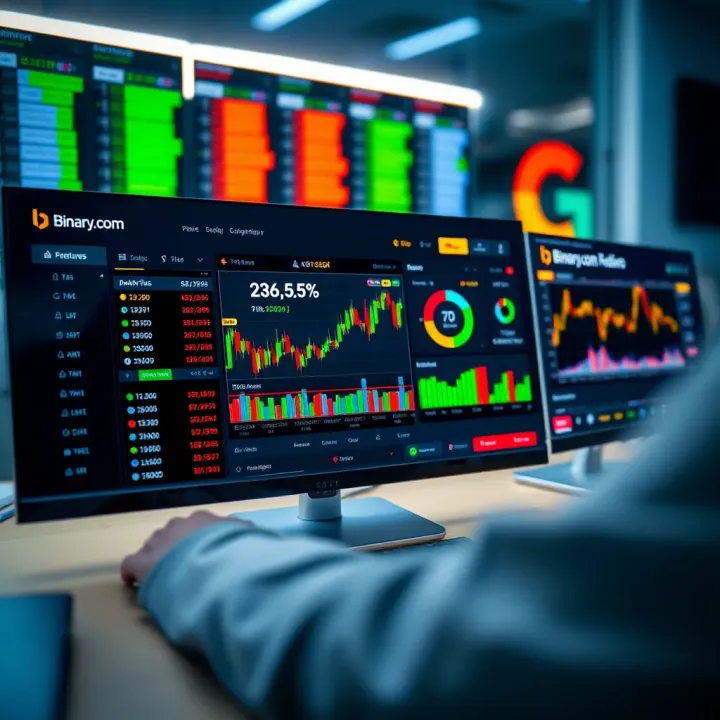
Explore Binary.com with this detailed guide for Nigerian traders 🇳🇬. Learn about trading features, regulations, options, and practical tips before you start 📊.
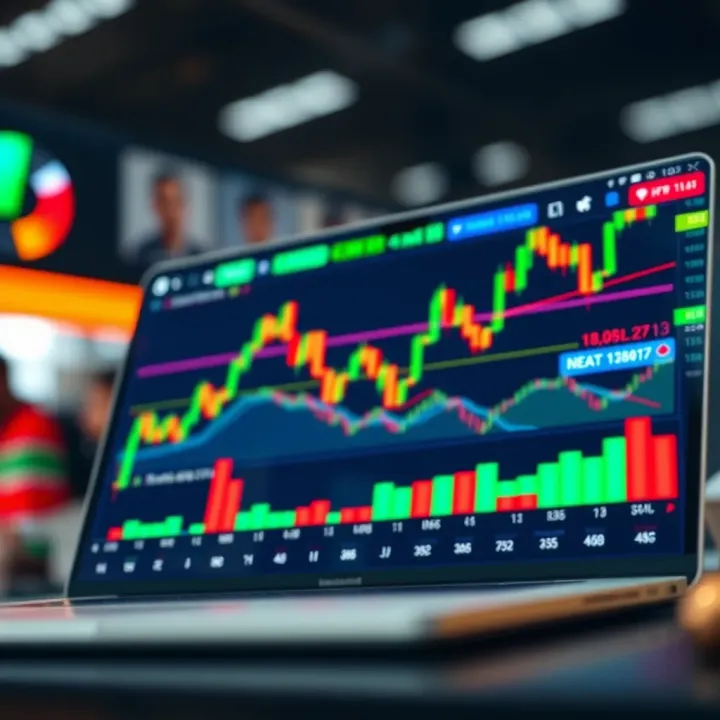
📊 Discover how Nigerian traders can navigate TradingView charts, use tools for smart analysis, and customize real-time data for better market decisions.
Based on 6 reviews