
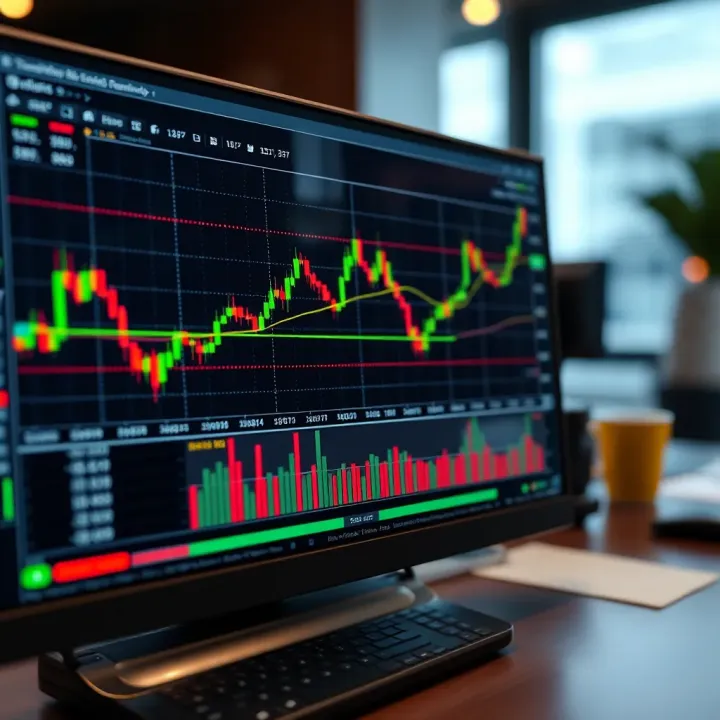
Using TradingView with Deriv: A Guide for Nigerian Traders
📈 Nigerian traders, discover how to boost your skills by combining TradingView's charts with Deriv's platform. Learn setup, integration, and strategy tips! 💹
Edited By
Sophie Middleton
Trading in Nigeria today demands sharp tools and smart strategies, especially with the naira's shifting value and power supply challenges. Deriv, a popular online trading platform, offers users the chance to trade forex, cryptocurrencies, and CFDs. However, many Nigerian traders may find its basic interface limiting when it comes to detailed analysis and charting.
That's where TradingView.com steps in. This platform is well-known worldwide for its powerful charting tools, real-time data, and social trading community. By integrating Deriv with TradingView, Nigerian traders gain access to clearer charts, custom indicators, and better trend analysis — all vital for making informed trades.
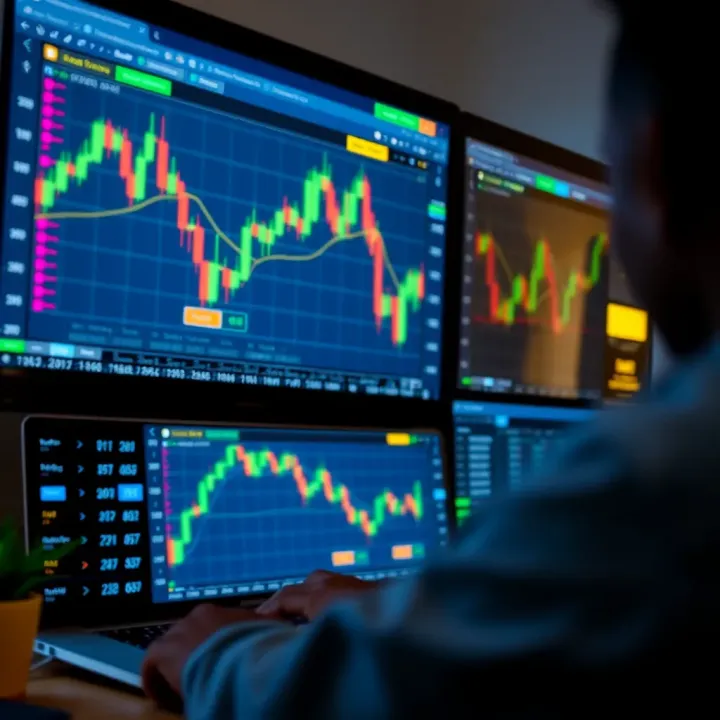
For Nigerian users, using Deriv through TradingView enhances precision and helps navigate local market obstacles like naira volatility and erratic electricity supply.
Improved Charting: TradingView’s charts show multiple time frames and patterns more clearly than Deriv's basic interface.
Custom Indicators: You can apply tailored tools to spot market moves early, crucial for the fast-evolving forex market.
Community Insights: TradingView's forum allows sharing trade ideas, which can be valuable in the Nigerian market.
Power and Internet: Stable power is a concern. Using offline charting features or apps that consume less data can help during outages.
Naira Volatility: Constant exchange rate changes affect your dollar- or pound-based trading accounts. Monitoring currency shifts on TradingView can keep you ahead.
Regulatory Awareness: Ensure you comply with Nigerian regulations by using officially recognised platforms like Deriv.
With this setup, you'll boost your technical analysis skills while managing local challenges effectively. The rest of this guide will take you through the practical steps to connect Deriv with TradingView and make the most of it for your trading goals.
Grasping the basics of Deriv is vital for Nigerian traders aiming to make the most of its features alongside TradingView. Deriv stands out for offering a user-friendly platform that covers a broad range of financial products, ensuring you have practical options tailored to different trading styles and risk appetites.
Deriv offers financial instruments including forex, synthetic indices, commodities, and stock CFDs (contracts for difference). For example, a trader in Lagos might choose synthetic indices because they operate 24/7 and aren't affected by typical market closures, allowing for more flexible trading schedules. Commodities like gold and oil can also be traded through Deriv, useful for those looking to diversify beyond local Nigerian markets.
Regarding trading accounts, Deriv provides several types, including standard and synthetic indices accounts, suiting both novice and experienced traders. A crucial benefit is the availability of demo accounts, which allow Nigerian traders to practise without risking real funds. This hands-on trial helps beginners understand market behaviour and test strategies before committing their capital.
Access to the platform from Nigeria is straightforward, with multiple payment methods tailored for local users. You can fund your account using local banks such as GTBank or Access Bank, as well as popular e-wallets like OPay or Flutterwave, easing the process despite occasional naira volatility. This local payment accessibility means you avoid unnecessary delays or hefty conversion fees, a common headache for many Nigerian traders.
On the regulatory front, Deriv operates under recognised international licences that protect traders and ensure transparency. While Nigerian regulators like the Securities and Exchange Commission (SEC) do not directly oversee the platform, Deriv applies stringent security measures to shield user funds and data. Nigerian traders should also safeguard their accounts with strong passwords and avoid phishing schemes popular in digital finance.
Nigerian traders benefit from Deriv’s combination of versatile trading options, local payment flexibility, and security protocols, enabling more confident participation in global markets.
This foundation prepares traders to harness TradingView’s advanced charting tools effectively, making smarter decisions backed by clear market data. Understanding Deriv’s role ensures you engage with the platform confidently and wisely in the Nigerian trading context.
TradingView has become a preferred companion for many traders, especially those using Deriv. Its strength lies in offering advanced charting and analytical tools that go beyond what most standalone trading platforms provide. For Nigerian traders on Deriv, leveraging TradingView means gaining a clearer, more precise view of market movements, which is critical given the local market's quick shifts and occasional naira fluctuations.
TradingView’s charting tools stand out for their depth and versatility. They support multiple chart types, including candlestick, bar, line, and Renko, allowing traders to visualise price actions in ways that suit their strategies. For example, someone using candle patterns to predict market reversals on forex contracts will find the candle charts particularly insightful. Also, the platform supports drawing trend lines, Fibonacci retracements, and other custom shapes which help pinpoint support and resistance levels efficiently. This makes it easier for Deriv traders to time their market entries and exits with greater accuracy.
TradingView offers a wide array of built-in technical indicators like RSI, MACD, Bollinger Bands, and Moving Averages. More importantly, these indicators are highly customisable. Users can tweak the settings—such as period lengths and colours—to match their trading style or to better analyse Deriv’s varied assets. For instance, a trader might adjust the RSI threshold from the usual 70-30 to 80-20 if they often trade volatile commodities on Deriv. This personalised approach to indicators enhances decision-making and helps reduce second-guessing, a common stumbling block for many Nigerian traders.
An often overlooked feature is TradingView’s vibrant community, where traders share scripts, strategies, and market ideas. Nigerian traders can access dozens of custom scripts created by others, which include unique oscillators or alert systems tailored for specific markets like crypto or forex. This peer-driven resource helps in discovering fresh perspectives and new approaches, enriching the experience beyond what Deriv alone offers. Engaging with the community also keeps traders abreast of market trends or upcoming events that may impact their positions.
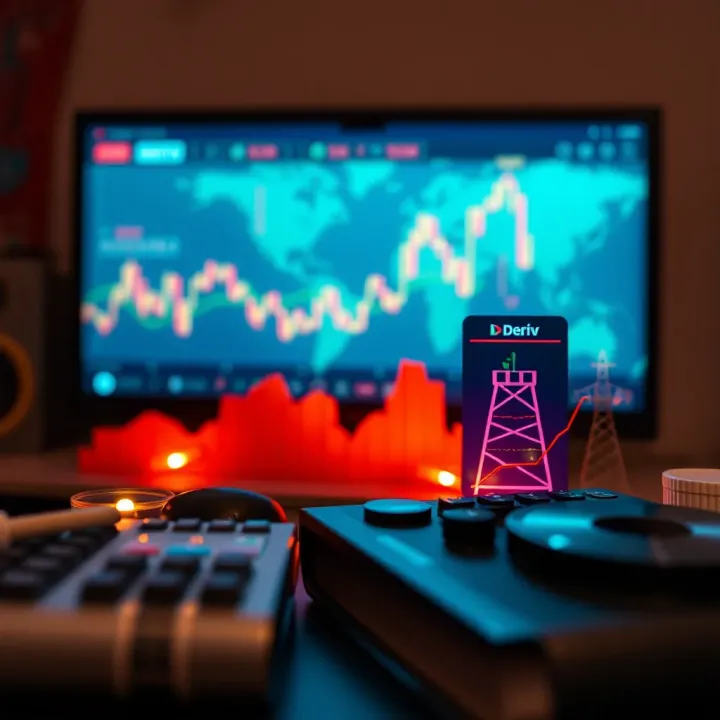
Though Deriv and TradingView are separate platforms, they integrate smoothly for a streamlined trading experience. Deriv supports linking the account with TradingView, enabling real-time data feed and order execution directly from TradingView’s interface in some cases. Nigerian traders benefit from this integration by monitoring live charts and making trades without jumping between multiple tabs. This cuts down on time lag and potential errors, which are critical when dealing with short-term trades or volatile markets.
TradingView's charts can be used to plan and execute trades on Deriv effectively. Traders perform technical analysis on TradingView, then apply those insights by placing trades on Deriv. For instance, spotting a bullish divergence on the MACD in TradingView can signal a buying opportunity for an oil contract on Deriv. Although the trade execution happens on Deriv, the confidence gained from detailed analysis on TradingView can improve trade timing and outcomes. Nigerian users should ensure they refresh their data and keep both platforms synced, especially during high-volatility periods or ember months when markets tend to swing more.
Tapping into TradingView’s powerful tools alongside Deriv equips Nigerian traders with sharper insights and quicker responses, making the duo an excellent combination for navigating complex markets.
TradingView raises the bar for charting and analysis, offering Nigerian Deriv users an edge that’s hard to match with Deriv alone. Its advanced features and community support empower traders to make well-informed decisions, while integration smooths the workflow—key factors for trading success in Nigeria's unique financial environment.
Setting up your trading environment properly with Deriv and TradingView is a fundamental step for any Nigerian trader seeking consistent success. This process ensures smooth account management, immediate access to valuable analysis tools, and secure funding methods adapted to Nigeria's financial landscape. When your workspace is organised, both entry and exit decisions become clearer, helping reduce errors caused by technical glitches or poor navigation.
For Nigerian traders, registering on Deriv begins with verifying your identity using means accepted locally, including the National Identification Number (NIN). This step aligns Deriv with Nigerian regulations and safeguards your funds. The registration form typically requires valid personal details, proof of residency, and a working phone number. Nigerian users should prepare these documents ahead to avoid delays, especially during premiums like ember months when demand surges.
Funding your Deriv account is straightforward, leveraging payment options familiar to Nigerians. Bank transfers from local banks such as GTBank, Zenith, or Access Bank work seamlessly, while e-wallets like OPay and Paystack offer speedier deposits. It’s wise to consider stable methods to circumvent naira volatility; for instance, topping your account using e-wallets linked to US dollar wallets can protect against exchange rate fluctuations. Also, timing your deposits to steer clear of weekends or public holidays often helps avoid payment delays.
Creating an account on TradingView is simple and free for basic features, which many traders find sufficient. However, Nigerian traders serious about leveraging advanced charting tools may explore subscription plans offering additional indicators, real-time data, and ad-free experiences. The cost in dollars is reasonable relative to the value added, especially when considering Deriv’s integration benefits.
TradingView’s workspace is highly customisable. Nigerian traders can tailor watchlists to track popular markets like forex pairs involving the naira, commodities such as crude oil, or indices representing Nigeria’s equities on the NGX. Using this feature keeps your focus sharp amid Lagos traffic or power interruptions. Also, setting up alerts and saving chart templates mean less reboot time, enabling you to jump straight into trading even after disconnections.
A well-organised trading environment on Deriv and TradingView ensures that Nigerian traders can focus on strategy and execution rather than technical distractions, helping build confidence and discipline over time.
By paying attention to these setup details, you position yourself for smoother, smarter trading right from the outset.
Implementing practical trading strategies while using Deriv on TradingView can greatly boost a trader’s chances of success. This section highlights techniques tailored for the Nigerian trading environment, focusing on easy-to-adopt approaches for beginners as well as more complex methods for seasoned traders. By blending smart analysis with disciplined risk management, you can navigate Deriv's features and TradingView’s tools effectively.
Technical analysis fundamentals form the backbone of most trading decisions on platforms like Deriv. This involves studying price charts and market trends to predict future movements rather than relying on guesswork. In simple terms, it means looking at how prices have behaved in the past to make an educated guess about what might happen next. For instance, if a currency pair keeps bouncing off a certain price level on TradingView charts, it is likely a strong support or resistance zone.
Beginners should focus on understanding chart patterns, trendlines, and candlestick formations. These visual cues help identify market sentiment and potential entry or exit points. It’s a hands-on skill that improves with practice—setting up charts on TradingView and observing live price action can sharpen one’s grasp.
The use of indicators like the Relative Strength Index (RSI) and Moving Average Convergence Divergence (MACD) adds a further edge. RSI measures if an asset is overbought or oversold, flagging potential reversals, while MACD reveals momentum shifts by comparing moving averages. For example, if RSI climbs above 70 on a Deriv chart, it could mean the asset is overbought and due for a price pullback, signalling a possible sell opportunity.
These tools are especially useful for Nigerian traders working with limited data or unpredictable forex pairs affected by local and global factors. TradingView offers easy access to these indicators with adjustable settings, enabling you to tailor strategies to your preferred markets and times.
Serious traders often combine multiple indicators to confirm trading signals and reduce false alarms. For example, pairing RSI with MACD and Bollinger Bands can filter out noise and highlight high-probability trades. One might wait for MACD to signal a bullish crossover and RSI to exit oversold territory before entering a buy position on Deriv, also checking Bollinger Bands for price squeeze or expansion.
This layered approach requires patience and discipline but helps navigate volatile markets more confidently. Nigerian traders who juggle fast-changing naira rates or geopolitical news can benefit from this multi-indicator method to avoid impulsive decisions.
Risk management and position sizing are crucial for preserving capital in trading. Regardless of how good your strategy is, you must control how much of your account you risk on each trade. A common practice is risking no more than 1-2% of your trading capital per position. If your Deriv account balance is ₦50,000, you’d risk only ₦500 to ₦1,000 on any single trade.
Using stop-loss orders on Deriv helps limit losses by automatically closing a trade once price moves against you beyond a set point. Position sizing also involves adjusting trade volume according to market volatility. For instance, you might reduce bet size during turbulent periods or ember months when market unpredictability spikes.
Combining strong strategy with sound risk control turns trading into a sustainable activity rather than a gamble.
Overall, mastering these practical trading techniques on Deriv with TradingView's analysis tools will prepare you for different market conditions and increase your prospect of consistent profits.
Trading with Deriv on TradingView.com offers many advantages, but Nigerian traders must be aware of local challenges. These challenges affect trading efficiency and outcomes if left unattended. Understanding common hurdles like naira volatility, payment delays, power outages, and unstable internet can help traders plan better and stay ahead.
Choosing stable payment methods is critical for Nigerian traders due to frequent fluctuations in the naira's value. Using digital wallets such as Paystack, Flutterwave, or OPay that support seamless currency conversion minimises risks associated with exchange rate swings. Also, opting for well-established banks with reliable international transfer services reduces failed or delayed transactions, safeguarding your funds.
Timing deposits and withdrawals smartly can save traders from avoidable delays and losses. Generally, depositing funds during weekdays and normal banking hours improves processing speed because most financial institutions operate within those periods. Avoid adding funds or requesting withdrawals during public holidays or the ember months when banks tend to be congested. Planning your transactions ahead helps reduce downtime and maximises capital utilisation.
Optimising mobile data usage is vital in Nigeria where network stability varies. Traders should customise TradingView’s settings to reduce data consumption, such as lowering chart update frequency and disabling unnecessary real-time alerts. Using data bundles from providers like MTN, Airtel, or Glo during off-peak hours can also ensure faster connectivity and cost savings.
Using offline tools and backup strategies protects your trading activities during power cuts or poor internet service. Desktop apps or downloadable chart snapshots let you analyse markets even when offline. Besides, setting up Uninterruptible Power Supplies (UPS) or battery backups can keep your devices running through short power interruptions. Have backup internet options like a different mobile network or using Wi-Fi at a friend’s place to avoid missing important trade setups.
Nigerian traders who anticipate local challenges and prepare proactively experience smoother trading journeys and safer asset management.
By managing naira volatility, timing payments well, optimising data use, and keeping backup systems ready, you can overcome common hurdles and make Deriv and TradingView work effectively for you.
Trading on platforms like Deriv via TradingView comes with certain risks Nigerian traders must understand to protect their investments and information. Knowing these risks helps you make informed decisions and safeguard your trading accounts effectively. The volatile nature of markets and the digital environment demands vigilance beyond mere market analysis.
Market volatility is one major risk affecting trading outcomes. Prices of assets can swing sharply within minutes due to economic events, geopolitical tensions, or sudden shifts in investor sentiment. For instance, unexpected changes in oil prices or CBN monetary policies often provoke rapid fluctuations in relevant markets. Nigerian traders need to be ready for such movements by setting stop-loss orders and avoiding overexposure to a single trade.
Additionally, volatility may be amplified by lower liquidity during local market off-hours or public holidays, making timely exits harder. This can increase the risk of slippage, where the execution price deviates from the intended order price, eroding profits or deepening losses.
Platform reliability and data accuracy also play critical roles in your trading success. Even though TradingView is reputable for its real-time charting and Deriv provides straightforward execution, occasional lags, delayed data, or connectivity hiccups might happen. In Nigeria, unstable internet connections or power outages can worsen these issues, potentially causing missed trading opportunities or incorrect market reads.
Traders should cross-check critical price data and avoid relying solely on one platform during volatile times. Having backup internet sources and timely updates from official financial news helps reduce surprises caused by inaccurate or delayed information.
Strong password management is the first line of defence for securing your accounts. Use passwords that combine letters (both cases), numbers, and special characters. Avoid easy-to-guess passwords like birthdays or common words. Additionally, change your password regularly and never reuse passwords from other sites.
Consider using a password manager to keep track of complex passwords safely. This practice reduces the risk of your Deriv or TradingView account being hacked, which could lead to unauthorised trades or data breaches.
Avoiding phishing and scams is equally important for protecting your trading environment. Fraudsters often send fake emails or create misleading websites that mimic Deriv or TradingView, trying to steal your login details or payment information.
Always verify the sender's email address and avoid clicking on suspicious links. Use two-factor authentication (2FA) wherever possible to add an extra layer of security against unauthorised access. If you ever receive unsolicited messages requesting sensitive information, report them to the platforms immediately.
Staying secure isn’t just about protecting money — it’s about protecting your trust and long-term trading ability. Taking proactive steps saves you from costly mistakes and unnecessary stress.
By being aware of these risks and applying simple security measures, Nigerian traders can enjoy a safer and smoother experience using Deriv on TradingView.
📈 Nigerian traders, discover how to boost your skills by combining TradingView's charts with Deriv's platform. Learn setup, integration, and strategy tips! 💹
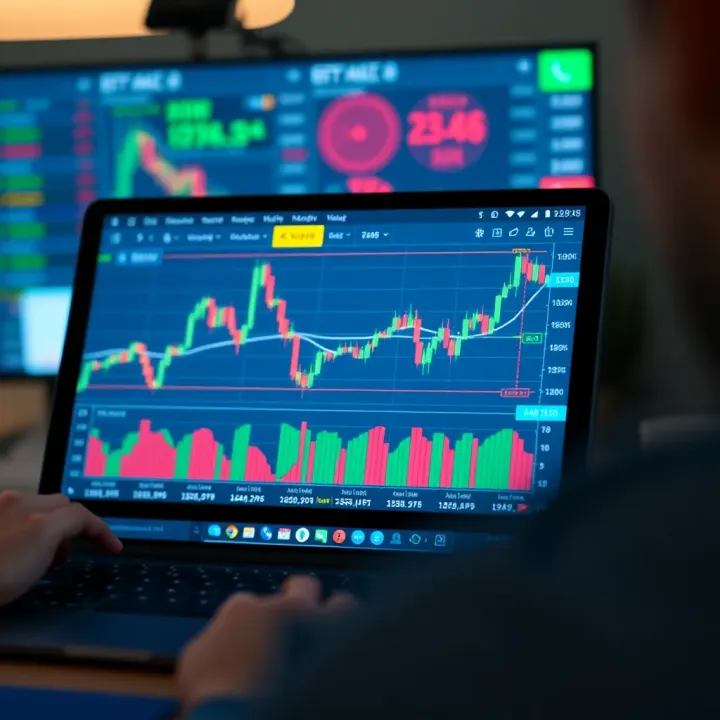
📊 Discover how Deriv TradingView app blends TradingView charts with Deriv’s platform for smarter market decisions. Get setup tips and boost your trading skills in Nigeria now!
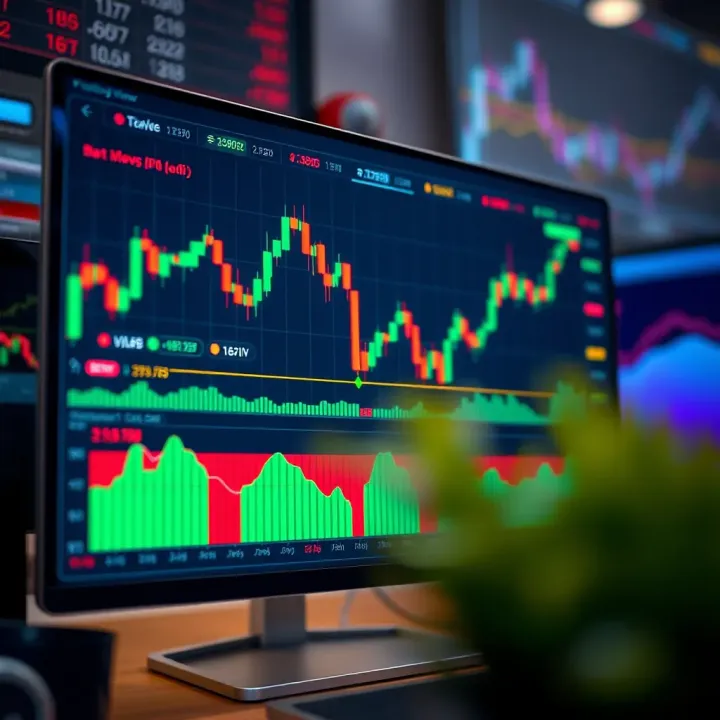
📊 Master trading in Nigeria with our guide on using TradingView charts on Deriv. Learn setup tips & features for smarter trading decisions! 🇳🇬💹
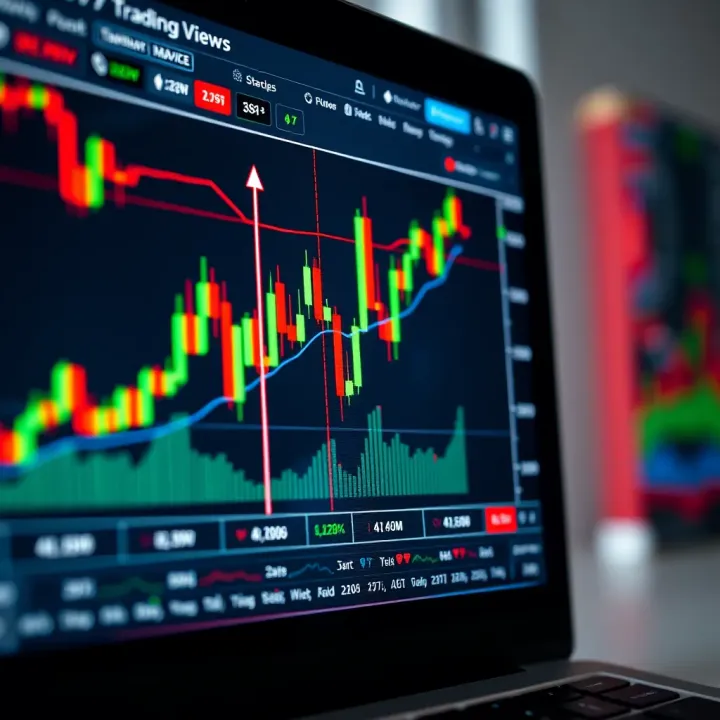
📈 Discover how to integrate TradingView charts with Deriv for smarter trading in Nigeria. Learn setup, customization, & troubleshooting tips.
Based on 9 reviews