
Using TradingView for Binary Options Trading
Explore how to integrate TradingView charts 📊 into Nigeria’s binary options trading platforms for real-time data and custom indicators enhancing your trade decisions.
Edited By
Laura Bennett
TradingView offers Nigerian traders a powerful toolkit for analysing markets and making informed decisions in binary options trading. Unlike traditional brokers with basic charts, TradingView provides access to a vast range of chart types, custom indicators, and real-time data. This flexibility allows users to spot patterns and signals that improve the chances of successful trades.
The platform is particularly useful for binary options since decisions usually rely on short-term price movements. For example, traders can apply technical indicators like the Relative Strength Index (RSI) or Moving Average Convergence Divergence (MACD) on TradingView charts to time entries precisely. These help identify moments when an asset is either overbought or oversold, signalling potential price reversals.
Setting up TradingView for binary options begins by creating a free or paid account and selecting your preferred market, such as forex, commodities, or stocks popular among Nigerian traders. You can customise charts using timeframes aligned with typical binary trade durations, such as 5-minute or 15-minute intervals. Adjusting chart colours and layouts makes it easier to track movements quickly during volatile sessions.
Using TradingView alongside your binary broker provides a clearer picture than relying on broker charts alone, which may lag or lack advanced analysis tools.
To maximise benefits:
Use multiple indicators cautiously; overcrowding the chart can cause confusion.
Save customised indicator templates for quick access.
Combine TradingView signals with fundamental news, especially local events affecting the naira or energy prices.
By integrating TradingView into your trading process, you build a more analytical approach rather than guessing. This can help reduce impulsive decisions and increase your odds of earning profits in Nigeria’s challenging binary options market.
TradingView is an online platform offering advanced charting and analysis tools for traders across markets, including stocks, forex, cryptocurrencies, and commodities. Its user-friendly interface and extensive library of technical indicators make it a favourite among traders worldwide. For Nigerians interested in binary options trading, TradingView serves as a vital resource for visualising price movements and spotting potential trade opportunities. Unlike basic broker charts, TradingView allows deep customisation and access to real-time data from multiple exchanges.
Binary options trading depends heavily on timing and recognising clear price signals. TradingView provides detailed, interactive charts that simplify these tasks. Traders can zoom in on short timeframes or view broader trends, helping them make informed decisions. For instance, observing candlestick formations or volume spikes on a 5-minute chart can guide a trader on whether to place a "call" or "put" option. This visual clarity is crucial when every minute counts.
Specific features of TradingView align well with the fast-paced nature of binary options. The platform supports popular chart types like candlestick, line, and bar charts, enabling traders to choose what best suits their strategy. Adding overlays like Moving Averages or Bollinger Bands helps identify market momentum and volatility—key factors in predicting price direction within short expiry periods. Interactive drawing tools allow traders to mark support and resistance levels, making pattern recognition easier and more accurate.
For Nigerian traders, TradingView offers several practical benefits. Firstly, its cloud-based setup removes the need for heavy software downloads, which matters given Nigeria’s varying internet quality. Secondly, many brokers accessible to Nigerians may offer limited charting tools, so TradingView acts as a complementary platform to enhance analysis. Plus, the platform's large community shares trading ideas and scripts, which can be useful for learning and testing new binary options tactics. Lastly, basic access is free, meaning traders can start without immediate costs and upgrade as their needs grow.
Using TradingView in binary options trading allows Nigerian traders to approach the market with clearer insights and better preparedness—an edge that’s essential in the high-stakes environment of short-term trades.
Understanding TradingView and its practical utility forms the foundation for Nigerian traders seeking to improve binary options outcomes through smarter chart analysis and strategic decision-making.
Setting up TradingView correctly is essential for Nigerian traders aiming to maximise their binary options trading. A well-configured interface helps spot trends quickly and make decisions without delay. Since binary options often involve short timeframes, even a slight delay or unclear chart can mean missed opportunities.
Starting with a TradingView account is straightforward. You only need an email address to register and confirm your account. Once logged in, you'll see the main dashboard where you can access charts, watchlists, news, and more. The interface is clean but packed with tools, so traders should familiarise themselves with key areas such as the chart window, the toolbar on the left for drawing tools, and the bottom panel for news and alerts.
Navigating around is made easier with shortcuts and a drag-and-drop watchlist. For instance, adding popular pairs like USD/NGN or commodities like gold can help traders quickly toggle between relevant assets. Nigerians trading binary options will benefit from spending time getting used to the zoom, scroll, and timeframe switch functions, which are critical when analysing price moves.
Binary options trades are often set for short durations — usually from 1 minute up to an hour. Traders should select chart timeframes that align closely with their trade expiry times. For example, if you plan to trade options expiring in 5 minutes, setting the chart to 1-minute candles gives a detailed price movement view for timely entry and exit. Using longer timeframes like daily or hourly could hide important short-term patterns.
Candlestick charts are the favourite among binary traders because they reveal more about price sentiment within each period. A single candle can show the open, close, high, and low prices, which helps spot reversals or breakouts. Line charts, by contrast, only show closing prices and might miss intraperiod swings.
For Nigerian traders, mastering candlestick patterns can help identify trends fast without complicating the view. For example, seeing a “hammer” pattern on a 5-minute chart might signal a reversal suitable for a call option.
Indicators act as shortcuts in analysing price action. Common ones include the Relative Strength Index (RSI) for spotting overbought or oversold conditions, and Moving Averages to identify trend directions. Adding these allows traders to make quicker calls without staring at the raw price movements alone.
In practice, a trader in Lagos watching the RSI on a 5-minute chart might notice when an asset dips below 30, signalling a potential buy. Combining such signals with a trendline drawn on the chart sharpens entry points and boosts confidence.
A tailor-made TradingView setup saves time and supports smarter binary options trading. By picking suitable timeframes, using candlestick charts, and layering indicators carefully, Nigerian traders can stay ahead even when the market moves fast.
In binary options trading, precision and timing make all the difference. TradingView offers key technical indicators and drawing tools that help traders spot opportunities and make informed decisions quickly. These features are especially handy for Nigerian traders looking to navigate volatile markets with clarity.
The RSI measures the speed and change of price movements on a scale from zero to 100. When RSI hits 70 or above, the asset is typically considered overbought, signalling a possible price drop. Conversely, a reading below 30 suggests oversold conditions and potential price rise. For binary options traders, this helps pinpoint when to buy ‘call’ or ‘put’ options based on likely price reversal points.
For instance, Nigerian traders following oil prices on TradingView can use RSI to anticipate when prices might bounce back after sharp falls, knowing this is common in commodity markets. This indicator stands out for its simplicity and reliable signals during short-term trades.
Moving averages smooth out price data to reveal trends by calculating average prices over a specific period, like the 20-day or 50-day moving averages. Traders often watch for "crossovers" where a short-term moving average crosses above or below a long-term average, signalling a potential change in trend.
In binary options, moving averages help confirm trend direction before entering trades. A Nigerian trader might spot a bullish crossover for the NGX index and choose to buy a call option anticipating price rise. These averages reduce guesswork amid the fast-paced binary options environment.
Bollinger Bands consist of a moving average with upper and lower bands representing volatility levels. When prices move close to the upper band, it suggests the asset might be overbought; near the lower band implies oversold conditions.
For binary options traders, this indicator flags likely price swings and breakouts. A trader watching the naira-dollar exchange rate could see a price approach the lower band, signalling a potential bounce and an opportunity to act on a call option. Bollinger Bands blend trend and volatility insights, fitting well with binary options' short expiry spans.
Support lines mark price levels where an asset tends to stop falling, while resistance lines indicate where it struggles to rise. Drawing these lines on TradingView charts helps traders recognise key price zones.
Nigerian traders can use these levels to decide entry and exit points. For example, if the naira is holding support around ₦460/$, a binary options trader might place a call option expecting prices to bounce upwards. These lines provide clear price cues beyond just indicators.
Trendlines connect successive highs or lows to show market direction. Channels form parallel trendlines, outlining a price corridor. These structures reveal momentum and potential breakout zones.
Using trendlines, a trader following the cotton price might spot an upward channel, signalling stable gains. If the price hits the lower trendline, it could be a good time for a call option. Conversely, breaking below may warn against bullish bets. Channels help frame market context, sharpening binary options timing.
Candlestick charts show price action in a visually rich way, with patterns like doji, hammer, or engulfing candles signalling possible reversals or continuations. Recognising these patterns on TradingView aids in reading market sentiment instantly.
For instance, a hammer candlestick after a downtrend in cocoa prices often points to buying pressure rising. A Nigerian trader might use this to enter a call option. Candlestick patterns provide quick signals that fit well with binary options' short expiry nature.
Using TradingView’s technical indicators and drawing tools together gives Nigerian binary options traders a robust edge, helping to read market moves with confidence and act swiftly on opportunities.
In summary, mastering RSI, moving averages, Bollinger Bands, and drawing tools fills the gap between guessing and trading smartly on binary options platforms. With practice, these insights become second nature, improving trade outcomes amid Nigeria’s dynamic trading scene.
Integrating TradingView analysis with popular binary options brokers in Nigeria lets traders translate chart insights into practical trades. It bridges the gap between technical research and execution, ensuring decisions guided by clear data can be swiftly acted upon. For Nigerian traders, where market access can vary and brokers’ features differ, understanding how to combine analysis and broker platforms is crucial to spotting good opportunities and managing risks well.
TradingView offers powerful charting tools, but it doesn't connect directly to binary options brokers for automated trades. Nigerian traders typically inspect TradingView charts manually, spotting entry points, expiry times, and price directions before placing trades on their broker's platform. For instance, if the RSI suggests oversold conditions and candlestick patterns confirm a possible bullish reversal, a trader can quickly input a "call" option manually on a broker like IQ Option or Binomo.
This approach demands discipline and decisiveness since binary options often require trades within short timeframes. Yet, it gives traders full control over strategy application without depending on risky automated bots. Manual execution also helps adapt quickly to sudden market changes, common in volatile markets like forex or commodities traded in Nigeria.
Besides manual signals, traders sometimes share snapshots or specific chart data with brokers’ support teams or on trading forums to validate insights or seek advice—especially among local trading communities. Copying detailed analyses or annotated charts helps maintain a record of trade ideas and performance tracking outside the broker’s app.
While few Nigerian brokers support integrated chart imports directly, traders use TradingView’s screenshot or "share" features to capture and reference their setups when explaining trade rationales to mentors or communities. This practice enhances transparency and learning, particularly for novices refining their software skills and market understanding.
Several brokers accept Nigerian clients for binary options trading, but accessibility may depend on regulatory constraints and payment methods. Top favourites include IQ Option, ExpertOption, Olymp Trade, and Binomo. These platforms offer relatively straightforward signup, local deposit channels like bank transfer or e-wallets (e.g., OPay, Flutterwave), and customer support attuned to Nigerian market conditions.
These brokers are popular due to their user-friendly interfaces and availability of educational content in English, fitting a wide trader base from Lagos to Port Harcourt. However, traders should verify brokers’ regulatory status and preferred methods for fund withdrawal to avoid surprises.
While none of these brokers directly sync with TradingView, many provide basic chart tools and indicators inside their apps. However, these inbuilt tools rarely match TradingView's depth, customisability, and clarity. Nigerian traders often prefer doing detailed analysis on TradingView’s web platform, then applying signals manually.
Traders using brokers like IQ Option benefit from fast, reliable execution interfaces, which is key when using TradingView's short-term trade insights. Brokers supporting multiple asset classes on one platform also complement TradingView’s broad market coverage, allowing traders to diversify strategies.
For Nigerian binary options traders, mastering the art of transferring insights from TradingView to their preferred broker remains an essential skill. The ability to act promptly and accurately on visual cues can spell the difference between profit and loss.
This integration isn’t about automation but about informed, hands-on trading sharpened by the best charting tools available outside the broker’s environment.
Trading binary options with TradingView in Nigeria carries risks that traders must understand to protect their capital. Alongside this, adopting best practices ensures that trading efforts are not wasted on avoidable errors. This section highlights these risks and practical steps to help Nigerian traders trade smarter and safer.
Binary options trading is inherently risky because it depends on predicting short-term price moves. Nigerian traders face additional hurdles from heightened market volatility due to global events or local economic shifts—like naira fluctuations or policy changes by the Central Bank of Nigeria. Volatile markets can make price movements more erratic, increasing chances of losing trades.
For example, sudden spikes in crude oil prices often ripple through Nigerian equities and forex pairs tied to the naira. Such fluctuations might trigger unexpected losses if expiry times for options do not account for sharp swings. Understanding that volatility can both open opportunities and cause rapid losses is vital.
TradingView offers a range of indicators and charting tools, but none guarantee success. Traders must know that signals generated can be misleading, either due to lagging indicators or false breakouts. Nigerian traders relying solely on one indicator—say, the RSI showing overbought conditions—may jump into trades prematurely.
Inaccurate signals are more common when market conditions change quickly, such as during election seasons or ember months, which bring higher market uncertainty. It's crucial to cross-check signals and avoid blind faith in charts alone.
While the free TradingView plan gives access to many charting features, it comes with restrictions that Nigerian traders should consider. For instance, the number of indicators on a single chart is limited, and real-time data for some Nigerian or African markets might be delayed or absent.
These limits mean traders may miss crucial signals or fail to conduct in-depth multi-indicator analysis. Upgrading to paid plans gives more indicators, enhanced chart layouts, and access to more market data—advantages that can improve trading decisions.
Even though binary options have fixed expiry times, managing when to enter and exit trades helps control losses. Nigerian traders should avoid choosing very short expiry periods during illiquid market hours or when news events are expected, as price swings can be unpredictable.
Setting personal rules—such as limiting expiry to 5 or 15 minutes depending on asset volatility—and practising with demo accounts helps traders develop timing skills. A thoughtful approach reduces impulsive decisions and preserves capital.
Indicators are tools, not crystal balls. Nigerian traders must combine multiple indicators—like Bollinger Bands with RSI—or use drawing tools like trendlines to confirm signals. Over-relying on just one technical tool often leads to bad trades, especially in choppy or sideways markets.
Experienced traders know to step back and consider broader market context, like economic reports or geopolitical news, alongside their charts. This balanced approach reduces the risk of misreading signals.
Trading skills develop over time with a consistent focus on learning. Nigerian traders benefit from regularly practising on demo accounts offered by TradingView-connected brokers. This allows testing strategies, indicator combinations, and timing without losing real money.
Additionally, seeking educational resources, following reputable analysts on TradingView, and reviewing past trades helps traders sharpen their strategies. Being a student of the market is key to long-term success.
Remember: No tool or indicator can fully predict market moves. Risks are real but manageable with discipline, knowledge, and smart use of TradingView’s resources.
Embracing these risks and best practices ensures Nigerian binary options traders do not fall prey to common pitfalls that drain accounts fast. Instead, they can trade with confidence and make informed, calculated decisions.
Explore how to integrate TradingView charts 📊 into Nigeria’s binary options trading platforms for real-time data and custom indicators enhancing your trade decisions.
Discover how to use TradingView’s tools for smarter binary options trading 📊. Learn chart basics, real-time data, strategies, and risk tips for Nigerian traders 🇳🇬.
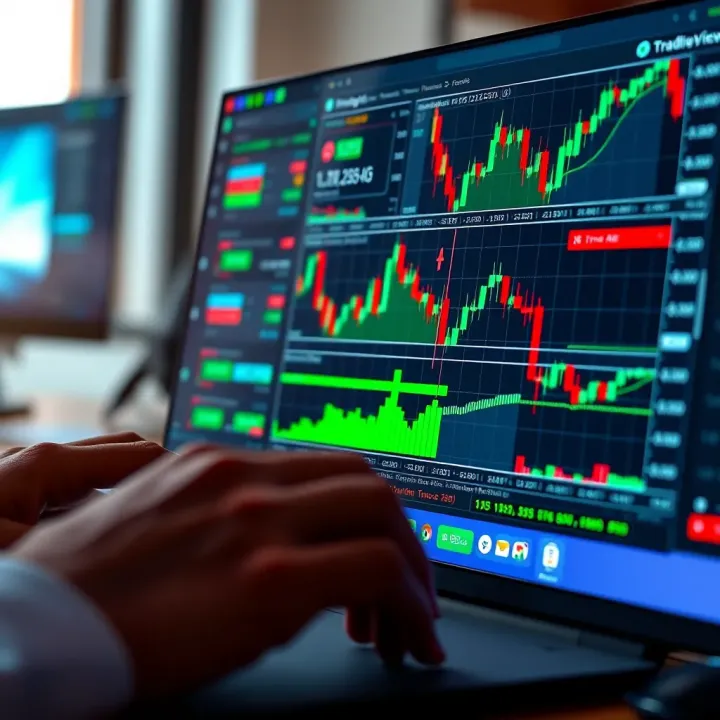
📊 Learn how Nigerian traders can master Binary TradingView with clear chart analysis, smart strategies, and risk management to boost profits in ₦ markets.

📊 Explore binary options trading in Nigeria with clear tips on risks, strategies, regulations, and platforms to trade smart and stay safe.
Based on 9 reviews