
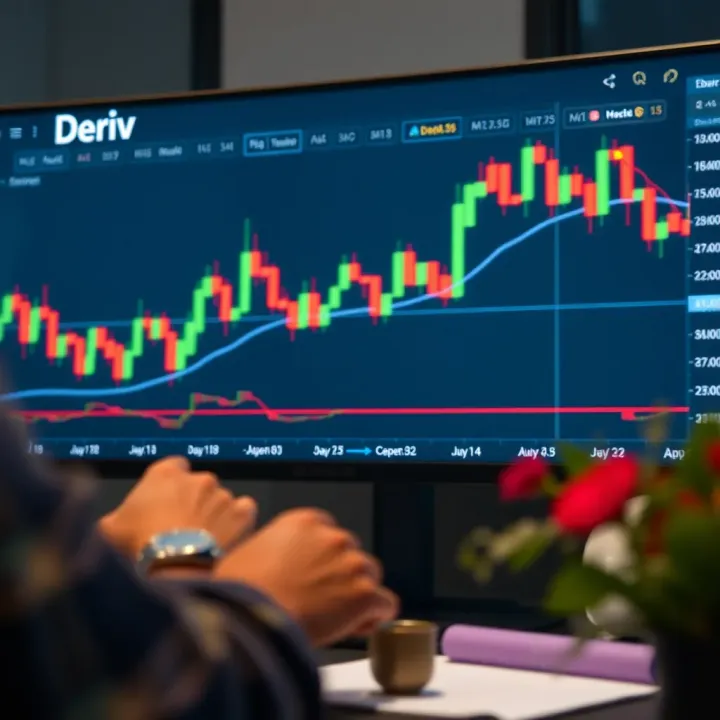
Using TradingView with Deriv for Smarter Trading in Nigeria
📊 Discover how Nigerian traders can boost trading efficiency by integrating TradingView charts with Deriv. Learn setup, analysis, and risk management tips for success.
Edited By
Sophie Middleton
Trading has changed heaps over the last few years, and tools like TradingView and Deriv are at the heart of this shift. For Nigerian traders looking to sharpen their edge, understanding how to blend these platforms can make a big difference.
This guide is all about breaking down the how-to of connecting TradingView's powerful charts with Deriv's trading features. Why bother? Because combining them leads to smarter decisions — less guesswork, more strategy.
We’ll cover everything from getting set up with both platforms, spotting crucial features, to practical tips you can use right away. Whether you're a seasoned trader or just dipping your toes, this article aims to make the process straightforward.
Clear, actionable insights are the name of the game here: helping you trade smarter and with more confidence in Nigeria's market scene.
Let's get started and turn those charts and trades into better outcomes.
When it comes to smart trading, understanding your tools is half the battle. This is especially true for Nigerian traders looking to make the most of their investments. Deriv and TradingView are two platforms that, when used together, can offer a clear edge. Deriv provides the trading platform where you execute trades on various assets, while TradingView offers in-depth charting and analysis tools that help you spot trends and make better decisions.
Getting familiar with what both platforms bring to the table is essential. For example, knowing how Deriv's asset options align with TradingView's technical indicators can help you pick the best trades based on solid data instead of guesswork. This section will break down the unique strengths of Deriv and TradingView and explain why their combination is a practical step for anyone serious about trading smarter in Nigeria.
Deriv offers a wide range of assets, including forex pairs, synthetic indices, commodities like gold and oil, and stock indices. Nigerian traders often find forex pairs like USD/NGN particularly relevant due to local currency fluctuations. Synthetic indices, unique to Deriv, simulate real market volatility 24/7, letting traders practice or trade outside usual market hours. This variety means you can diversify your trading portfolio without hopping between different platforms.
Deriv’s interface is designed to be straightforward, even for beginners. The dashboard lays out assets, charts, and open trades clearly, so you don’t get lost in a cluttered screen. Mobile apps work well on both Android and iOS, which is handy for traders in Nigeria where mobile usage often outpaces desktop access. Accessibility options such as adjustable chart times and simple trade controls reduce the learning curve, letting you focus on strategy rather than tech hassles.
Security is non-negotiable when you’re handling money online. Deriv is licensed by multiple financial authorities, including the Malta Financial Services Authority and the Vanuatu Financial Services Commission. This means there’s oversight to prevent malpractice, which is reassuring for traders. They also use two-factor authentication and encrypted data transfer to keep your account safe. In addition, Deriv complies with anti-money laundering regulations, reflecting a commitment to safe trading environments.
TradingView stands out for its comprehensive charting capabilities. It has a vast library of pre-built indicators like Moving Averages, RSI, and MACD, all easy to apply with just a few clicks. For instance, Nigerian traders watching the NIFTY 50 or Crude Oil prices can customize these indicators to fit their approach. Plus, you can tweak settings or combine indicators to suit your strategy, whether you are a trend follower or a contrarian.
One of TradingView’s biggest perks is the active community. Traders from all over share their chart analyses, trading ideas, and even custom scripts programmed in Pine Script. This peer insight lets you learn from others’ experiences or test new methods without heavy research. It’s like having a roomful of traders sharing tips, some of whom track Nigerian market nuances that might otherwise fly under your radar.
Timing is everything in trading. TradingView feeds real-time data across multiple markets, from stocks to currencies and cryptocurrencies. This instant access helps you avoid decisions based on lagging information. For example, if you spot a sudden dip in EUR/USD, you can react swiftly on Deriv to enter or exit trades accordingly, maximizing potential gains or cutting losses early.
Deriv’s built-in charts are decent but limited in comparison to TradingView’s detailed tools. By integrating TradingView charts into your setup, you gain deeper technical insights without navigating away from your trade execution screen. This means spotting nuanced patterns like head-and-shoulders or double bottoms becomes quicker, improving your timing for entering or exiting positions.
Combining the two platforms also connects you to TradingView's social network, where traders share predictive insights and live analysis. Deriv users can tap into these ideas, adding a layer of community validation to their own research. This is especially useful in volatile markets, where quick perspectives from a global trading crowd can provide fresh angles or confirm hunches.
Ultimately, the point of using both platforms is to trade smarter, not harder. TradingView’s advanced charts and community inputs add confidence to your choices, while Deriv offers a reliable platform to act on those decisions instantly. For example, a Nigerian trader might see a pattern form on TradingView and then quickly place a binary options trade on Deriv to capitalize on short-term moves, managing risk effectively while staying agile.
By blending Deriv’s trading environment with TradingView’s analytical power, traders get a practical toolkit that blends execution speed with thorough market understanding. This combination can make a real difference in the quality of decisions and eventual trading success, especially in fast-moving markets.
Getting started with Deriv and TradingView means setting up separate accounts on both platforms—and then linking them for smooth operations. This step might seem straightforward, but it’s the backbone of smarter trading. Without proper account setup and connection, you’d be flying blind, missing out on seamless chart analysis, insights, and order execution.
By carefully creating and linking accounts, you enable real-time data flow that can sharpen your trading decisions. It’s like having a well-oiled machine where each part knows its role and communicates efficiently. Let’s break down how this works in practice.
Opening a Deriv account if you’re based in Nigeria is pretty straightforward. Start by visiting the Deriv signup page and entering your email, creating a strong password, and selecting Nigeria as your country. The platform usually offers support in English which makes navigation easy.
Deriv is keen on compliance, so it asks for your full name, phone number, and a valid ID—passport or national ID works best. An important tip here is to use an email address you check often since all account alerts and trade confirmations come here.
The sign-up process isn’t just form-filling; it’s your first step toward safe and compliant trading. Getting this done properly means you’re ready to explore Deriv’s many markets, like forex, synthetic indices, or binary options.
Deriv requires you to verify your identity before you can start trading with real money. This means uploading a government-issued ID and sometimes a proof of address, like a utility bill or bank statement. This verification ensures your account stays secure and keeps Deriv compliant with international financial standards.
For Nigerian traders, it’s vital to complete this quickly because withdrawals depend on it. Traders often pause here, but skipping verification can delay access to your funds or even lead to account restrictions.
Make sure whatever documents you upload are clear and valid; blurry photos or outdated documents might cause headaches.
Funding your Deriv account is simple, with various payment options catering to Nigerian users. You can use e-wallets such as Skrill or Neteller, local bank transfers, or even cryptocurrencies like Bitcoin.
Cash deposits via local banks may take longer, sometimes up to 48 hours, while e-wallets are usually near-instant. When withdrawing, Deriv puts security first by only releasing funds to the same source you used for deposits.
A practical note here: double-check your withdrawal method before initiating transactions to avoid hassles. Also, keep an eye on any fees charged by your payment provider, so you know exactly what you’re paying.
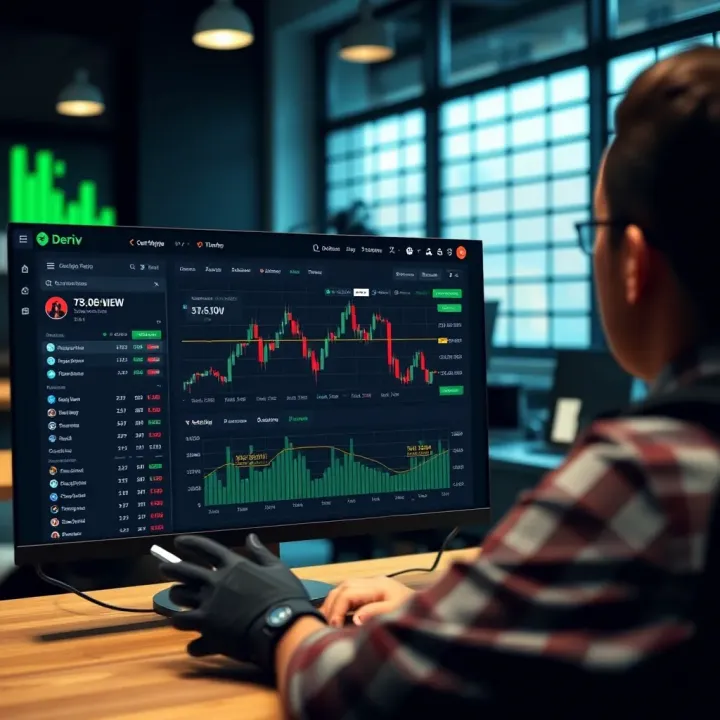
TradingView offers several subscription plans—from free to Pro, Pro+, and Premium. Nigerian traders should evaluate their needs realistically. The free plan is quite generous for beginners, offering basic charts and indicators but with ads and limited saved chart layouts.
If you plan to trade actively or need multiple indicators simultaneously, stepping up to the Pro or Pro+ plans might be worth the investment. Remember, more indicators and faster data can make a difference, especially when trading volatile markets like forex.
Before committing, try the free trial to check which plan fits your style. For many Nigerian traders focusing on Deriv’s binary options, the Pro plan strikes a good balance between cost and functionality.
Once registered, customize your TradingView profile thoughtfully. Add a profile picture and write a brief bio that reflects your trading interests. This helps when interacting with the community or following other traders who share relevant ideas.
Setting your timezone correctly is crucial too—like Lagos time (GMT+1)—so your charts and alerts display accurate times. This prevents confusion when reviewing historical trades.
You can also tweak appearance settings, such as dark mode or chart colors, to make long trading sessions easier on the eyes.
TradingView’s interface might seem packed at first, but once you get the hang of it, it’s quite intuitive. The main parts to focus on are the chart window, the toolbar for drawing tools and indicators, and the watchlist.
Spend time familiarizing yourself with the side panel where you can access social trading ideas, news, and alerts. This is especially handy to stay updated without leaving the platform.
Use the search bar to find assets you want to trade on Deriv, which streams real-time price data into your charts.
Currently, Deriv doesn't directly embed TradingView charts into its platform, but you can open TradingView charts side-by-side or in separate tabs for reference. A popular method is using TradingView’s widget tools, which can be embedded into custom web dashboards if you’re tech-savvy or using third-party software.
This flexibility means you can keep your eyes on live charts while managing your trades on Deriv's platform. Some traders create dual monitors setups or use split-screen features on their laptops to track charts and execute trades smoothly.
Even though TradingView charts aren’t embedded inside Deriv, you can align your chart analysis closely with your Deriv trades. For example, pick an asset on TradingView, apply your favorite indicators, and note support or resistance levels. Then switch to Deriv to place your trades based on those signals.
This manual yet effective approach compensates well for the lack of direct integration. It’s like having your toolbox open beside you while fixing something.
If you run into trouble syncing your analysis between TradingView and Deriv, first check your internet connection—it’s surprising how often a slow or unstable network causes trouble.
Make sure you’re logged into both platforms properly. Sometimes, browser cache issues can cause display delays, so clearing it or using incognito mode can help.
If you use any third-party tools for bridging data, verify they’re up to date and supported.
Remember, the key to smooth operation is patience and double-checking your setup. Don’t rush trades because of small technical hiccups.
Creating and linking accounts may seem like just the boring first step, but it sets the tone for everything else. Once properly done, you’ve got a firm foundation for integrating TradingView’s rich charting tools with Deriv’s trading environment, which means smarter trades ahead.
Getting a grip on TradingView’s charting tools is a game changer for anyone trading on Deriv. These tools aren’t just about looking nice—they’re the nuts and bolts for reading market movements and spotting opportunities before they slip away. When you can smoothly navigate through various chart types and indicators, you’re less likely to miss key trading signals.
TradingView's charts give you a clear window into price action with flexibility to customize views that suit your style, whether you're scanning short-term moves or analyzing longer trends. For Nigerian traders, where markets can swing with global events and currency shifts, having these tools at your fingertips means you can adapt fast and trade smarter.
Candlestick, line, and bar charts each tell a story in their own way. Candlesticks stand out for showing open, high, low, and close prices within a specific time frame, making them ideal for catching price direction and reversal patterns quickly. For example, a hammer or engulfing pattern on a candlestick chart often signals a potential trend change—something every trader should know how to spot.
Line charts strip things down to basics: just closing prices connected with a line. They’re great for spotting overall market direction and long-term trends without the noise of intraday movements. If you’re new to trading or prefer simplicity, line charts provide a straightforward view.
Bar charts pack in a bit more detail than line charts but less visual flair than candlesticks. Each bar shows high and low prices plus opening and closing prices, which helps when you want to see volatility in a compact format.
When to use each chart type depends on your trading goals. Candlestick charts work best for active traders looking to catch entry and exit points. Line charts are more suited for investors or analysts focusing on broad trend direction without distractions. Bar charts can be the middle ground, offering detailed info without overwhelming visuals.
Popular indicators like the Relative Strength Index (RSI), Moving Averages (MA), and Bollinger Bands are staples for Deriv traders using TradingView. RSI helps you gauge if an asset is overbought or oversold, giving hints when price reversals might be near. Moving Averages smooth out price action to show clear trend directions — use the 50-day and 200-day MAs to catch momentum shifts. Bollinger Bands highlight volatility, letting you see when prices stretch too far from the average and might snap back.
Customizing these indicators isn’t rocket science but can make a big difference. You can tweak settings—for example, changing MA periods or adjusting RSI thresholds—to better fit your trading strategy and the asset’s usual behavior. Suppose you notice your indicator alerts come too late; shortening the moving average period might give earlier signals but expect some false alarms.
Drawing tools on TradingView, like trend lines, Fibonacci retracements, and support/resistance zones, give visual clues that show where prices might stall or bounce. A simple trend line can confirm a market’s direction, while Fibonacci levels help identify potential pullback points. Using these tools regularly helps you plan better trades, especially when combined with indicators.
Mastering charts and indicators tools on TradingView means you’re not just guessing what’s next. You’re watching real data unfold with precision, helping you stay one step ahead in the markets.
Navigating these elements well integrates seamlessly with Deriv's platform, allowing you to back your trades with solid analysis. Whether you’re day trading or holding longer positions, understanding chart types and applying the right indicators and drawing tools will boost your confidence and trading outcomes.
Combining TradingView's powerful charting capabilities with Deriv's versatile trading options opens up practical avenues for sharper trading decisions. Effective strategies using both platforms help you better read market signs and manage positions, making the difference between guesswork and informed trades. For Nigerian traders, this means adapting global tools to local market nuances, squeezing more out of every trading move.
Understanding the ebb and flow of market trends is a must when trading binary options. A solid grasp on support and resistance levels can be your north star in deciding entry and exit points. Support levels mark a price floor where demand overcomes supply – prices tend to bounce back here. Resistance acts like a ceiling where selling pressure peaks, capping price rises. For example, if a currency pair on Deriv repeatedly dips to 430 NGN and bounces, you can spot that as support. When paired with TradingView, plotting these levels becomes precise, aiding timely trades.
Volume and momentum indicators add layers to trend analysis. Volume reflects the amount of trading happening — high volume near support or resistance signals stronger conviction. Momentum indicators like the Relative Strength Index (RSI) help you gauge if a market is overbought or oversold. Suppose on TradingView, RSI hits above 70 while price nears resistance, it warns a reversal might be near, steering you to avoid buys at that peak.
One glaring mistake traders often make is overlooking risk management. Setting stop-loss with Deriv lets you cap losses automatically. For instance, if you buy a binary call option expecting the Nigerian Naira to strengthen but want to limit your loss to ₦500, use Deriv’s stop-loss feature. It closes your position once losses hit the threshold, saving you from bigger drawdowns during sudden dips.
Beyond stop-loss, position sizing and diversification keep your portfolio balanced. Never risk a hefty chunk on a single trade—allocating 1-2% of your capital per position is a sensible rule. Diversifying assets, say between forex pairs and commodities on Deriv, spreads risk. TradingView's broad asset coverage helps spot opportunities outside your usual wheelhouse, so your eggs aren't all in one basket.
TradingView isn't just charts and indicators; it's a bustling hub of trader wisdom. Following expert traders lets you learn from those who’ve seen the trenches. They often share strategies and real-time setups that can help you spot new angles. For a Nigerian trader, following experts specializing in emerging markets or currency pairs involving NGN can highlight trends you might miss solo.
Reviewing shared ideas for your trades also adds depth. But be cautious: not every shared idea fits your style or risk appetite. Evaluate ideas by checking their reasoning, timeframes, and past performance graphed on TradingView. This critical eye helps avoid blindly copying tips and instead adapting insights smartly for your Deriv trades.
Using both platforms in tandem equips you with greater clarity and control—trading smarter, not just harder. Practical strategies based on trend reading, risk management, and community learning lead to steadier, confident trading outcomes.
Trading in Nigeria comes with some unique challenges and opportunities. Knowing specific tips and best practices can make a big difference in how effectively you use TradingView and Deriv together. This section focuses on practical advice tailored to Nigerian traders to help you navigate local conditions, avoid common mistakes, and make the most of mobile tools.
Global happenings often ripple through local Nigerian markets in ways that might surprise newcomers. For instance, fluctuations in oil prices can impact the Nigerian Naira directly, given how much the economy depends on petroleum exports. Events like the OPEC decisions or sanctions on major oil producers tend to shift these prices and send shockwaves to the local currency and stock market.
Additionally, geopolitical tensions or policy changes in major economies like the US or China also affect investors' confidence globally, including Nigeria. For example, a trade war escalation could lower commodity prices, hitting Nigerian exports and causing local market dips.
To handle this, keep an eye on news feeds from Bloomberg or Reuters on TradingView and use Deriv to test trades before committing too much capital. Being proactive rather than reactive helps protect your portfolio.
The Naira's value can be quite volatile against major currencies, and these swings impact your trading profits, especially on international assets accessible via Deriv. If the Naira weakens suddenly, the cost to enter trades in foreign currency terms could rise unexpectedly, eating into your margins.
Monitoring the USD/NGN exchange rate alongside your trading charts is a wise move. Using TradingView, setting alerts for sharp currency movements can give you that extra heads-up. Also, consider hedging strategies or adjust your position sizes when currency instability looms.
Many traders fall into the trap of trusting indicators like RSI or MACD blindly. Indicators are useful but they don't tell the whole story. For instance, seeing an overbought RSI on a volatile oil price chart doesn’t guarantee an immediate reversal—there could be fundamental reasons sustaining the move.
It's critical to combine indicators with a solid understanding of market context and current events, especially since Nigerian markets can behave differently than others. Use TradingView’s community idea feature to see how others interpret the data and learn from varied perspectives. Deriv’s demo accounts also offer chances to cross-check these signals in live environments.
Traders new to platforms like Deriv and TradingView sometimes get the itch to jump in and out repeatedly, chasing small wins. This overtrading often drains capital due to transaction costs and emotional fatigue.
Set clear trade limits and stick to your plan. Using TradingView’s alerts can help you avoid constantly monitoring every tick, reducing the temptation to trade impulsively. Remember, slow and steady often wins the race, especially if you’re trading binary options or short-term contracts on Deriv.
Given Nigeria's mobile-first internet usage, trading on the go is crucial. The Deriv app offers a clean interface, real-time quotes, and easy deposit options suited for Nigerian payment methods like Quickteller or bank transfers.
TradingView’s app complements this by providing expansive charting, customizable indicators, and community updates right on your phone. Features like widget integration for watchlists make it convenient to track multiple instruments at once.
Combining both apps keeps you nimble; you can analyze on TradingView and execute swiftly on Deriv, all from the palm of your hand.
Network glitches and slow internet can frustrate trading during critical moments. To combat this, tailor the apps’ data settings by lowering chart update frequencies or disabling non-essential alerts on TradingView. Deriv also allows offline order placement in some cases—for you to set trades that execute once connectivity returns.
Choose reliable mobile networks known for better 4G or 5G coverage in your area, like MTN or Airtel, and consider a backup option such as a Wi-Fi hotspot or portable modem during high-volatility sessions.
Staying alert to Nigeria-specific market shifts and maintaining disciplined trading habits can make integrated use of TradingView and Deriv a powerful edge in your trading toolkit.
By applying these localized tips and getting comfortable with mobile platforms, you’re better positioned to turn insights into real profits safely and smartly.
When trading with platforms like Deriv and using tools such as TradingView, keeping your accounts and investments safe is more than just a good idea—it's necessary. Security and regulatory oversight protect you from fraud, theft, and legal trouble, which can cause serious headaches or worse. For Nigerian traders, where digital scams are common and financial laws can be complex, understanding these aspects isn't optional but essential. This section walks you through practical ways to safeguard your accounts and keep in line with Nigerian regulations, helping you trade with peace of mind.
Two-factor authentication (2FA) adds a second lock on your trading account, making it much tougher for hackers to get in even if they manage to steal your password. With platforms like Deriv, 2FA usually means a code sent to your phone or generated by an app like Google Authenticator. Activating 2FA is a straightforward step that can save you a world of trouble. It’s not just a suggestion—think of it as closing the door behind you at night in a neighborhood where break-ins aren’t rare. If you’re serious about trading, never skip this simple layer of protection.
Phishing remains one of the most common ways scammers trick traders into handing over sensitive info. These attacks often come as emails, text messages, or fake websites pretending to be from Deriv or TradingView. A typical phishing message might warn you of "urgent account issues," pushing you to click a link and enter your passwords or other details. Always double-check the sender’s email, look out for misspellings or strange language, and never click links in unsolicited messages. When in doubt, type the website address yourself rather than following a link. Being cautious here literally shields you from losing your hard-earned funds.
Online trading is legal in Nigeria, but it exists in a grey area with some restrictions and guidelines from the Securities and Exchange Commission (SEC). Platforms like Deriv are accepted by many traders, provided you use them properly and with approved methods. However, traders should steer clear of unlicensed brokers or shady websites that promise unrealistic returns. Always choose platforms authorized to operate within or comply with Nigerian standards to avoid falling foul of the law. Keeping updated with SEC announcements ensures you aren’t caught off guard by regulatory changes.
Many Nigerian traders overlook taxes on their earnings from platforms like Deriv and TradingView. The Federal Inland Revenue Service (FIRS) treats income from trading as taxable, meaning you’re supposed to declare profits and pay tax accordingly. This doesn’t have to be a headache if you keep clear records of your trades and profits throughout the year. Bringing in an accountant or using tax software that understands investment income can help, but the key is not to ignore this responsibility. It keeps you on the right side of the law and prevents future penalties.
Staying secure and compliant isn’t just about avoiding risk; it’s about building trust in your trading journey. Taking these steps seriously lets you focus on what really matters: making smarter, more confident trades.
📊 Discover how Nigerian traders can boost trading efficiency by integrating TradingView charts with Deriv. Learn setup, analysis, and risk management tips for success.
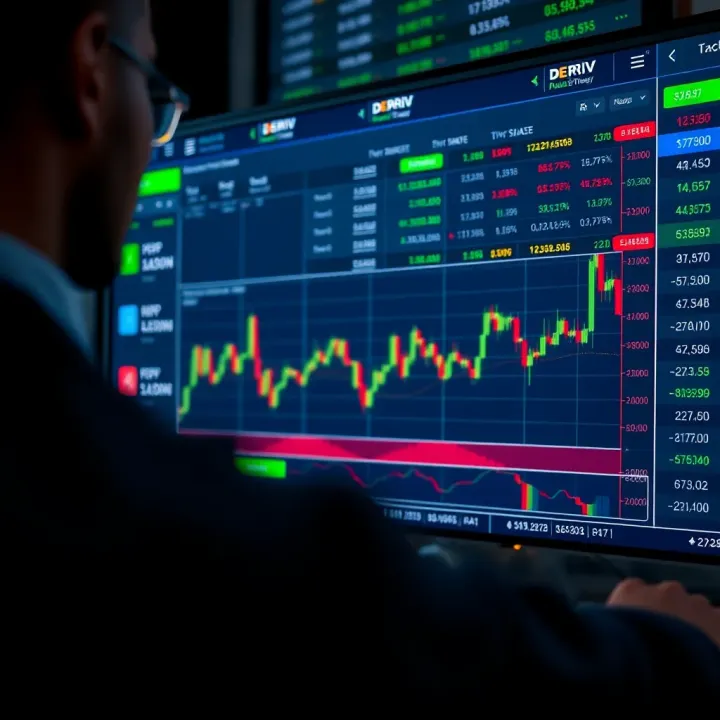
📈 Nigerian traders, discover how to boost your skills by combining TradingView's charts with Deriv's platform. Learn setup, integration, and strategy tips! 💹

📈 Discover how to combine TradingView's charts with Deriv's platform for smarter trading. Learn step-by-step tips tailored for Nigerian traders and beyond.
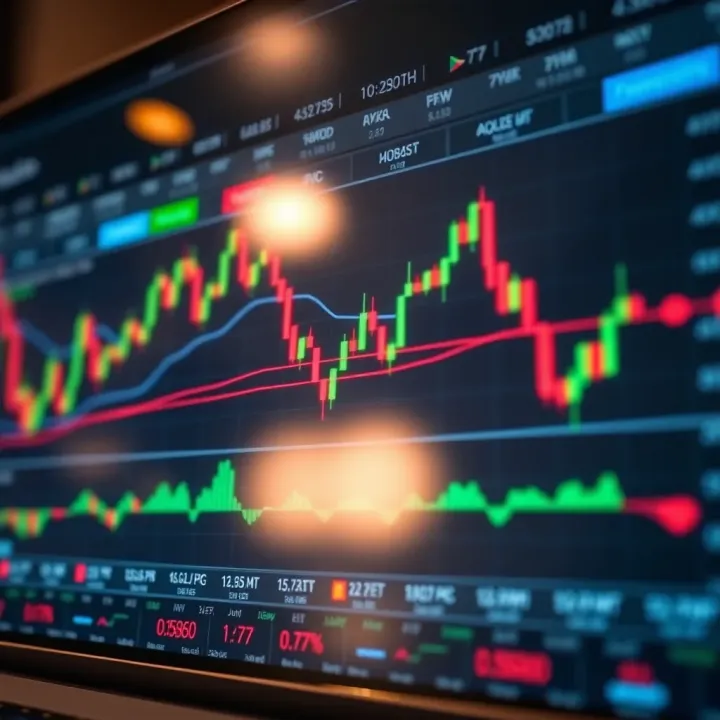
Explore how Nigerian traders can use TradingView’s advanced charts with Deriv to boost derivatives trading strategies 📊💼. Get setup tips & insights!
Based on 5 reviews