

Will the US Dollar Rise Again? Key Factors Explained
💵 Explore the factors shaping the US dollar's future, from inflation to global politics, and find out what it means for Nigerian investors and businesses.
Edited By
Sophie Turner
The Nigerian Naira has seen its ups and downs over the years, with recent times showing a particularly challenging phase. For traders, investors, and financial analysts keeping watch, understanding the currency’s future isn’t just about numbers—it’s about the factors behind those numbers. From government policies to global pressures, many forces tug at the Naira's value.
This article sets out to break down the major elements that influence Nigeria’s currency. We’ll talk about economic policies, market dynamics, and the external events shaping the Naira’s fate. We’ll also examine what the Central Bank of Nigeria and the government are doing to stabilize or boost the currency, and what options lie ahead.
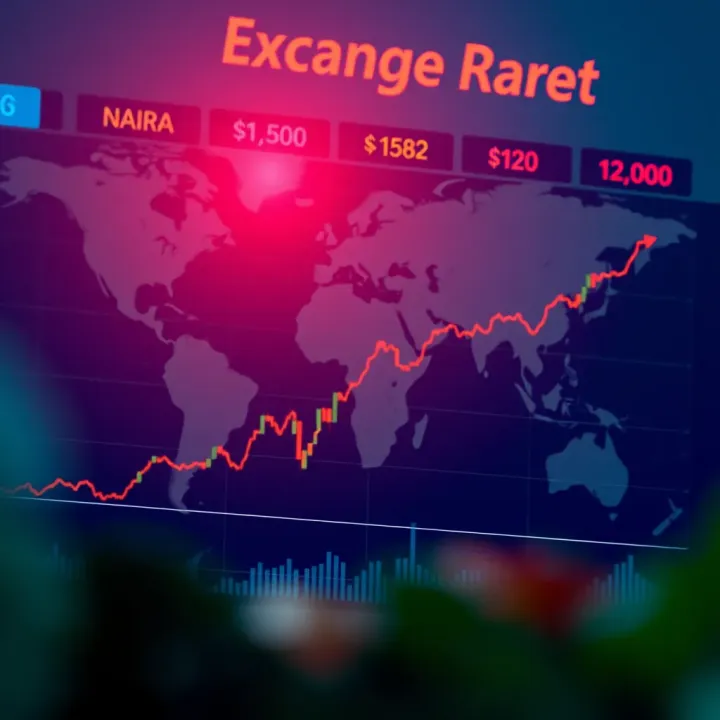
Getting a clear picture of the Naira’s prospects can help investors and traders make smarter decisions and prepare better for what’s next.
By the end, you’ll have a solid grip on the issues at play and a sense of what to watch for when it comes to Nigeria’s currency outlook.
Understanding the current state of the Naira and the broader Nigerian economy is a vital starting point for any discussion about the currency’s potential to rise again. This section lays the groundwork for grasping the pressures and opportunities that shape the Naira’s value. Knowing where the Naira stands now helps investors and traders make informed decisions, anticipate risks, and gauge Nigeria’s economic health at a glance. For instance, a sudden plunge or steady decline in the Naira often signals deeper economic issues, such as dwindling foreign reserves or rising inflation, which can affect everything from import costs to investment inflows.
The Naira has experienced several swings since its introduction in 1973, influenced by global oil prices, policies, and political events. Historically, it remained relatively stable during periods of strong oil revenues, especially in the early 2000s when Nigeria benefited from high crude prices. However, the period between 2014 and 2016 marked a turbulent phase where the Naira fell sharply due to the oil price crash. These fluctuations matter because they reveal how closely the currency ties to external shocks and domestic policy responses. If you’re analyzing currency prospects, these past patterns help in forecasting how similar events might play out now.
In the last few years, the Naira has faced ongoing depreciation pressures from multiple fronts. The Central Bank of Nigeria’s decisions to limit dollar availability through official channels, combined with growing import demands and weak forex reserves, have pushed the Naira down in unofficial markets. For example, the spread between the official rate and the black market rate has sometimes exceeded 30%, reflecting tension in supply and demand. Traders and investors should watch these trends closely as they often signal underlying economic stress and can affect pricing, foreign investment sentiment, and inflation rates.
Nigeria’s economic pulse can be felt through several key indicators including GDP growth, inflation rate, foreign reserves, and unemployment levels. As of the latest reports, the country’s GDP growth has been modest, hovering around 3-4%, but this doesn’t always capture the informal sector’s size, where most Nigerians earn a living. Inflation remains stubbornly high, often in double digits, eroding purchasing power and disrupting business planning. Foreign exchange reserves have fluctuated, sometimes dipping below the critical $30 billion mark, limiting the Central Bank’s ability to support the Naira.
Inflation in Nigeria eats away at the real value of the Naira, making imports more expensive and pushing up everyday costs. When inflation spikes, the Central Bank often raises interest rates to cool things down, but higher rates can stifle borrowing and slow growth. On the other hand, steady GDP growth without runaway inflation is a sign of a healthier economy, which can strengthen the Naira. However, Nigeria’s growth is often hampered by infrastructure bottlenecks and policy inconsistency. For example, periods of improved agricultural output and telecommunications growth have occasionally buffered the economy, but these gains struggle to offset losses in oil revenue.
Understanding these economic elements doesn’t just help investors; it gives traders, policymakers, and everyday Nigerians a clearer picture of the challenges and opportunities ahead for the Naira.
Understanding the reasons behind the Nigerian Naira's depreciation is essential for traders, investors, and analysts looking to navigate the currency market effectively. These factors reveal how economic vulnerabilities and market behaviors interplay, influencing the currency's value in both the short and long term. By breaking down the main contributors to the decline, we can better grasp the challenges shaping the Naira’s outlook.
Nigeria’s economy leans heavily on oil exports, so fluctuations in global oil prices directly affect the Naira’s strength. When oil prices drop sharply — as seen during the 2014 global oil crash or briefly during the COVID-19 pandemic in 2020 — Nigeria's revenue from oil shrinks, reducing the availability of foreign currency. This situation puts downward pressure on the Naira, as the demand for dollars outpaces supply.
For instance, when Brent crude dipped below $40 per barrel in 2020, Nigeria’s foreign reserves took a hit, fuelling fears of a currency devaluation. This volatility makes the Naira vulnerable to price shocks from events beyond Nigeria’s control, such as geopolitical tensions or shifts in global demand. Traders closely watch oil price trends because even a slight dip can signal potential currency weakness.
Foreign exchange reserves act as a buffer helping to stabilize the Naira during economic shocks. Since a large portion of these reserves comes from oil earnings, any drop in oil prices can quickly drain these reserves. When the Central Bank of Nigeria (CBN) faces dwindling reserves, its ability to intervene in the currency markets and support the Naira is limited.
This scenario happened in the mid-2010s when reserves fell below $30 billion, prompting the CBN to restrict dollar sales to preserve reserves. Reduced foreign reserves bring about limited foreign currency supply on the market, driving the Naira's depreciation further. For investors, shrinking reserves signal increased currency risk, affecting decisions on capital allocation.
Nigeria imports a significant portion of its consumer and industrial goods, creating strong dollar demand. Imported products like machinery, electronics, and refined petroleum require payment in foreign currency, which drains the country’s Naira reserves.
An example is Nigeria's reliance on importing wheat despite having agricultural potential. When local demand for imports grows — say ahead of festive seasons or construction booms — the Naira faces additional pressure as importers scramble for hard currency. This import-driven demand often outpaces foreign currency supply, pushing the Naira down.
Capital flight, where investors move money out of Nigeria to safer markets, creates significant strain on foreign exchange availability. Factors like political uncertainty or economic instability trigger such movements. When capital flight intensifies, the Naira weakens because there’s less foreign currency flowing into the system.
Conversely, remittances from Nigerians abroad represent a vital source of dollar inflows. They provide some cushion but can fluctuate based on economic conditions in host countries. For example, a dip in remittances during global downturns tightens dollar availability, indirectly depressing the Naira.
The CBN’s choices on interest rates impact both inflation and the Naira’s attractiveness to investors. Higher interest rates can lure foreign capital seeking better returns, supporting the currency. However, Nigeria’s inflation rates often erode these gains.
In mid-2023, when inflation soared above 20%, the CBN raised the Monetary Policy Rate to 18.5%, aiming to contain price hikes and shore up the Naira. But persistent inflation and mixed policy signals sometimes undermine investor confidence, limiting the effectiveness of rate changes.
Inflation reduces the purchasing power of the Naira and deters foreign investment. If inflation remains unchecked, the Naira loses ground because prices rise faster than wages and investments generate returns.
For example, during periods of double-digit inflation, importers face higher costs, which they pass on to consumers, feeding a vicious cycle. This cycle often forces the CBN to consider currency devaluation, further eroding confidence.

In sum, inflation and monetary policy act like a balancing act: the CBN must control inflation without stifling growth or triggering a currency slump. This delicate dynamic shapes both short-term market moves and long-term expectations.
Grasping these key factors—oil dependency, forex market pressures, and monetary policies—provides a solid foundation for understanding why the Naira has faced persistent weakness. For traders and investors, watching these elements closely offers clues on what might stabilize or further challenge the currency moving forward.
When looking at the future of the Naira, government and central bank actions play a pivotal role. These measures act like the brakes or accelerator for the currency, affecting its stability and value. Without these interventions, market forces alone might push the Naira deeper into trouble or, hopefully, help it recover. Understanding the specific tools they use helps traders, investors, and analysts predict what might come next.
Forex reserves are like the country’s piggy bank of foreign currencies, primarily US dollars, euros, and pounds. Nigeria’s Central Bank carefully manages these reserves to smooth out wild swings in the Naira’s exchange rate. For example, when demand for foreign currency surges, they can release dollars from reserves to meet that demand and stop the Naira from crashing fast. However, these reserves aren't unlimited, so their usage requires balancing short-term relief with long-term sustainability.
A practical benefit is seen when the Central Bank sells dollars during sharp devaluations, calming panic in the forex market. But if reserves drop too low, it could signal trouble ahead, making the Naira less attractive to investors.
Besides managing reserves, the Central Bank actively intervenes in the forex market by buying or selling foreign currency and setting exchange rate policies. For instance, they might impose limits on how much foreign currency banks can sell or direct priority sectors to get access to forex, aiming to control demand. These interventions can prevent speculative attacks that worsen depreciation.
However, such moves can also have downsides. Too much control might discourage investors or cause parallel markets to flourish, undercutting official rates. The key is striking a balance between letting the market operate freely and stepping in when things get out of hand.
The Central Bank changes interest rates to influence inflation and the Naira’s value. Raising rates usually attracts foreign investors seeking better returns on bonds or savings, which boosts demand for the Naira. Conversely, cutting rates can encourage borrowing and spending but might weaken the currency.
For example, in 2022, Nigeria increased rates to curb inflation, aiming to support the Naira. But this also raised borrowing costs, hitting businesses and consumers. Traders must watch these moves as signals of how the currency could perform.
Liquidity management involves controlling how much money is circulating in the economy. If the Central Bank floods the market with naira, inflation can spike, and the currency loses value. On the other hand, restricting liquidity can slow the economy but stabilize the currency.
Techniques include adjusting the cash reserve ratio or conducting open market operations to soak up excess money. For example, in times of heavy foreign outflows, tightening liquidity can help protect against rapid Naira depreciation.
Nigeria’s heavy reliance on oil revenues makes the Naira vulnerable to global oil price swings. The government’s diversification policies aim to grow sectors like agriculture, manufacturing, and technology. This reduces pressure on foreign exchange since the country earns dollars from other sources besides oil.
Successful diversification means more stable forex inflows, supporting the Naira’s value. For instance, promoting agribusiness exports can bring in steady foreign currency, cushioning against oil shocks.
To strengthen the Naira, Nigeria is also tweaking its trade and investment policies. Encouraging foreign direct investment (FDI) brings dollars into the economy, which supports the currency. At the same time, import restrictions on non-essential goods help reduce demand for foreign currency.
Practical policies include offering incentives to exporters, improving ease of doing business, and negotiating trade agreements that favor Nigerian products. All these steps can gradually build a more resilient economy where the Naira isn’t under constant strain.
Government and central bank measures are like the toolkit for keeping the Naira afloat. The balance and coordination of these policies dictate whether the currency can weather shocks or continue its slide.
Understanding these interventions gives investors and traders a clearer picture of what shapes the currency landscape in Nigeria today.
When talking about the Naira's future, it's impossible to ignore the impact of external factors. These aren't just abstract forces — they directly shape Nigeria's economic terrain, influencing everything from foreign exchange availability to investor confidence. Understanding these influences helps traders, investors, and financial analysts decode why the currency behaves the way it does. For example, a sudden drop in global oil prices can slash Nigeria’s export earnings, tightening foreign currency supply and putting pressure on the Naira.
Oil remains Nigeria’s bread and butter, making the oil market a huge player in the Naira’s strength. When crude prices rise, Nigeria earns more dollars from exports, which boosts forex reserves and supports the Naira. Conversely, falling oil prices mean less foreign exchange entering the economy, often triggering a Naira decline. For instance, when Brent crude fell sharply in early 2020, the Naira depreciated due to reduced export revenues.
Keeping an eye on OPEC decisions, global demand trends, and geopolitical events is crucial since these can cause big swings in oil prices almost overnight. For traders and financial analysts, understanding these oil market trends provides clues about possible Naira movements and helps anticipate market adjustments.
While oil dominates, looking beyond to other exports like cocoa, rubber, and cashew nuts adds nuance to the currency outlook. These commodities can provide additional foreign currency streams that soften the blow from oil price shocks. For example, Nigeria’s cocoa beans have seen rising demand, especially from Europe and Asia, which can help stabilize forex inflow.
Tracking global prices, harvest outputs, and trade agreements related to these commodities offers practical insights. It suggests a path for diversifying Nigeria’s export base, which in turn can strengthen the Naira in the long haul by reducing overdependence on oil. Investors who follow these trends closely might spot opportunities or risks that aren’t obvious from just watching the oil market.
The US dollar holds sway over many currencies worldwide, including the Naira. When the dollar strengthens against other currencies, it typically puts downward pressure on the Naira. This happens because Nigeria’s major imports and debts are dollar-denominated; a stronger dollar means it takes more Naira to buy the same amount of dollars.
Periods of dollar strength often coincide with tighter financial conditions globally — like higher US interest rates — causing capital to flow out of emerging markets such as Nigeria. Traders should watch the Federal Reserve’s policy signals and US economic data since these impact dollar movements directly.
Foreign direct investment (FDI) and portfolio inflows are lifelines for the Nigerian economy and the Naira. When foreign investors show confidence in Nigeria — perhaps due to better market reforms or economic growth — they bring in dollars that can support the currency.
However, political uncertainties, policy flip-flops, or economic instability can prompt quick capital withdrawals. For example, sudden restrictions on foreign exchange access or unclear investment policies can spook investors, causing them to pull out funds and weakening the Naira.
Monitoring announcements from global rating agencies, investment forums, and major institutional investor moves provides practical insight into how this dynamic can sway the Naira’s outlook.
The interplay between commodity markets and international finance is no small thing. Each external factor acts like a gear in the complex machinery that determines the Naira’s trajectory — missing one means losing sight of the bigger picture.
In summary: external influences such as global oil prices, alternative commodity trends, US dollar movements, and foreign investments are key ingredients in understanding where the Naira might head. For anyone invested in Nigeria’s financial markets, keeping tabs on these elements is more than just wise, it’s essential.
Understanding potential paths for the Naira is vital for traders, investors, and financial analysts. It offers foresight into how Nigeria’s currency might behave, helping in strategic decision-making whether in portfolio management, business operations, or policy recommendations. These scenarios can shape expectations around risks and opportunities, guiding practical actions like hedging strategies or investment timing.
Successful economic diversification plays a key role in stablizing the Naira. Relying less on oil reduces vulnerability to global price swings. Nigeria’s push into sectors like agriculture, technology, and manufacturing can create new foreign exchange streams. For example, growing exports of cocoa and tech services would bring in more dollars, easing pressure on the Naira. Policymakers aiming to nurture local industries with supportive regulations and infrastructure could slowly rebuild investor trust and stabilize currency demand.
Stable oil prices and improved reserves greatly influence currency strength. When oil prices hold steady or rise, government revenue and foreign reserves tend to improve, helping the Central Bank maintain exchange rate stability. For instance, a stable price above $70 per barrel can improve Nigeria's forex reserves significantly, giving the Central Bank more room to defend the Naira. Better reserves also enhance confidence among foreign investors and remittance inflows, providing a cushion against external shocks.
Persistent inflation and fiscal deficits remain major hurdles. High inflation erodes the Naira’s purchasing power, discouraging holding the currency long-term. Also, ongoing fiscal gaps mean the government relies heavily on borrowing or money creation, both of which can fuel inflation and weaken the currency further. Nigeria’s recent fiscal deficit of about 4-5% of GDP, combined with inflation rates hovering above 15%, reflects this challenge. Until fiscal discipline improves, the Naira may face downward pressure.
Uncertainty in policy implementation creates volatility around the Naira. Inconsistent application or reversal of monetary and fiscal policies can spook investors and traders. For example, sudden shifts in foreign exchange regulations or unclear communication from the Central Bank have led to confusing signals about currency stability. This uncertainty can cause speculative attacks or capital flight, making it harder for the Naira to gain sustained strength without clear, credible policy frameworks.
Clearly, the Naira’s future will hinge not just on external forces but also on how well Nigeria can navigate its internal economic and policy landscape. Traders and analysts need to monitor both global trends and domestic policy signals closely.
Understanding how the Naira's value fluctuates is more than just an economic discussion—it's something that strikes right at the heart of everyday life for millions of Nigerians. When the currency weakens or strengthens, it directly impacts purchasing power, business health, and access to foreign currency. For traders, investors, and financial analysts, grasping these movements provides a clearer picture of risks and opportunities in the market. But beyond the balance sheets, it affects everything from the price of bread to the cost of imported machinery.
Being aware of the Naira’s trends can help individuals and businesses make better financial decisions. For example, an importer might adjust order volumes or negotiate payment terms to manage costs amid currency swings. Likewise, investors might time their portfolio movements by watching how currency policies interact with economic events. Ultimately, the Naira’s movement ties deeply into daily life and long-term planning across Nigeria’s economic spectrum.
The Naira's exchange rate directly influences the cost of imported goods — and because Nigeria relies heavily on imports for items like electronics, machinery, and even some food products, this link is pivotal. When the Naira weakens, importers face higher costs in local currency terms, and these expenses usually trickle down to consumers. For example, if the price of imported rice rises due to currency depreciation, local markets will reflect this increase.
For Nigerians trying to budget monthly expenses, these fluctuations can mean the difference between making ends meet and falling short. Traders and financial analysts must keep an eye on import price shifts as a bellwether for inflationary pressures within the economy. Strategies like hedging foreign currency exposure or sourcing alternatives locally can sometimes mitigate these costs.
Inflation and the Naira’s value are like two sides of the same coin. When the currency loses value, imported goods become pricier, feeding into inflation by boosting overall price levels. Inflation then eats steadily into buying power, forcing many Nigerians to spend more for the same basket of goods.
This cycle is particularly noticeable in staples like fuel and food. For instance, a weaker Naira can increase the price of fuel, which cascades into higher transport costs and then higher prices for goods across the board. Understanding this connection helps investors predict inflation trends and anticipate how policy shifts could respond to tame price rises.
Businesses operating in Nigeria face what’s called "currency risk," meaning that the value of their revenue or costs in Naira can shift due to fluctuating exchange rates. For companies importing raw materials, a sudden devaluation could increase expenses overnight.
An example is a Nigerian manufacturer relying on imported spare parts who might see production costs spike because of Naira weakness. This unpredictability can strain profit margins and force companies to rethink pricing or seek local alternatives. Traders and analysts watching currency risks can evaluate company valuations more realistically, factoring these dynamics into investment decisions.
For foreign investors, currency stability is often a major consideration before committing capital. A volatile Naira adds a layer of risk, potentially reducing returns when converted back to their home currency.
Multinational companies evaluating projects in Nigeria will scrutinize not only the exchange rate trends but also government policies aimed at stabilizing the currency. If policies seem uncertain, capital inflows may slow down, impacting job creation and economic growth. Recognizing this helps market watchers gauge likely FDI flows and their broader economic impact.
Access to foreign currency remains a pressing issue for many Nigerians, especially businesses and individuals dependent on import payments or foreign exchange inflows. When the Naira is weak and reserves get tight, foreign currency may become scarce, forcing the Central Bank to ration dollars or impose strict controls.
This scarcity can delay payments for companies or reduce options for individuals trying to access money sent from abroad. For example, someone relying on remittances from family overseas might face difficulty converting funds at a fair rate, affecting household income.
Remittances are a lifeline for many Nigerian families, providing steady income to support schooling, health care, and daily essentials. The Naira’s strength plays a crucial role in determining the actual value received at home.
If the Naira declines, the same amount of dollars sent might convert into fewer Naira, reducing the recipient's purchasing power. Conversely, a stronger Naira means more local currency for the same dollars. It's a fine balance that affects millions and shapes domestic consumption patterns, which in turn feeds into economic performance.
In short, the Naira's movements aren’t just numbers on a chart — they ripple outward to influence the cost of living, business viability, investment inflows, and even family incomes. For Nigerians, keeping an eye on these dynamics is essential for navigating the uncertainties ahead.
💵 Explore the factors shaping the US dollar's future, from inflation to global politics, and find out what it means for Nigerian investors and businesses.

📈 Curious about when Bitcoin will rise again? Explore key factors like market trends, regulations, and investor moves shaping Bitcoin's future in Nigeria.

📈 Exploring if Bitcoin will rise again: market trends, regulations, tech shifts, and expert views offer a clear outlook on BTC’s future potential in Nigeria.

📈 Curious if Bitcoin will rise again? Explore BTC's history, market trends, regulations, and tech developments to see what the future might hold for investors in Nigeria.
Based on 9 reviews