
FP Markets Guide for Nigerian Traders
Discover FP Markets' forex & CFD trading for Nigerian investors 🇳🇬. Learn about accounts, platforms, regulation & how to fund your trading with ease 🏦.
Edited By
Thomas Spencer
Trading robots, also called automated trading systems or algorithmic traders, are computer programmes designed to buy and sell assets on financial markets without human intervention. They analyse market data in real time, executing trades based on predefined rules and algorithms. In Nigeria's growing investment landscape, these robots have gained attention among stock traders, forex dealers, and cryptocurrency enthusiasts.
At their core, trading robots rely on set instructions—often grounded in technical indicators like moving averages, relative strength index (RSI), or price momentum—to spot trading opportunities. For example, a robot might buy Nigerian equities on the Nigerian Exchange Group (NGX) when a stock’s 50-day moving average crosses above its 200-day moving average, indicating a buy signal.
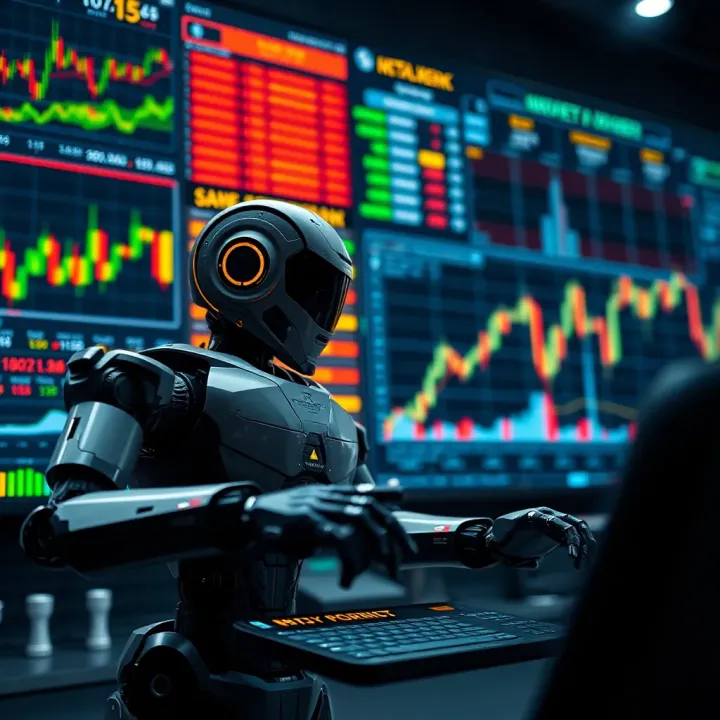
By automating these strategies, traders avoid emotional decisions and can operate 24/7, crucial for volatile markets like forex or crypto where significant moves happen while investors sleep. They also handle multiple assets simultaneously, something hard for individual traders juggling other responsibilities.
Automated trading reduces manual errors but is no magic bullet. Effective robots require regular tuning to Nigeria’s market conditions and robust risk management.
Nigerian investors must understand these systems don't guarantee profits. Factors such as market news, naira exchange rate fluctuations, and liquidity can impact results. Still, a well-programmed robot can improve execution speed and discipline, especially when used alongside human oversight.
Some popular platforms in Nigeria supporting trading robots include MetaTrader 4/5 for forex trading and broker APIs allowing custom bots. The rise of local fintech companies has also sparked interest in semi-automated tools combining algorithmic techniques with user input.
In sum, trading robots act as precise, tireless agents applying predefined strategies in Nigeria’s ₦-denominated financial markets. They simplify complex analysis and can enhance trading efficiency but require cautious deployment and ongoing monitoring to adapt to ever-changing market dynamics.
Grasping how trading robots function is essential for anyone keen to navigate the financial markets effectively. These automated systems can filter huge volumes of market data, execute trades instantly, and help limit human errors. Understanding their mechanisms equips traders and investors with the tools to harness technology without blindly relying on it.
A trading robot, often called an Expert Advisor or automated trading system, is software programmed to buy and sell assets automatically based on pre-set rules. It aims to remove human emotion from trading decisions, enabling swift action on market signals. For example, a robot monitoring the Nigerian Stock Exchange (NGX) could detect price movements faster than manual trading.
These robots operate principally across financial markets such as forex, stocks, commodities, and cryptocurrencies. In Nigeria, popular markets include NGX equities, exchange-traded funds (ETFs), and the forex pairings involving the naira, thanks to growing fintech platforms supporting automated trading.
Trading robots rely on algorithms — a sequence of calculations — and technical indicators like moving averages, relative strength index (RSI), or Bollinger Bands. These tools analyse price trends and volumes to decide when to enter or exit trades. For instance, a robot might trigger a buy order when the 50-day moving average crosses above the 200-day average, signalling upward momentum.
Artificial intelligence (AI) and machine learning (ML) have become increasingly vital. These technologies allow trading robots to learn from past market data, improve their strategies over time, and adapt to changing environments. In practice, an AI-powered robot can identify patterns not obvious to human traders, potentially boosting accuracy in volatile conditions seen in the Nigerian forex market.
Rule-based robots operate strictly on predefined criteria. They follow simple instructions such as buying when an indicator hits a certain level and selling when it drops. While straightforward and predictable, they may struggle during unusual market events.
Adaptive and predictive robots take this further. Using AI and ML techniques, they adjust their approach based on ongoing market feedback. For example, an adaptive robot trading Nigerian NGX stocks might increase or decrease position size based on recent volatility, aiming to protect capital during hectic ember months.
Understanding different types of trading robots helps investors choose systems that fit their risk tolerance and market involvement, especially in the complex Nigerian financial environment.
In summary, knowing how trading robots work — from their decision-making methods to categorising their types — prepares traders to use them effectively and mitigate potential risks.
Trading robots have reshaped how investors approach financial markets, offering distinct advantages while posing some challenges. Understanding both benefits and risks is vital for traders, especially Nigerian investors navigating local and global markets.
Human traders often fall victim to emotional decisions—panic selling during a market dip or greed-driven overtrading. Trading robots operate solely on data and pre-set rules, stripping away emotional influences. For instance, during volatile naira fluctuations, where fear can push hasty moves, a robot sticks to its strategy, potentially avoiding costly impulsive trades.
This objectivity helps maintain consistency. Instead of wavering between hope and fear, a robot executes trades uniformly. That steadiness can preserve capital and improve long-term returns, especially important in Nigeria’s sometimes unpredictable markets.
Speed matters in trading. Markets can shift in seconds, and missing a good entry or exit point reduces profits. Trading robots scan multiple markets or assets continuously, instantly executing trades. For example, when oil prices impact Nigerian equities, a robot can spot opportunities and act fast, while a human trader may lag.
Additionally, robots can handle complex technical indicators simultaneously—something hard for a person to monitor effectively. This 24/7 surveillance ensures no viable trade goes unnoticed, which is crucial given the global nature of currency and commodity markets influencing local stocks.
Traditionally, automated trading was for wealthy or institutional clients. Today, many affordable platforms offer bots tailored for Nigerian retail investors. With modest capital, individuals in Lagos or Kano can deploy robots through local brokers integrated with popular fintech services.
This access levels the playing field somewhat, allowing everyday investors to tap into algorithmic trading advantages without needing advanced technical knowhow. Especially during ember months when market activity spikes, these robots help manage increased trade flow effectively.
No system is perfect. Robots rely on software and internet connectivity, both vulnerable to glitches. A sudden power outage or unstable internet common in parts of Nigeria can disrupt operations, causing missed trades or unintended exposure.
Moreover, bugs or coding errors may cause unexpected behaviour, sometimes resulting in losses. For example, a robot might keep opening positions without limiting risk during a faulty session.
Most robots base decisions on historical price patterns and indicators. While past performance gives clues, markets occasionally behave unpredictably—for instance, during political upheavals or unexpected CBN policy changes affecting naira value.
Relying heavily on old data can mislead robots, causing poor trade choices when new market dynamics differ significantly from the past.
Some trading robots are overly fine-tuned to past conditions—a process called over-optimisation—making them perform well in backtests but poorly live. They might react strongly to minor fluctuations, generating false trade signals.
Such false positives can drain capital through unnecessary trades, especially if the robot lacks strict stop-loss protocols. Nigerian investors should be cautious and avoid blindly trusting impressive backtested results without real-world validation.
While trading robots offer speed and emotion-free execution, they are not foolproof. Balancing their benefits against technical and market risks is essential for smart investment decisions.
In summary, trading robots bring practical tools for Nigerian investors to manage trades effectively but require careful selection and oversight to avoid pitfalls common in volatile or underdeveloped market environments.
Trading robots have gained traction worldwide, but their application in Nigeria comes with unique challenges and opportunities. Nigerian investors face distinct market conditions, such as high naira volatility and infrastructural inconsistencies, which affect trading strategies and robot efficiency. Understanding how trading robots can adapt to these factors is key to maximising their benefits in the local financial scene.
The naira often experiences significant fluctuations due to economic policies, foreign exchange pressures, and geopolitical events. Trading robots operating in this environment need algorithms tailored to handle sudden swings rather than relying solely on stable-market assumptions common in developed economies. For example, a robot optimised for the Nigerian Stock Exchange (NGX) must account for sharp shifts in shares of companies affected by import restrictions or subsidy changes.
Besides currency volatility, unreliable internet or power supply can disrupt automated trading. Some Nigerian investors use solar-backed systems or mobile data backups to ensure continuous robot operation. Importantly, trading algorithms that include stop-loss orders and risk management features guard portfolios against unexpected market shocks common during Nigeria’s ember months.
Trading robots must work seamlessly with platforms frequently used by Nigerian traders, such as GTI Securities, Afrinvest, and Bamboo. These platforms provide APIs that some robot developers use to enable automated trades and real-time data analysis. A compatible robot eases order execution directly within the app, eliminating manual input errors and delays.
Local fintech solutions like Paystack and Flutterwave have improved payment integration, and some trading services now accept fund deposits via these channels. Consequently, robots that synchronise with platforms supporting familiar Nigerian payment methods offer smoother user experiences, especially for retail investors not comfortable with complex banking procedures.
The Securities and Exchange Commission (SEC) Nigeria regulates trading activities and licensed firms to protect investors from fraud and malpractice. Trading robots fall within this framework if they engage in securities trading or interface with broker services.
SEC’s guidelines demand transparency in trading systems and proper disclosure of risks to users. This means investors should look out for robots and brokers that comply with SEC rules — ensuring their operations are legitimate and audited. SEC’s involvement reassures traders that their investments have a regulatory safety net, even when automation complicates oversight.
Arguably, the most critical step before using any trading robot is proper due diligence. Many Nigerian traders have fallen victim to scams involving fake brokers or unverified robots promising unrealistic returns.
Confirm that a broker is registered with SEC Nigeria or recognised exchanges like NGX. Also, examine a robot’s track record, user reviews, and public performance metrics rather than trusting flashy marketing. Avoid platforms that lack clear ownership or operate without official registration.
Taking time to vet your trading robot and broker can shield you from losing your hard-earned naira. Reliable automation isn’t just about technology but also about trust and regulatory backing.
By considering these factors carefully, Nigerian investors can confidently use trading robots tailored for local conditions while safeguarding their investments through regulated channels and verified tools.
Choosing the right trading robot and managing it well is essential for maximising profits and limiting losses in volatile markets like Nigeria’s. A trading robot is not a set-and-forget tool; it requires careful selection based on specific features and ongoing supervision to adapt to ever-changing market conditions. Poor choices or neglect can lead to significant financial setbacks.
Transparency in strategy and performance history is a cornerstone for trusting any trading robot. Since these bots make automated decisions, it's vital to understand the rules or algorithms guiding their trades. Verified performance data over diverse market conditions—especially including turbulent periods—helps you assess how reliable the robot has been. For example, if a bot claims high returns but lacks evidence or only shows results from bull markets, that’s a warning sign. Traders should request detailed backtesting reports or live trade histories from vendors.
Customisation options and control over risk settings empower traders to tailor the robot to their risk appetite and investment goals. A robot with adjustable stop-loss thresholds, trade sizes, and asset preferences better aligns with your strategy. For instance, during high naira volatility, you might want tighter risk controls to limit exposure. Bots allowing you to choose between aggressive and conservative modes provide flexibility, which is crucial for adjusting to sudden market moves or personal risk tolerance changes.
Setting stop losses and trade limits protects capital by automatically halting trades that exceed acceptable losses or limits. Without these, a robot might keep trading through unfavourable trends, magnifying losses. For example, setting a stop loss of 2% per trade ensures that your total loss doesn’t wreck your portfolio if the market swings badly. Also, trade limits prevent overtrading, which can happen if the algorithm reacts to minor market noise repeatedly.
Regular monitoring and adjustments based on market changes should be part of your routine with trading robots. Markets, particularly emerging ones like Nigeria’s, evolve quickly due to geopolitical events, monetary policy shifts, or economic changes. What worked well last month may not deliver the same results next month. Checking performance weekly or monthly helps identify when to tweak settings, pause trading, or even swap out robots. For example, during ember months when market activity spikes, you might want to adjust your robot’s parameters to handle volatility better.
Successful trading with robots combines smart selection with active management. The best bots perform well only when regularly assessed against current market realities.
In short, don’t just pick a robot because of flashy ads or supposed past wins. Look for clear performance evidence, control settings that fit your style, and commit time to monitoring its activity. That way, your automated trading stands a better chance of delivering steady growth without unexpected shocks.
Trading robots have evolved far beyond basic programmed responses, and staying aware of upcoming trends is key for any trader aiming to keep an edge. These developments influence how trading robots perform, the accessibility of tools, and the sophistication of strategies—impacting daily trading decisions and long-term investment outcomes.
Advances in artificial intelligence have fundamentally changed automated trading. Instead of relying solely on fixed rule-based systems, modern robots increasingly use machine learning algorithms that adapt to shifting market patterns. For example, AI-powered bots can analyse vast amounts of news, social media sentiment, and economic data to adjust their strategies dynamically. This ability reduces the risk of relying on outdated historical trends, making trading decisions more responsive to real-time events.
Nigerian traders benefit particularly as these AI improvements can better handle local market volatility and unexpected policy changes. Banks and fintech startups employing AI models demonstrate how smart automation can improve trade timing and asset selection, even in unpredictable conditions.
Mobile integration and cloud-based platforms have also changed the game. Trading robots no longer require clunky desktop software or fixed servers; now, traders can access their automated systems directly from smartphones or tablets. Cloud services offer greater processing power and uptime, allowing robots to scan multiple markets and execute trades around the clock without interruptions caused by power outages or device failures common in parts of Nigeria.
The flexibility of mobile-connected trading also means users can tweak settings, monitor performance, and receive alerts wherever they are—whether stuck in Lagos traffic or attending to a mama put business in the market. This instant access enhances control and responsiveness.
Increased access to global markets is one of the most tangible benefits of these technological shifts. Automated trading platforms now connect Nigerian investors with US equities, forex markets, and commodities without the traditional barriers of geography or high fees. This opens new opportunities for portfolio diversification and exploiting arbitrage.
Moreover, the wider availability of these tools encourages more Nigerians to try trading, including younger and retail investors familiar with mobile tech. However, this also means there's a growing need for improved investor education.
Potential shifts in trading habits and investor education are underway. With automated systems handling the technical aspects, Nigerian traders may focus more on strategy and risk management. Educational platforms and fintech companies increasingly offer courses and tutorials tailored to local market realities, helping users understand how to set effective parameters and when to intervene manually.
Overall, this evolving landscape demands investors keep up-to-date not just with market moves, but with technological advances that influence how automated trading works in practice. As Nigerian markets integrate with global systems, a more informed and tech-savvy investor base will be key to maximising benefits and minimising pitfalls.
Keeping abreast of emerging AI and cloud technologies will define the next era of automated trading, especially for forward-thinking Nigerian investors ready to tap global opportunities.
AI-powered adaptive trading robots improve real-time decision-making.
Mobile and cloud platforms ensure uninterrupted, anywhere access to trading systems.
Global market access expands diversification and earning avenues.
Enhanced investor education aligns trading habits with technological progress.
This mix of technology and education offers promising pathways for automated trading's growth and impact within Nigeria’s financial landscape.
Discover FP Markets' forex & CFD trading for Nigerian investors 🇳🇬. Learn about accounts, platforms, regulation & how to fund your trading with ease 🏦.

Discover how Nigerian women are leading Instagram trading with smart strategies, unique products, and growing businesses that shape our market 📲💼🇳🇬
Ready to trade forex in Nigeria? 💹 This guide explains key forex terms, risks, and practical steps to help you start trading confidently in ₦ and grow your funds wisely.
📈 Discover top trading sites Nigerians trust! Learn how to trade safely, compare features, and navigate regulations to boost your ₦investment journey confidently. 💹
Based on 10 reviews