
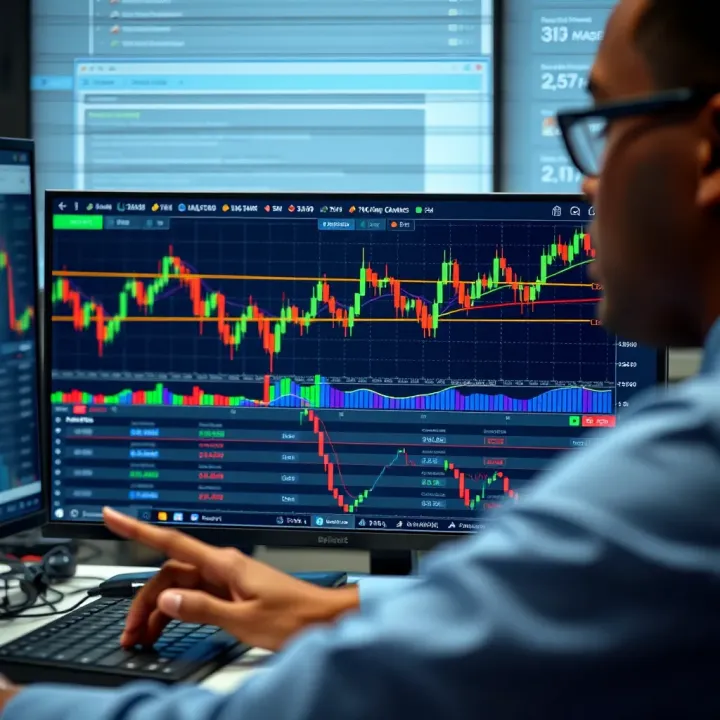
How Nigerian Traders Can Use TradingView Effectively
📈 Explore TradingView with this practical guide tailored for Nigerian traders! Learn charting, indicators, and community tips to boost your trading skills. 🇳🇬
Edited By
Daniel Prescott
Synthetic trading involves creating financial positions that replicate an asset's behaviour without directly owning it. On TradingView, synthetic positions let traders simulate buying or selling instruments by using combinations of other assets or derivatives. This strategy suits Nigerian traders looking to broaden their trading approaches beyond standard buys or sells of stocks, forex, or cryptocurrencies.
Understanding synthetic trading helps you manage risk and capital more efficiently, especially considering Nigeria’s market challenges like naira volatility and limited access to certain instruments. For example, instead of purchasing shares on the Nigerian Stock Exchange (NGX), you might use derivatives or correlated assets to mimic the same exposure but with less upfront capital.
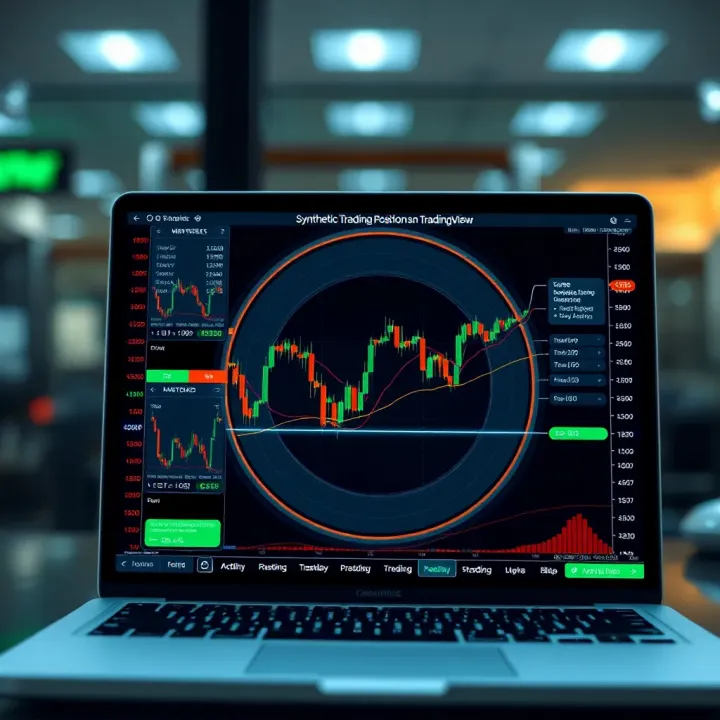
To create synthetic positions on TradingView, you combine charting tools with available indicators and scripts. The platform does not host direct trading but provides powerful analysis features enabling you to map out synthetic setups. You can use features like pine scripts or spread charts to visualise relationships between assets — say, pairing oil futures with currency pairs to reflect Nigeria's oil-dependent economy.
Synthetic trading is not about avoiding ownership; it’s about engineering exposures to manage capital, hedge risks, or speculate efficiently. Knowing when and how to apply these synthetic positions can make a big difference for Nigerian traders navigating uncertain markets.
Key reasons Nigerian traders use synthetic trading include:
Capital efficiency: Entering positions resembling expensive assets with modest funds.
Risk management: Hedging exposures in volatile markets through opposite synthetic legs.
Access: Gaining exposure to markets or instruments that might be restricted or costly locally.
Practical use in Nigeria could mean simulating a position on the NGX banking sector by combining futures and currency trades or hedging against naira depreciation by synthetic pairs involving USD and commodities.
This guide will show you how synthetic trading fits into your TradingView workflow and how you can apply it practically in Nigeria’s unique financial landscape.
Synthetic trading involves creating positions that replicate the behaviour of real financial assets using combinations of other instruments instead of owning the asset themselves. This approach matters because it offers traders flexibility and exposure to markets they might otherwise find hard to access directly. For Nigerian traders, understanding synthetic trading can be a way to stretch their trading capital and tap into global opportunities without the need for full ownership or large upfront costs.
Synthetic assets work by using different financial tools such as options, futures, or contracts for difference (CFDs) to imitate the price movements of an underlying asset. For example, instead of buying an actual share in a company listed on the Nigerian Stock Exchange, a trader might combine call and put options to simulate owning the stock. This lets traders benefit from price changes without the administrative burden or capital tied to buying the physical shares.
This concept is practical because it enables exposure to assets that may otherwise be out of reach due to high costs, regulatory restrictions, or limited market availability. If a Nigerian trader wants to speculate on US stocks but cannot directly buy them because of foreign exchange controls or other barriers, synthetic positions can fill that gap.
There are several standard synthetic positions frequently used across global markets. One common example is the synthetic long position, which replicates owning an asset through the right combination of options (buying calls and selling puts). Another type is the synthetic short, created by the opposite setup, allowing traders to profit from expected price declines.
These synthetic positions are especially relevant on platforms like TradingView, where traders chart multiple instruments and can combine sensors or alerts to simulate these complex trades. For Nigerian users, this means they can create tailored synthetic setups to fit their market view without direct exposure.
Synthetic positions offer several advantages. They reduce capital outlay since traders don’t need to buy the actual asset, which might cost hundreds of thousands of naira. Instead, they pay premiums or margin on derivatives, which is often cheaper.
Besides cost efficiency, synthetic trading lets users access markets or strategies unavailable for direct trading in Nigeria. For example, synthetic Forex pairs or commodity positions can be constructed without having to physically own those currencies or goods. This increases market reach and diversification.
Despite the perks, synthetic trading carries complexities and risks that traders should never overlook. Setting up synthetic positions involves understanding derivative instruments deeply—a challenge for many beginners. Without proper knowledge, traders may miscalculate risk or margin requirements.
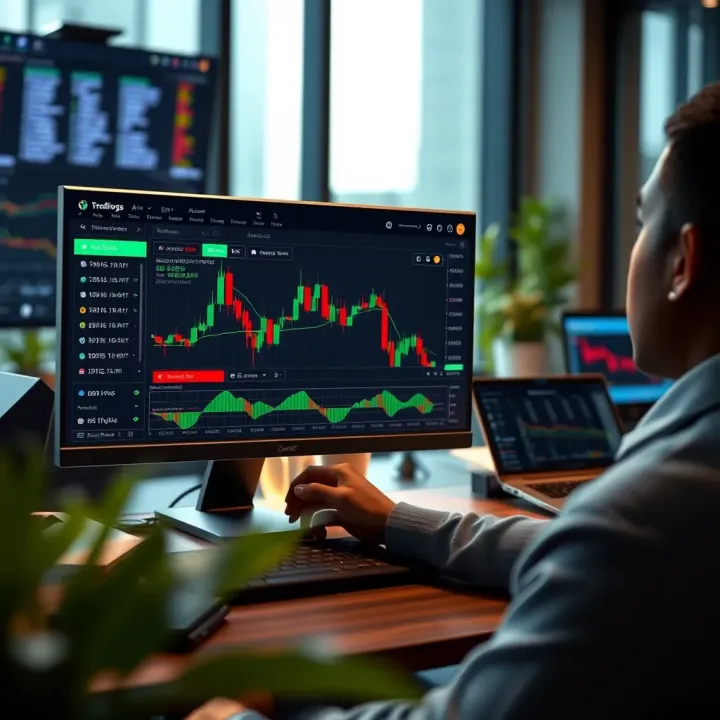
Moreover, synthetic trades may behave differently with added factors like time decay in options or differences in liquidity. Nigerian traders must also consider local realities such as naira exchange rate fluctuations and platform reliability, which can influence execution and returns.
Synthetic trading is a practical tool if you prepare well, especially on platforms like TradingView. It matches market ambition with cost-saving methods but demands proper understanding and cautious management.
In summary, grasping synthetic trading matters because it broadens possibilities for Nigerian traders, offering exposure and flexibility beyond direct asset ownership. However, success depends on mastering its principles, tools, and risks in the local market context.
TradingView stands out as a versatile platform for traders interested in synthetic trading, especially Nigerian traders keen on building complex strategies without direct access to all markets. It provides tools that allow the creation, testing, and monitoring of synthetic positions by combining multiple instruments and customising alerts. Understanding TradingView’s functionalities helps traders craft tailored approaches suited to local market realities like naira exchange volatility and Nigerian-market trading hours.
One essential aspect is TradingView’s charting tools and custom indicators. The platform offers a broad selection of charts across various asset classes, which Nigerian traders can customise to track the exact parameters relevant to their synthetic positions. For instance, you can overlay multiple asset charts to monitor price correlations visually—helpful when creating a synthetic pair mimicking a foreign asset. Moreover, the platform’s library of indicators can be customised or combined to signal entry or exit points more clearly, reducing guesswork in volatile markets.
Equally important is the script editor and Pine Script integration. Pine Script is TradingView’s proprietary coding language that lets users write custom indicators and trading strategies. This is a game-changer because Nigerian traders can design scripts that trigger specific trading conditions based on combined indicators or price behaviours unique to their synthetic setups. For example, a trader might script an alert that considers both FX rate swings and local stock price changes before signalling a trade. This flexibility brings sophisticated automation into reach without needing advanced programming skills.
TradingView supports synthetic trading not only through charts and custom coding but also by using alerts and strategies. Alerts are programmable notifications that keep you posted about market movements or strategy conditions without staring at your screen all day. In practice, Nigerian traders might set alerts on combined price levels of two or more assets that form their synthetic position. This feature is crucial for timely action in fast-moving markets, where delays can cost significantly.
Beyond alerts, the platform excels at combining multiple instruments in a single view or strategy. TradingView allows linking prices of different assets—like a Nigerian blue-chip stock and a foreign currency pair—into one composite indicator or chart. This ability makes it easier to visualise and analyze how your synthetic position behaves relative to the individual components. Many beginners underestimate the power of this feature, but it enables a realistic replication of market moves not directly available on local exchanges.
Mastering TradingView’s tools means Nigerian traders can effectively build and manage synthetic trades tailored to their needs, tapping global insights while navigating local market constraints.
Creating synthetic positions on TradingView gives Nigerian traders flexibility to simulate market exposures they cannot access directly. Instead of buying a physical stock or commodity, you craft a combination of instruments—like options or CFDs—to mimic those assets' price moves. This approach suits traders who want to diversify or hedge efficiently without risking high capital upfront.
Selecting instruments for synthetic pairs involves choosing the right underlying assets that together replicate the desired financial exposure. For example, if you're aiming to mimic a naira-dollar forex position, you might combine Nigerian Stock Exchange (NGX) equities sensitive to exchange rates with futures contracts listed on international platforms. Picking instruments that move in correlated or inverse directions helps build accurate synthetic pairs, giving you more control over risk profiles and cost.
Setting up alerts and backtesting is key to managing your synthetic positions effectively on TradingView. Alerts notify you right away when your synthetic pair's value hits crucial levels, letting you respond quickly to market movements. Backtesting your strategy using historical data helps in understanding how your synthetic trade would have performed, especially under different market conditions. This step reduces guesswork and improves confidence, particularly when local market volatility spikes or during the ember months when naira fluctuation tends to be high.
Interpreting composite charts is essential once you establish your synthetic position. TradingView allows you to overlay multiple instruments into one view, effectively showing your synthetic asset's combined price action. For instance, plotting NGX equities alongside forex pairs or commodity prices helps catch shifts affecting that synthetic trade. This consolidated insight aids in making smarter decisions than monitoring each instrument separately.
Adjusting positions dynamically means you tweak your synthetic setup by shifting weights or swapping instruments according to market changes. Nigerian markets often experience sudden shifts—whether through naira depreciation, policy changes, or external shocks—that affect linked assets unevenly. Being able to rebalance your synthetic trade, say by increasing exposure to a more stable instrument or exiting a struggling one, keeps risk in check and captures new opportunities. TradingView’s flexible environment lets you make these changes swiftly with minimal friction.
Successfully creating and managing synthetic positions on TradingView demands a hands-on approach. But with careful selection, vigilant monitoring, and smart adjustments, Nigerian traders can expand their market reach and finesse their strategies amidst local complexities.
Overall, mastering synthetic trading on TradingView enhances your ability to navigate markets both within Nigeria and beyond, offering a practical edge in today's fast-moving financial world.
Synthetic trading offers practical advantages for Nigerian traders but also comes with specific risks. Understanding both sides is crucial to making informed decisions when using TradingView to build synthetic positions.
Synthetic trading allows Nigerian traders to gain exposure to markets or assets that might be difficult or costly to access directly. For example, a trader might use a combination of forex pairs on TradingView to mimic exposure to commodities like oil or gold without buying physical contracts. This is especially useful due to Nigeria's local market restrictions and the fluctuating naira exchange rate, which can limit direct investment abroad.
This broader exposure means traders can diversify their portfolios beyond local stocks and currencies. By using synthetic positions made from correlated instruments, traders can tap into global trends and hedge against domestic risks. It opens doors to sectors like technology or foreign indices, even without direct access.
Buying some assets directly can be expensive because of trading fees, taxes, or large capital requirements. Synthetic trading on TradingView often only requires managing positions through contracts or alerts on multiple instruments, which keeps upfront capital low. For instance, rather than purchasing a whole share of a foreign tech company, a trader can construct a synthetic position using related assets locally available.
Moreover, synthetic trades can reduce transaction costs. Since positions are created by combining existing instruments (like currency pairs or indices), there is typically less need to pay high brokerage fees or wait for foreign exchange clearance. This cost efficiency appeals especially to retail traders in Nigeria, where brokerage charges and foreign exchange controls can otherwise erode profits.
Synthetic trading often involves combining two or more instruments to create a position that mimics another asset. This complexity can make it tricky for traders who are not fully familiar with the relationships between instruments. For instance, a synthetic position mimicking oil prices by trading USD/NGN and USD/CAD currency pairs demands understanding how those interact.
If traders miscalculate the correlation or fail to monitor these intertwined trades properly, they risk unexpected losses. Nigerian traders must invest time in learning these mechanics and testing strategies on TradingView before committing real funds.
Nigeria’s financial markets sometimes face liquidity challenges, especially outside major assets like NSE-listed stocks or major forex pairs. Synthetic positions rely on smooth price movements of the underlying instruments; low liquidity can cause larger spreads or slippage.
During periods of high volatility, especially in ember months when volatility spikes or during global shocks affecting naira’s value, synthetic setups might behave unpredictably. Traders should be cautious using synthetic positions in such conditions, as sudden price jumps can magnify losses unexpectedly.
Synthetic trading offers Nigerian traders smart ways to access broader markets and save costs, but it demands a solid grasp of complex instruments and close attention to market behaviour.
Balancing these benefits and risks will help traders use TradingView’s synthetic trading features more confidently and effectively in the Nigerian context.
Being familiar with practical tips can make or break your success when trading synthetic positions on TradingView here in Nigeria. Local market conditions mean you can't just copy what traders elsewhere do and expect the same results. By adjusting your approach to fit Nigeria's unique environment, you improve your chances of managing risk and spotting profitable setups.
Accounting for naira exchange fluctuations is crucial. The naira remains volatile against major currencies like the US dollar. If your synthetic assets involve international instruments or forex pairs, sudden swings in naira value can dramatically affect your returns. For example, if you create a synthetic long position on an asset priced in dollars, a naira depreciation might inflate gains when converted back. Conversely, unexpected appreciation could turn expected profits into disappointments. Regularly monitoring exchange rates and factoring exchange risk into your position sizing helps protect your capital.
Impact of Nigerian market hours also demands attention. Nigerian financial markets operate mainly from 9:30 am to 2:30 pm WAT, shorter than many global markets. You must align your TradingView alerts and strategies to these hours for optimal responsiveness. Besides, Nigerian market liquidity often tapers off quickly outside peak hours, increasing slippage and price gaps which can affect synthetic trade accuracy. Adjust your monitoring schedule to be active mainly during these hours, and avoid relying on synthetic indicators that don’t reflect local market timing.
Customising alerts for Nigerian exchanges can keep you ahead. TradingView allows you to tailor notifications based on specific price levels or indicator signals. For Nigerian traders, this means setting alerts around NSE listed stocks’ opening and closing prices or around currency rates relevant to naira trades. This personalisation avoids missing critical moves during market hours. Imagine you want to track Dangote Cement’s stock between ₦230 and ₦240 — setting bespoke alerts will help you act fast without continuous screen checking.
Using community scripts and insights is a smart way to boost your synthetic trading edge. The TradingView community shares many scripts created by Nigerian traders focusing on local market patterns and events, such as scripts tuned for embers months volatility or naira stability phases. Leveraging these localised scripts adds practical layers to your technical analysis. Plus, engaging with other Nigerian traders’ ideas builds context that generic global scripts can’t provide.
Customising your approach with local market facts and tools on TradingView isn’t optional; it’s a necessity if you want consistent results in Nigeria’s trading environment.
In summary, understanding how naira fluctuations and market hours influence your synthetic positions, while fine-tuning TradingView tools for Nigerian specifics, will put you ahead of many traders who treat the Nigerian market as just another global playground.
📈 Explore TradingView with this practical guide tailored for Nigerian traders! Learn charting, indicators, and community tips to boost your trading skills. 🇳🇬
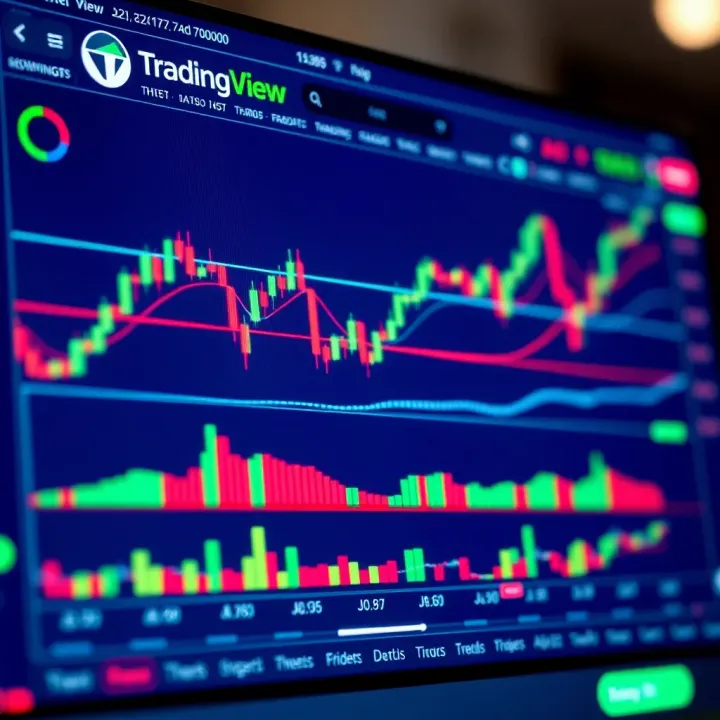
📊 Explore TradingView's features tailored for Nigerian traders! Learn setup tips, custom tools, broker integration & community insights to boost your trades.
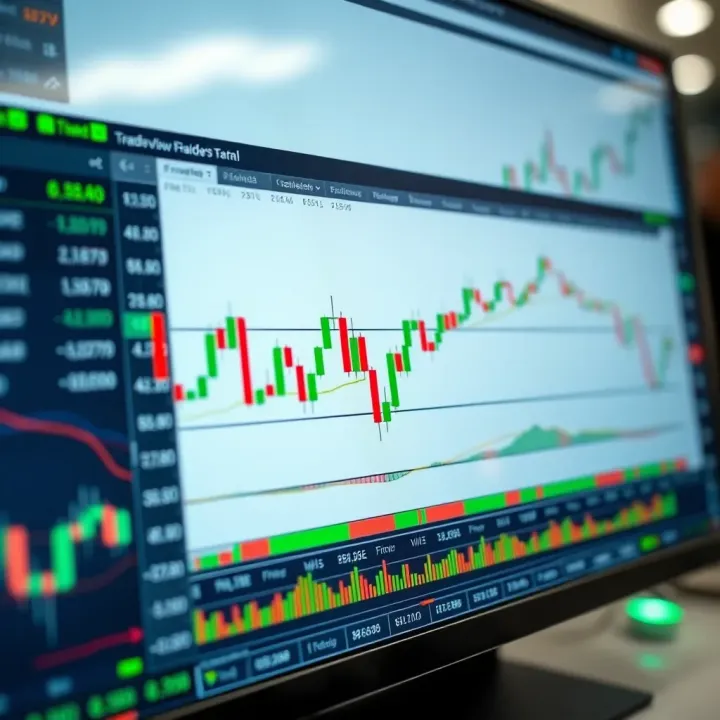
📈 Master TradingView charts with our practical guide for Nigerian traders. Learn to set up charts, use technical indicators, and spot market trends for smarter trades.

Discover how meta trading platforms give Nigerian traders easy access to global markets, key tools, and practical tips to start trading safely in ₦ today 📈🌍
Based on 11 reviews