
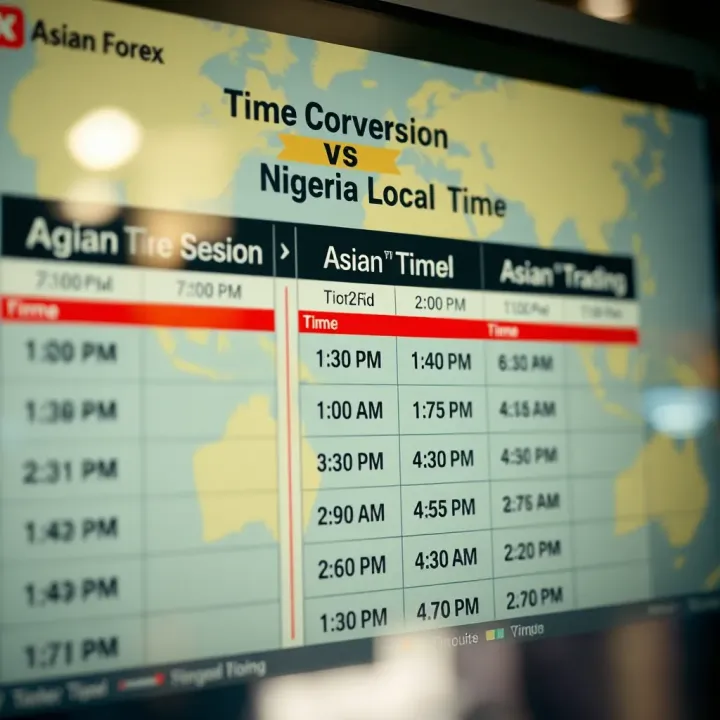
Asian Forex Trading Hours Explained for Nigeria
📈 Learn how Nigeria’s time aligns with the Asian forex session, explore key trading strategies, currency behaviour, and top tips for success in FX markets.
Edited By
Michael Burns
The Asian forex trading session is a key period in the global currency market, running roughly from 12 am to 9 am West Africa Time (WAT). For Nigerian traders and investors, understanding this session is crucial because it directly affects market liquidity, volatility, and trading opportunities.
Unlike the more hectic European and US sessions, the Asian session often brings steadier price movements, driven by activity in financial centres like Tokyo, Hong Kong, Singapore, and Sydney. These centres play a significant role in shaping currency dynamics, especially for pairs involving the Japanese yen (JPY), Australian dollar (AUD), and Singapore dollar (SGD).
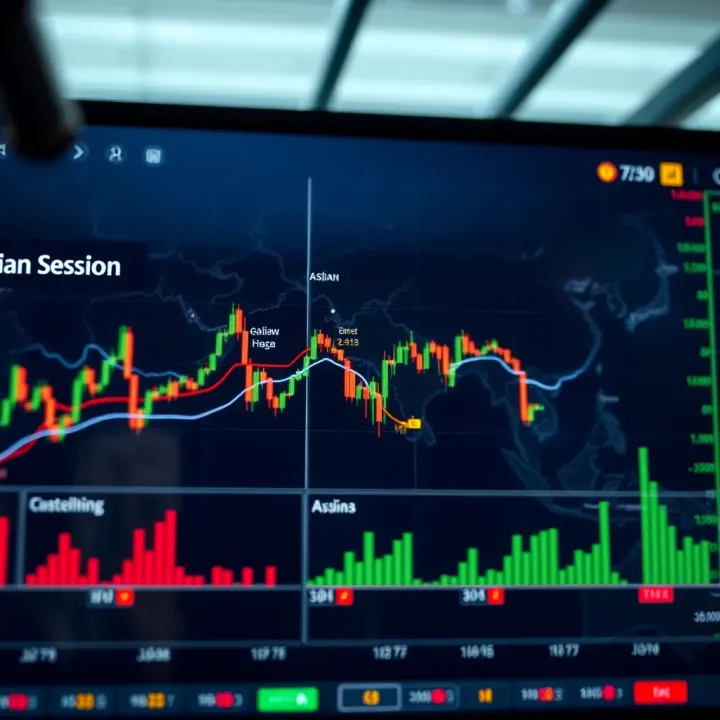
Nigerian traders should note that the Asian session overlaps with Nigeria’s early morning hours, making it accessible for those who prefer trading before market close in Lagos or Abuja.
The session's liquidity tends to be lower compared to the London or New York sessions, but this can result in predictable trends and less erratic swings. For example, during periods of economic data releases from Japan or Australia in this window, currency pairs such as USD/JPY and AUD/USD often see notable moves. Nigerian forex participants who track these events closely can benefit by adapting their strategies.
Timing: 12 am to 9 am WAT. This aligns with the working hours of major Asian financial hubs.
Market Focus: Strong influence on Asian currencies, but with lower volume for European and American pairs.
Volatility: Generally moderate but spikes during important economic announcements.
Liquidity: Lower than European and US sessions, yet sufficient for executing trades at competitive spreads.
For Nigerian traders relying on platforms like MT4 or brokers linked to global liquidity providers, leveraging the Asian session means planning trades around these timeframes. It also involves recognising that news from Asian economy indicators can provide valuable insights, especially when Nigerian banks and fintech platforms integrate real-time forex data.
In short, grasping the specific timing and traits of the Asian forex session allows Nigerian market participants to fine-tune their approaches, avoid unnecessary risk, and open positions with clearer expectations on price behaviour.
Understanding the Asian trading session is vital for Nigerian traders who want to optimise their activity in the global forex market. This session sets the tone for daily forex dynamics, as it kicks off the trading day in Asia, influencing price movements before European and American markets start. Knowing its specifics helps traders identify the best hours for liquidity, manage volatility, and pick suitable currency pairs that align with this trading window.
The Asian forex trading session typically runs from 12:00 am to 9:00 am Nigerian local time (West Africa Time, WAT). This corresponds roughly with 8:00 am to 5:00 pm Tokyo time and 9:00 am to 6:00 pm Singapore time, where some of Asia’s busiest financial centres operate. For Nigerian traders, this overnight period demands careful time management, especially if trading alongside their daytime jobs or other commitments.
Compared to other major trading sessions, the Asian session comes first, preceding the London and New York hours. While the London session operates roughly from 8:00 am to 5:00 pm WAT and New York from 1:00 pm to 10:00 pm WAT, the Asian session tends to have lower overall liquidity, though certain currency pairs burst into action here. Recognising this difference allows Nigerian traders to adjust their strategies—while volatility peaks during London hours, the Asian session offers distinct patterns that can be exploited profitably.
Tokyo, Hong Kong, and Singapore serve as the powerhouses within the Asian trading session. Tokyo’s market dominates in the morning hours, especially in trading Japanese yen (JPY) pairs, while Singapore and Hong Kong follow closely behind as major hubs for commodities and regional currencies like the Singapore dollar (SGD) and the Hong Kong dollar (HKD). Nigerian traders focusing on these hours can gain an edge by tracking news and economic activities from these centres, which often set trends that ripple through subsequent sessions.
Asian central banks also play significant roles during this window. Institutions such as the Bank of Japan and the Monetary Authority of Singapore frequently issue policy updates and economic data releases within these hours. For instance, interest rate announcements or trade balance figures can cause sudden price swings. Nigerian investors who follow these releases closely can avoid unexpected losses and better time their entries or exits. Understanding these scheduled events improves risk management, which is crucial given the occasional lower liquidity during this session.
Traders in Nigeria who master the timing, market centres, and economic releases of the Asian session position themselves to take advantage of early market moves before the European and US sessions begin.
Asian session converts to 12:00 am – 9:00 am WAT, demanding night-time trading preparation.
Tokyo, Hong Kong, and Singapore markets lead the session's activity, influencing regional currencies.
Asian central banks' announcements during this period significantly affect price behaviours.
Compared to London and New York sessions, liquidity is lower but specific pairs show distinct patterns.
This overview sets the foundation. Understanding these elements lets Nigerian traders prepare adequately and adopt strategies that suit the Asian session’s pace and movements.
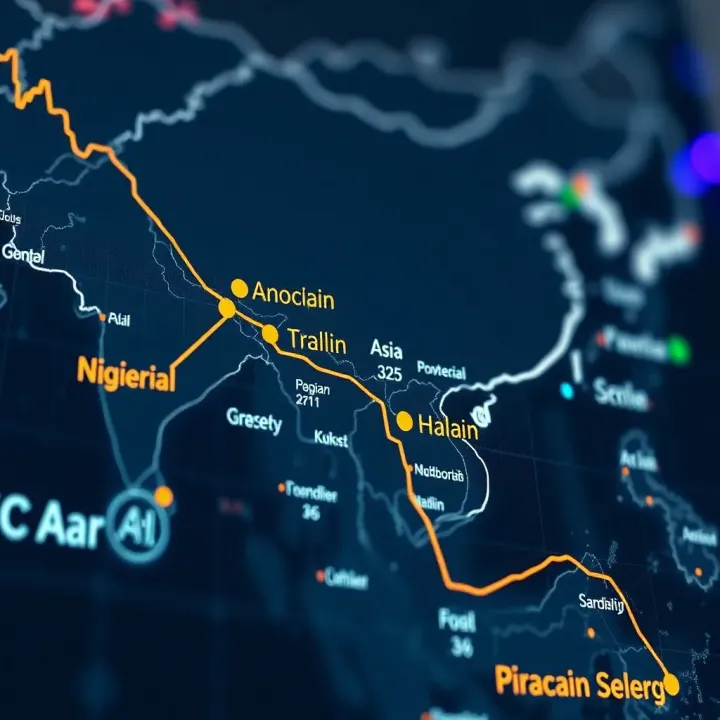
Understanding the Asian forex market session's characteristics offers Nigerian traders valuable clues on market behaviour—key for making informed decisions. This session runs through Tokyo, Hong Kong, and Singapore markets, bringing unique liquidity and volatility patterns influenced by these financial hubs. Recognising these helps Nigerian investors align their trading activity to fit the market rhythm.
Liquidity during the Asian session is generally lower compared to the London and New York sessions. Trading volumes peak around Tokyo market open and slightly drop towards the afternoon. For Nigerian traders, this means wide spreads and less price movement outside peak hours, so timing trades carefully can avoid costly slips. For instance, the Japanese yen (JPY) pairs see more activity early in the session given Tokyo's market dominance.
Currency pairs linked to the Asian region—namely JPY, AUD (Australian dollar), and NZD (New Zealand dollar)—experience heavier trading volumes during these hours. For example, the AUD/JPY or NZD/JPY pairs often see significant bids or offers. Nigerian traders focusing on these pairs can capitalise on the session's steadier liquidity and the risk-off or risk-on sentiment driven by Asia-Pacific economic releases.
Volatility in the Asian session tends to be milder than in London or New York sessions. This makes it suitable for traders who prefer range-bound or conservative approaches rather than aggressive breakout strategies. However, volatility can spike with major announcements from Asian economies, like Bank of Japan policy statements or China's trade data, making bursts of price movement possible.
Price behaviour often shows consolidation with occasional breakouts. The market typically moves sideways as liquidity is more fragmented, especially compared to the European session’s flow. Nigerian traders keen on breakout trading should watch closely near key support or resistance levels formed during this session. Breakouts often occur around Tokyo’s market close as traders reposition ahead of the London open.
For Nigerian investors, knowing that the Asian session favours range trading but still offers breakout opportunities around key events or market transitions can guide strategy choices effectively. Adapting to this session’s character reduces risk and improves timing.
By understanding these liquidity and volatility traits, Nigerian traders can better match their trading style to suit the Asian hours, improving chances of consistent success.
The Asian forex session offers specific opportunities and challenges for Nigerian traders and investors. Understanding these aspects helps market participants plan their trading activities more effectively, especially since most of Nigeria’s forex market activity centres around European and American sessions. The Asian session, running when many Nigerians are asleep or working, presents liquidity and volatility characteristics that can complement trading strategies.
Pairs involving the Japanese yen (JPY), Australian dollar (AUD), New Zealand dollar (NZD), and their crosses tend to show increased activity during the Asian hours. Tokyo, Sydney, and Wellington financial centres drive these currencies, and movements often stem from economic data releases or market sentiments in the Asia-Pacific region.
For Nigerian traders, focusing on pairs like USD/JPY, AUD/USD, and NZD/USD during the Asian session can make sense. These pairs usually experience tighter spreads and more predictable price action compared to others, which may be relatively quiet until later sessions. Additionally, crosses such as AUD/JPY and NZD/JPY can offer good range-bound or breakout trading opportunities, factoring in the session’s unique volatility profile.
To capitalise on these movements, Nigerian traders can monitor Asia-Pacific economic calendars closely. For instance, announcements from the Bank of Japan, Reserve Bank of Australia, or New Zealand’s economic indicators commonly trigger price shifts. Aligning trading hours with such releases can help traders catch timely moves rather than react to price action well after the fact.
Range trading suits the Asian session more often because liquidity tends to be lower and price movements are less drastic than during European or US sessions. Prices usually consolidate within tighter bands overnight in Nigerian time, offering traders opportunities to buy low and sell high within predictable ranges. However, traders should keep an eye on breakout points—when prices decisively move out of these ranges—as breakthroughs can trigger strong moves.
Breakout trading requires more caution during the Asian hours. Because volumes are thinner, breakouts may yield false signals or retracements soon after. Therefore, Nigerian traders should wait for confirmation before entering breakout trades and set conservative stop losses to limit exposure. For example, trading AUD/JPY breakout after a confirmed BOJ announcement requires careful timing and risk management.
Risk management is critical due to the session’s lower liquidity and potentially unexpected volatility spikes from economic releases or geopolitical events. Nigerian traders should adopt tighter stop-loss points and smaller position sizes during Asian hours to cushion against sudden swings. Using limit orders or alerts can help avoid emotional trades in thin markets.
Trading the Asian session from Nigeria means balancing less liquid market conditions with the benefit of strategic moves on Asia-Pacific currencies. Practical risk controls, clear focus on session-driven pairs, and alignment with economic calendars improve trading outcomes.
In summary, Nigerian forex traders can benefit from the Asian session by focusing on the appropriate currency pairs and adapting strategies to fit the session’s liquidity and volatility. This approach helps diversify trading hours and reduces overexposure to the busier London and New York sessions.
Trading the Asian forex session from Nigeria presents some clear practical challenges and benefits that every trader should understand. While the Asian session opens windows for opportunities beyond the usual London and New York hours, Nigerian traders must navigate obstacles like internet reliability, timing differences, regulatory frameworks, and broker choices to trade effectively.
Internet connectivity and trading platform choices play a major role for Nigerian traders eyeing the Asian session. Consistent, high-speed internet is critical because trading platforms depend on real-time data for executing orders and spotting price moves. In many parts of Nigeria, especially outside Lagos or Abuja, network speed can fluctuate or drop, raising slippage risks during sudden price spikes typical in forex.
Choosing the right trading platform matters too. Popular platforms like MetaTrader 4 and 5, cTrader, or proprietary broker apps offer access to Asian forex liquidity. But traders should also ensure their platform supports mobile usage and has efficient order execution, as many Nigerians rely on mobile data. Platforms integrated with local payment gateways such as Paystack or Flutterwave help with quick deposit and withdrawal, reducing downtime.
Timing challenges due to time zone differences also affect Nigerian traders targeting the Asian session. The Asian session generally runs from 12 am to 9 am Nigeria Time (WAT), overlapping with Nigerian late-night and early morning hours. This means active trade management might require staying up late or waking early, sometimes leading to fatigue.
Furthermore, economic releases and central bank announcements from Tokyo or Singapore often come at odd Nigerian hours, demanding alertness to avoid missing key volatility triggers. Some traders set alerts or automate trades to handle the timing mismatch, blending technology with practical lifestyle management.
Selecting reliable brokers with access to Asian session liquidity is vital. Many brokers based in Nigeria or internationally offer access to major forex sessions, but liquidity quality can vary. Brokers authorised by reputable bodies such as the Nigerian Securities and Exchange Commission (SEC) or internationally recognised ones tend to provide tighter spreads and quicker executions during Asian hours.
Nigerian traders must look out for brokers providing transparent fee structures and those that do not route trades through re-quotes or delays. For instance, high-volume pairs like USD/JPY or AUD/JPY require brokers with strong ties to Asian liquidity pools to ensure fair pricing and sufficient market depth.
Understanding forex regulations affecting Nigerian traders is equally important. The SEC oversees forex trading within Nigeria, enforcing compliance to protect traders from scams and fraud. Unlike informal markets often plagued with counterfeit brokers, SEC regulation demands brokers meet capital adequacy and operational standards.
Traders should confirm their broker’s registration status and understand the limits of regulatory protection—some offshore brokers popular among Nigerians might not fall under SEC oversight. This knowledge helps avoid losses from unregulated entities.
Nigerian forex traders eager to tap into the Asian session should prioritise dependable technology, mindful timing, trusted brokers, and clear regulatory understanding to navigate this market segment confidently.
By addressing these practical concerns, Nigerian participants can engage the Asian forex session more confidently, turning challenges into opportunities within the global trading ecosystem.
The conclusion and recommendations section wraps up the key insights about the Asian forex trading session, tailored for Nigerian traders and investors. This part ties together the earlier discussions on timing, market behaviour, and practical challenges, emphasising how Nigerians can strategically approach this less familiar but valuable trading period. Offering clear takeaways and actionable advice ensures readers leave with a solid grasp of what to expect and how to maximise the session's opportunities efficiently.
The Asian session runs roughly between 12:00 am and 9:00 am Nigerian local time, coinciding mainly with Tokyo, Hong Kong, and Singapore markets. This timing is favourable for Nigerian traders willing to engage in early hours or night trading, as it opens a window outside the active London and New York sessions. Liquidity during this period is generally lower than European and American hours, leading to quieter markets and narrower spreads, especially for currency pairs involving the Japanese yen (JPY), Australian dollar (AUD), and New Zealand dollar (NZD).
However, lower liquidity also means less volatility in many pairs, which can limit fast gains but offer steadier trading environments suitable for range-bound strategies. Conversely, when economic releases from Asian central banks or major corporate news emerge, sudden price swings may occur, risking stop losses if not managed well. Nigerian traders must understand that volatility patterns are different here; the Asian session is more about gradual moves and opportunistic trades rather than wild price surges common in London or New York sessions.
Nigerian traders should consider adapting their trading schedules or automating trades to capture the Asian session’s specific characteristics. Using trading platforms with strong connectivity and low latency, such as MetaTrader or proprietary platforms by brokers serving Nigerian clients, will reduce order execution delays during off-peak hours. It is also advisable to focus on currency pairs actively traded during Asian hours, like USD/JPY, AUD/USD, or NZD/JPY, which typically show meaningful movements aligned with Asian market events.
Risk management matters more here because of the session’s unique liquidity profile. Employing tighter stop-loss orders and limiting trade sizes can prevent avoidable losses during volatility spikes. Nigerian traders should stay updated on Asian economic calendars, checking announcements from the Bank of Japan or Reserve Bank of Australia that could influence price directions. Lastly, choosing reputable brokers regulated in Nigeria or abroad with dependable access to Asian liquidity pools will improve trade transparency and execution quality.
Staying informed and tailoring strategies for the Asian session can help Nigerian traders navigate its quieter but opportunity-rich environment with more confidence and better control over risks.
📈 Learn how Nigeria’s time aligns with the Asian forex session, explore key trading strategies, currency behaviour, and top tips for success in FX markets.
📈 Learn how the Asian trading session times match Nigeria’s clock and get key tips for Nigerian traders to stay ahead in global markets.
Learn effective ways to reduce risks in forex trading 📉, navigate naira fluctuations, protect your capital ₦, and trade smart in Nigeria's volatile market 🌍.
📈 Learn to trade forex online confidently! Discover practical tips, smart strategies, and the right platforms to start trading ₦ successfully in Nigeria today.
Based on 10 reviews